Tranexamic Acid vs Vitamin C: Which is Better For Pigmentation?

Juna Xu is a freelance writer and journalist with over 11 years of experience covering beauty, fashion, lifestyle, interiors and health. Her work has appeared in publications including Adore Beauty, Body+Soul, Mamamia, News.com.au, Who, marie claire and ELLE Australia. Alongside running her own e-commerce interiors business, Juna has a not-so-secret obsession with skincare (especially K-beauty, which she proudly admits is her ultimate addiction).
Tranexamic acid and vitamin C play complementary roles in treating pigmentation rather than one being universally better, so combining them often delivers stronger results depending on your spot type. With guidance from dermatologist Dr Victoria Harris, this piece explains how each ingredient works, when to choose one over the other, and safe layering plus SPF basics.
Top Insights From This Guide
- Use tranexamic acid for melasma to slow pigment signalling pathways.
- Choose vitamin C daily for early pigmentation and antioxidant protection under SPF.
- Layer both for post-acne marks if your skin tolerates the combination.
- Wear sunscreen every day and introduce one active at a time for at least a month.
Post-acne marks, sun spots, stubborn melasma… ugh. Pigmentation really is the worst.
And if you’ve ever tried treating it, you’ll know it’s not exactly straightforward. Sure, you could spend thousands on in-clinic lasers, but a more accessible option is reaching for topical skincare ingredients, namely, vitamin C and tranexamic acid.
However, then comes the tricky part: figuring out which one to use, what actually works, whether you can use them together, and if you even need both.
So, to help clear things up, we spoke to dermatologist Dr Victoria Harris to break it all down for you.
First, what actually causes pigmentation?
“Picture an octopus sitting on the bottom of the ocean,” explains Dr Harris. “The ocean is our skin, and the octopus is the cell that makes our pigment, melanocyte.”
These ‘octopuses’ (aka melanocytes) send out little arms to transfer pigment into surrounding skin cells.
“I think it’s a really cool fact that we actually all have the same number of melanocytes,” she adds. “The difference is how busy or efficient these melanocytes are.”
So, what makes them go into overdrive?
“You’ve probably already guessed that the sun is a key player,” she says. “Just a single exposure to UVA increases the density and activity of our melanocytes.”
Yep, surprise surprise, more sun does create more pigment.
“So in the simplest terms, the main things that determine our pigment are genetics and sun exposure.”
How does tranexamic acid work for pigmentation?
Tranexamic acid is all about slowing pigment production down.
“Think of your pigment production like a freeway,” Dr Harris explains. “You’re blocking some of the motorways that feed onto the freeway.”
So, you’re producing less pigment in the first place.
But (yes, there’s a but)... it’s not a one-step fix.
“There are so many different motorways involved in the pigment freeway,” she says. “Just because you block one doesn’t mean you’ve completely switched it off.”
And this is exactly why combination treatments tend to work best.
How does vitamin C work for pigmentation?
If tranexamic acid slows things down, vitamin C is your multitasker.
“Vitamin C or ascorbic acid is a workhorse,” Dr Harris says. “It has a few different beneficial effects on the skin.”
For starters, it helps interrupt pigment production. But it’s also working preventatively.
“If I was to go in the sun and get burnt, I’d essentially damage my skin and produce a bunch of reactive oxygen species,” she explains. “Ascorbic acid can neutralise or dampen down that destruction.”
So, it’s helping to fade pigmentation and prevent it from worsening, which is why Dr Harris uses it daily: “I wear vitamin C serum every morning under my sunscreen as an extra protection for my skin.”
Tranexamic acid vs vitamin C: What’s the difference?
OK, instead of thinking of them as competitors, it’s best to think of them as a team.
Pigment production involves multiple pathways (think of it like lots of different “roads” feeding into that freeway). These two ingredients target different parts of that process.
- Tranexamic acid: slows down pigment signalling pathways.
- Vitamin C: reduces pigment production and protects against damage.
“By using both, you’re blocking different feeder roads into the pigment pathway,” Dr Harris explains.
So, you’re ultimately reaping better results when used together.
@kellybellyy02 Aee you team vitamin C or tranexamic acid? 🤔🌟 #koreanskincare #kbeauty #kbeautyskincare #vitaminc #vitamincserum #darkspot #darkspots #darkspottreatment #asianskincare #koreanserum #koreanskincareproducts #koreanskincareproduct #hyperpigmentationtreatment #hyperpigmentation #tranexamicacid ♬ original sound - kellybellyy02
Which one is more effective?
Well, it really depends on your skin and the type of pigmentation you’re dealing with.
However, here’s a general guideline:
- Melasma: Tranexamic acid is often a go-to.
- General dullness + early pigmentation: Vitamin C is a great starting point.
- Post-acne marks: A combination approach usually works best.
And MOST importantly: If you’re not wearing SPF daily or using adequate sun protection like a good ol’ hat, you’re basically undoing all your progress.
Dr Harris notes that by the time patients see her, they often need a mix of treatments, not just one hero ingredient.
“You need to figure out the cause of your pigmentation and ideally see a dermatologist to come up with a plan on the best combination of creams that will safely help,” she adds.
“If you can’t afford to see a doctor, then go slowly. Start with sunscreen and protection, and slowly add in one at a time to see what works and make sure you’re not causing more irritation or worsening your pigmentation.”
Can you use tranexamic acid and vitamin C together?
Yes, and it’s actually encouraged, as long as your skin responds well to the combination.
Dr Harris personally uses the cult-favourite SkinCeuticals C E Ferulic in the morning under SPF, noting that vitamin C can be irritating in high strengths, so it’s best to start slow and build up. (And hot tip: “Make sure the cap is on tight after every use, and if it changes colour to a more brown then it's probably not working anymore.”)
Tranexamic acid, on the other hand, is typically well tolerated and can be used either morning or night after you’ve cleansed your face, depending on the formula.
Final Verdict:
When it comes to tranexamic acid vs vitamin C, neither is “better” because they simply play different roles in treating pigmentation.
If you’re new to both, keep your routine simple.
Start with sunscreen (always non-negotiable). Then choose one ingredient and use it consistently for at least a month to make sure your skin responds well, and that you actually enjoy using it.
From there, you can build things up or layer in the other.
Here are some great products to get you started.
Shop Best Vitamin C Skincare Picks:
SkinCeuticals C E Ferulic Vitamin C Serum.
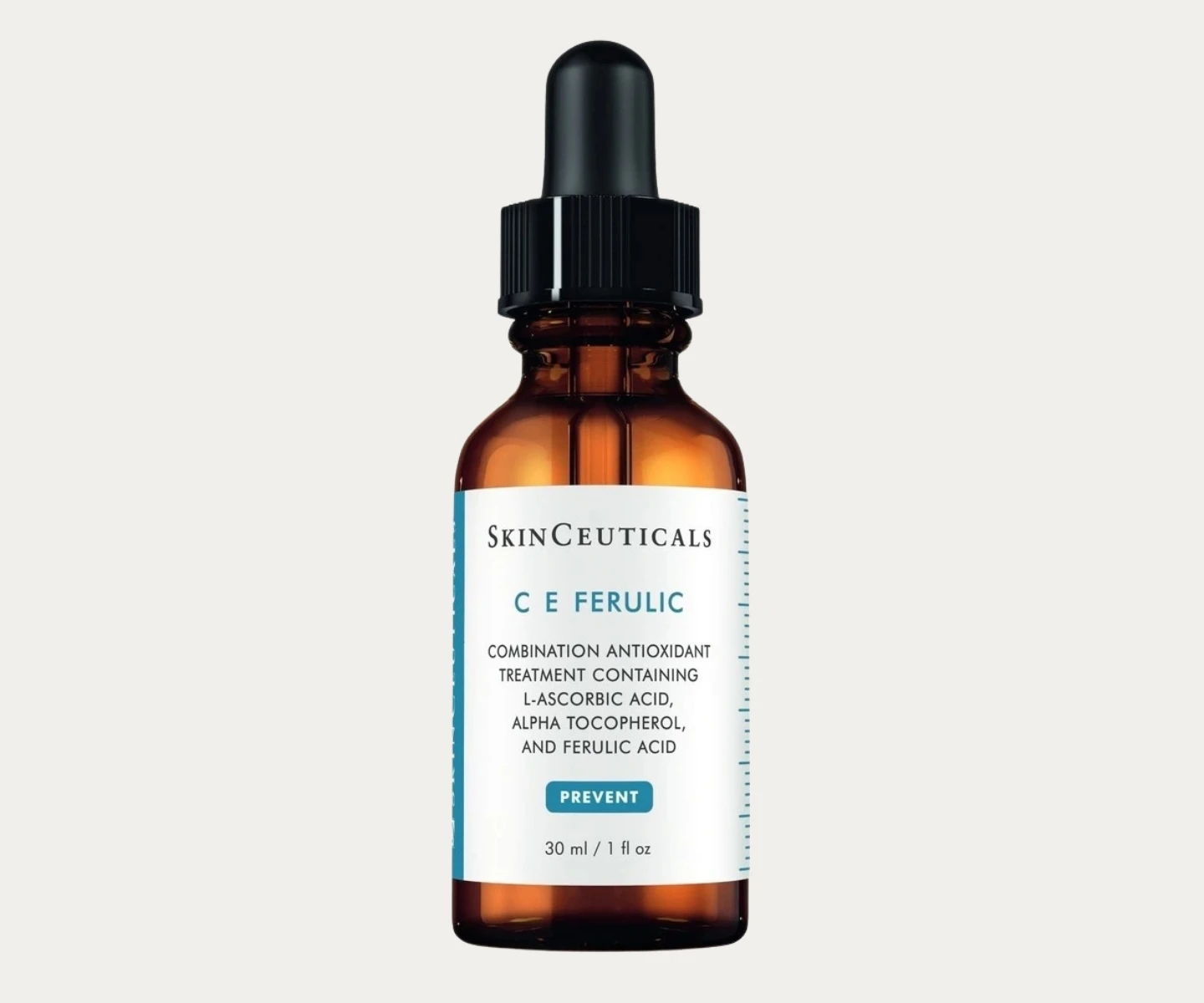
Probably the most popular antioxidant serum on the market that brightens, firms and protects against environmental damage. If dermatologists even swear by this, you know it’s worth the hype (and price tag).
Medik8 C-Tetra Lipid Vitamin C Antioxidant Serum.
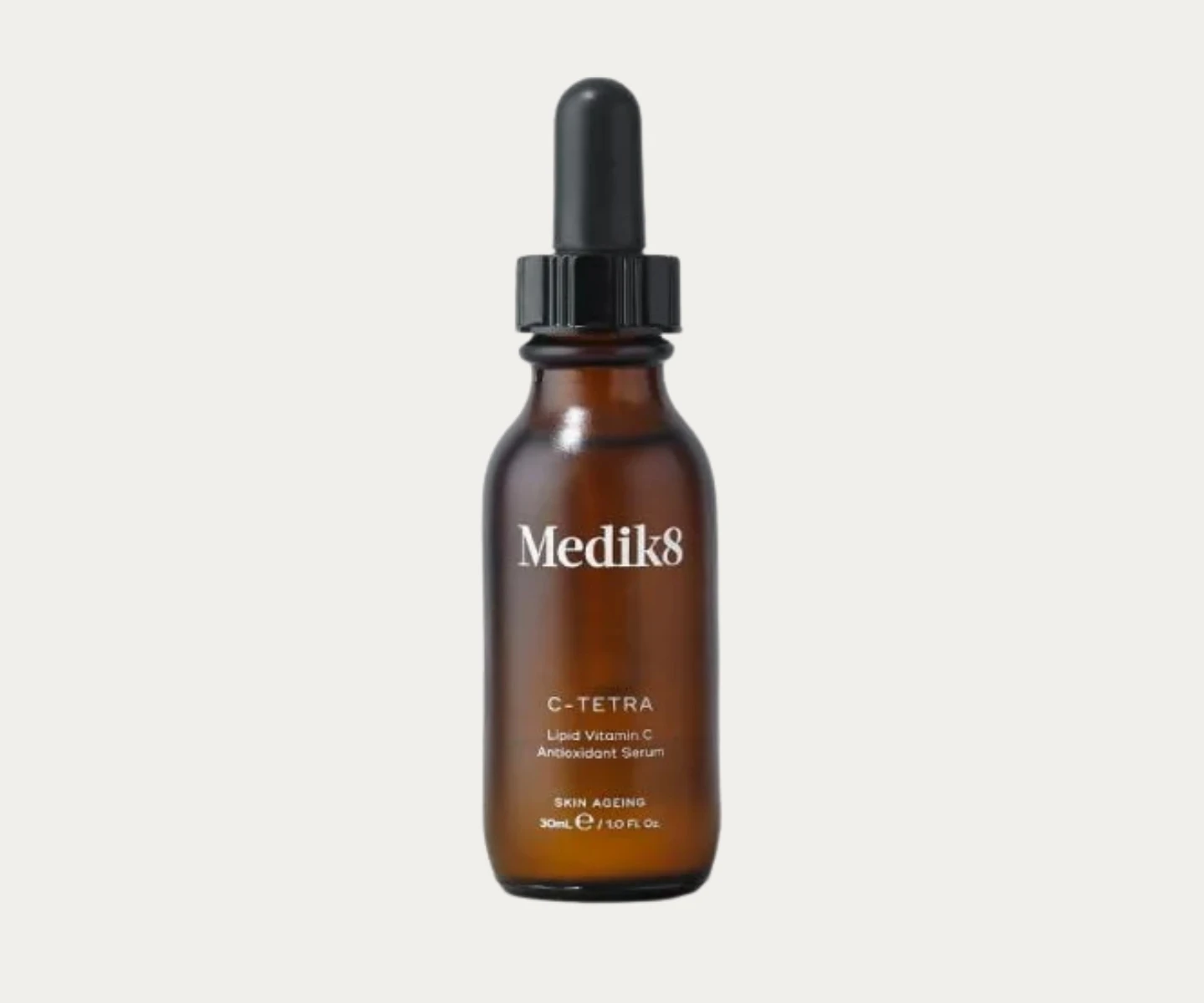
A gentle, oil-based vitamin C perfect for beginners or sensitive skin types.
La Roche-Posay Pure Vitamin C 12 Anti-Wrinkle Serum.
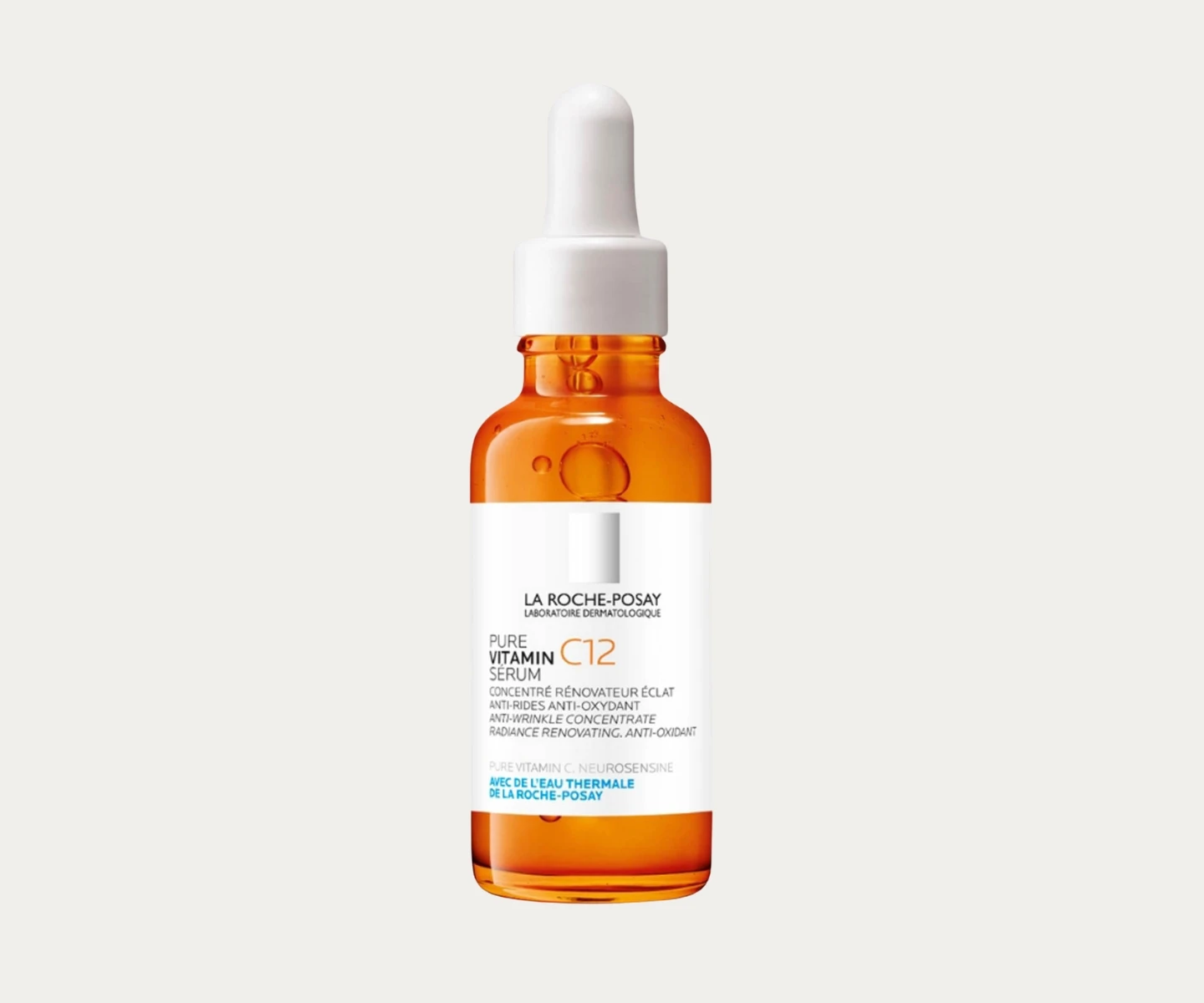
If you love the SkinCeuticals C E Ferulic Vitamin C Serum but can’t quite justify the price, this is a similar product at a more affordable price point, which is backed by dermatologists.
The Ordinary Vitamin C Suspension 23% + HA Spheres 2%.
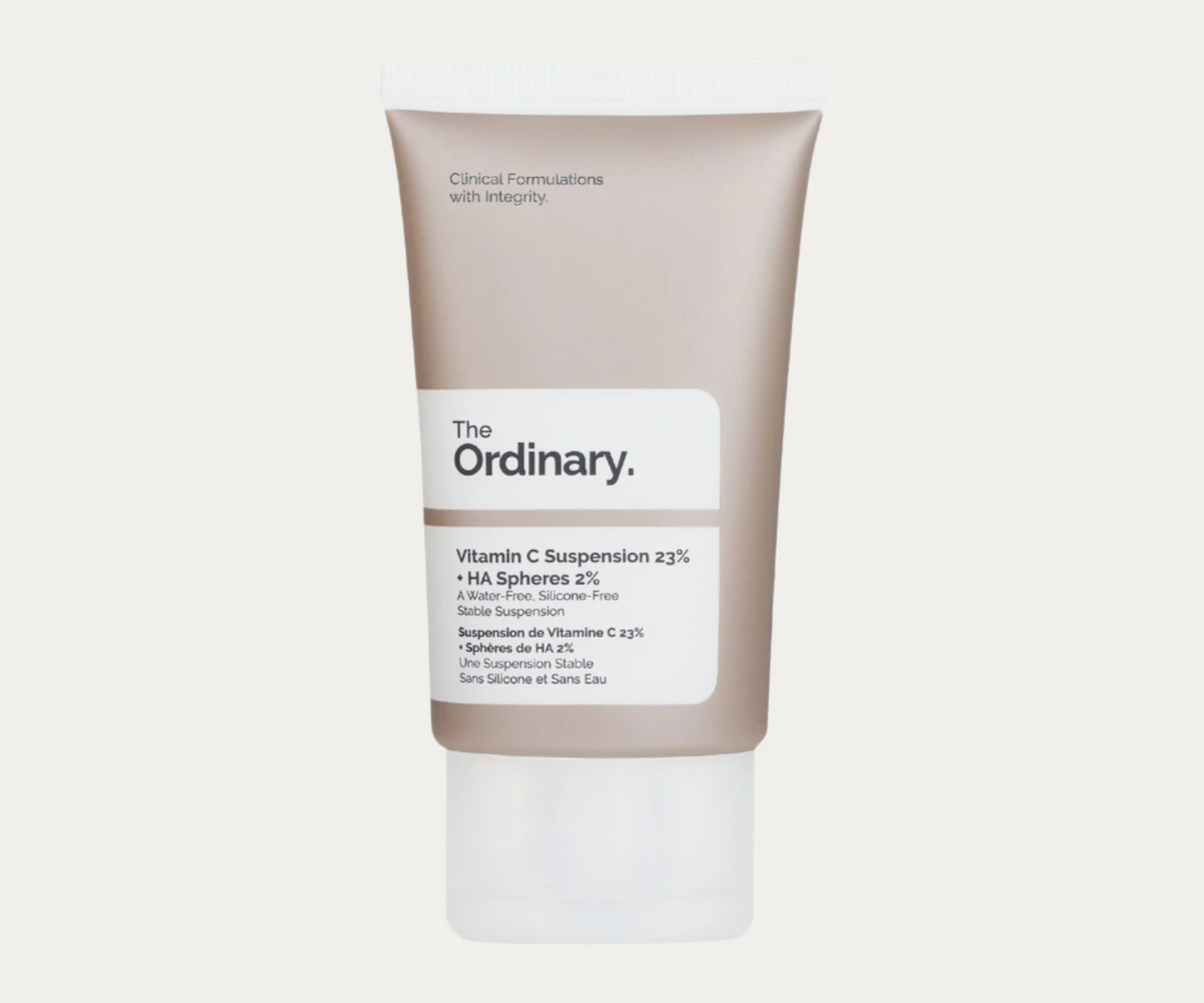
A high-strength, budget-friendly option for tackling stubborn pigmentation.

Medicube Deep Vita C Capsule Cream.
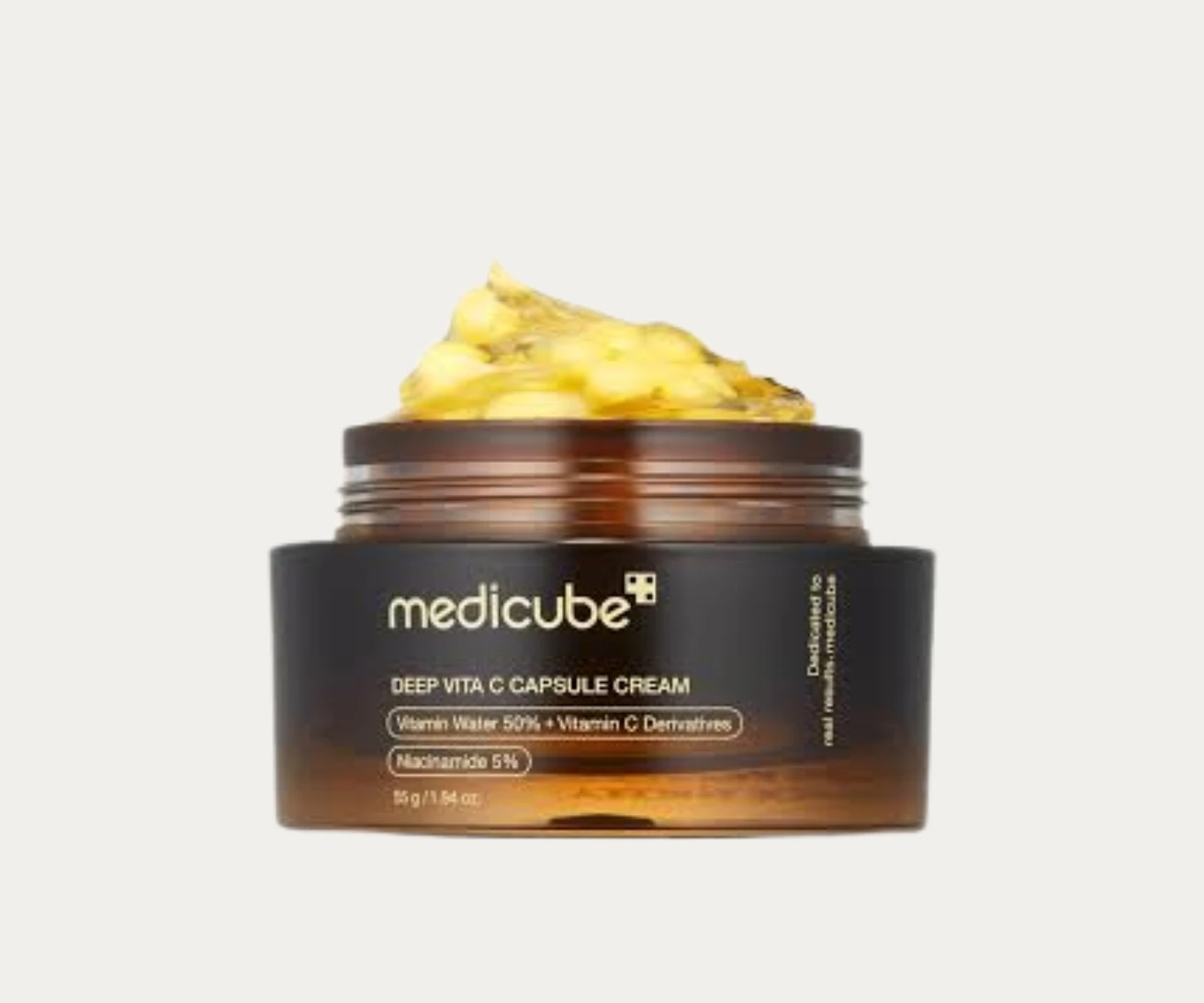
This is a personal favourite of mine because it’s one of the very few vitamin C products my hypersensitive skin can tolerate. You can read my full review here.
Shop Best Tranexamic Acid Skincare Picks:
Dermalogica Biolumin-C Night Restore Serum.
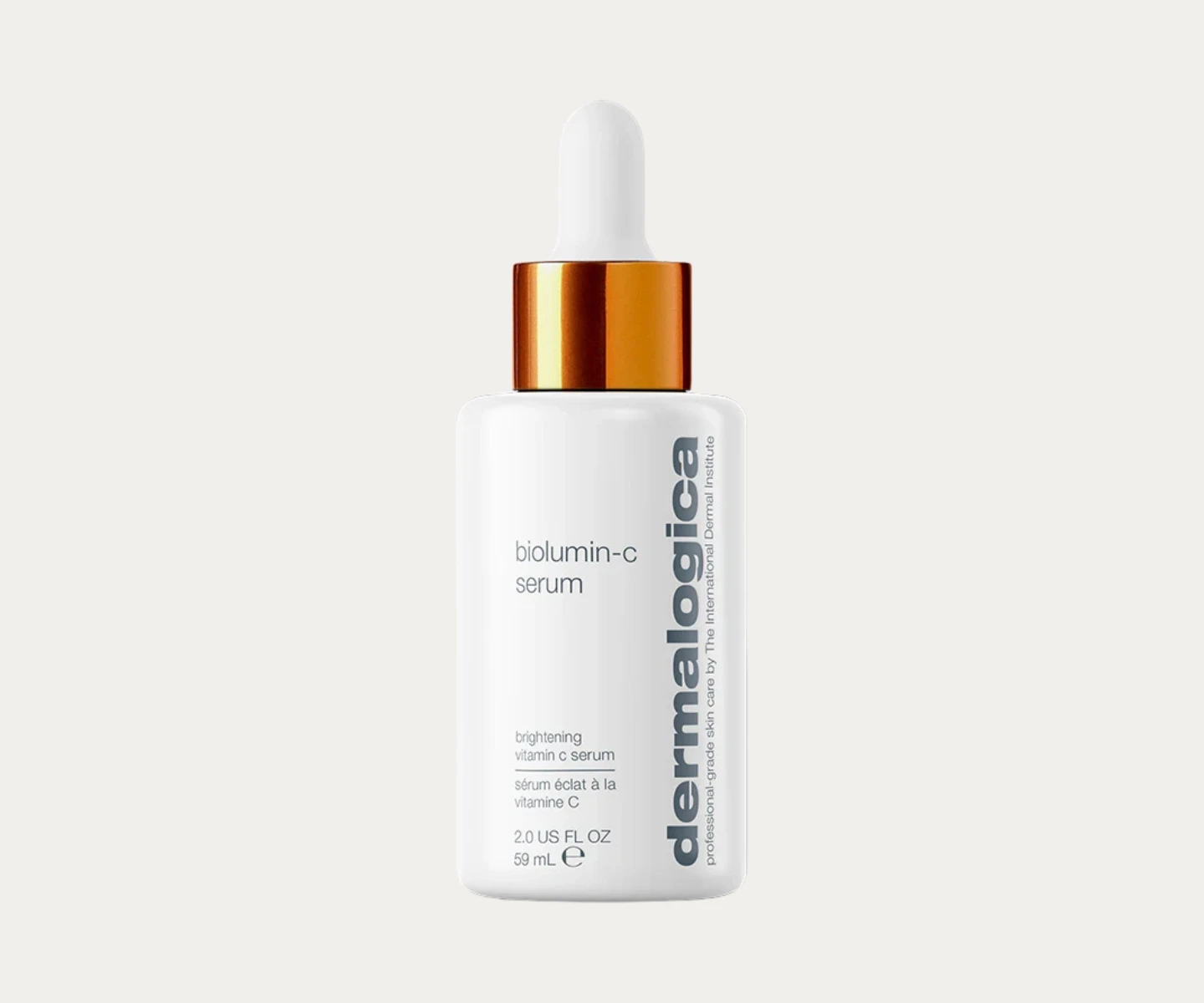
This combines both vitamin C and tranexamic acid to target uneven tone while supporting overnight skin repair. It’s a great option if you want a multitasking formula that brightens while you sleep.
Anua Niacinamide 10% + Txa 4% Serum.
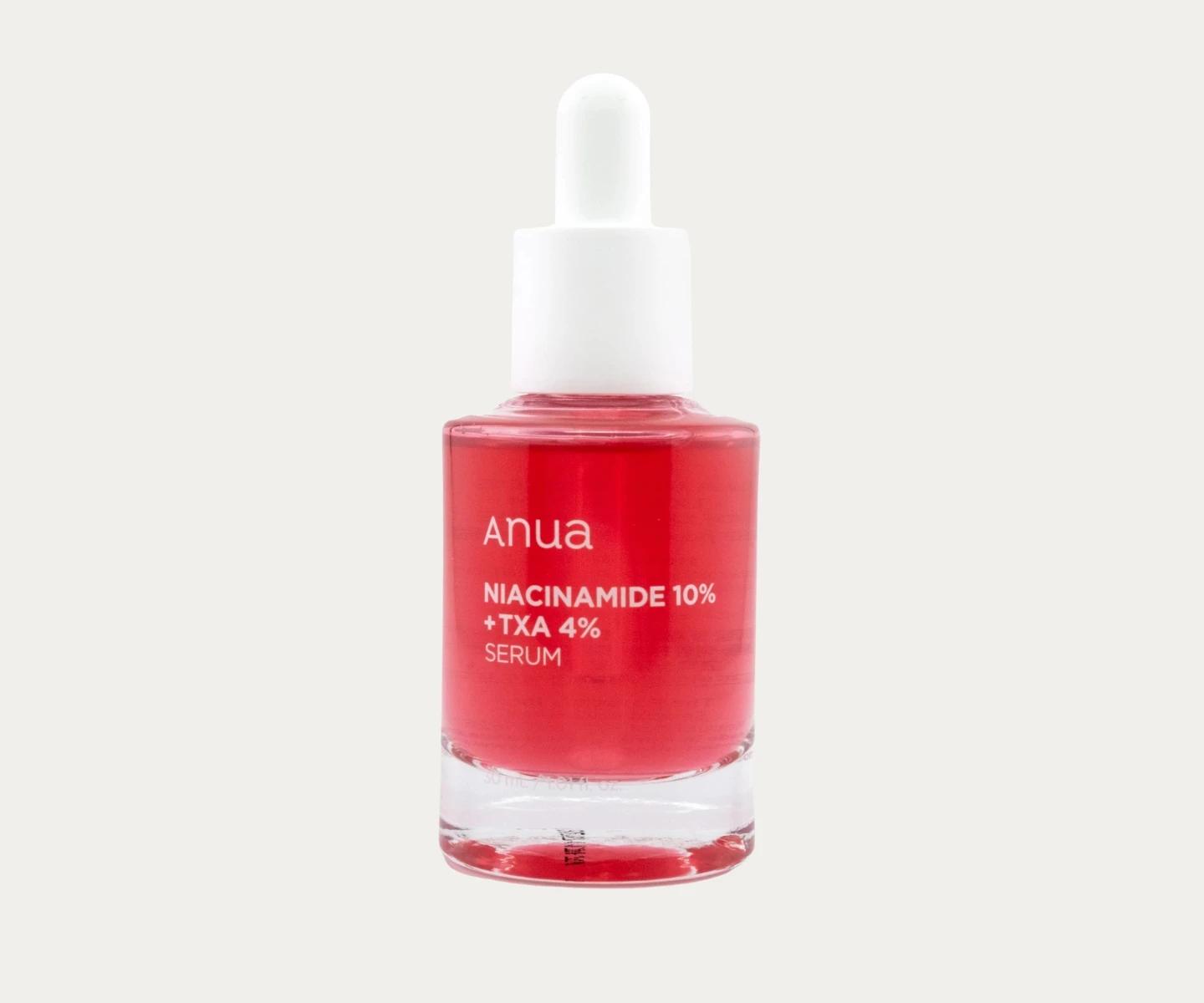
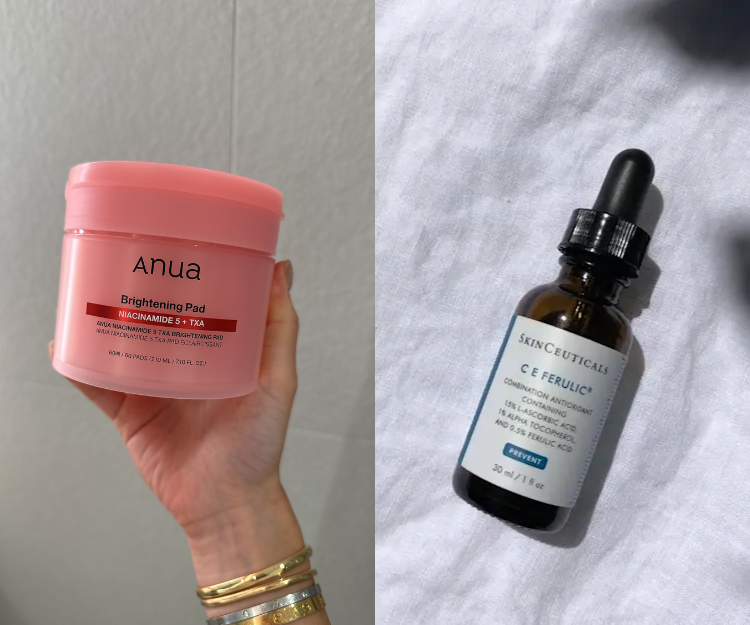
A powerful yet gentle brightening K-beauty serum with 10% niacinamide and 4% tranexamic acid to fade dark spots, even skin tone, and boost overall radiance. It also comes in a toner pad version.
SKIN1004 Madagascar Centella Tone Brightening Capsule Ampoule.
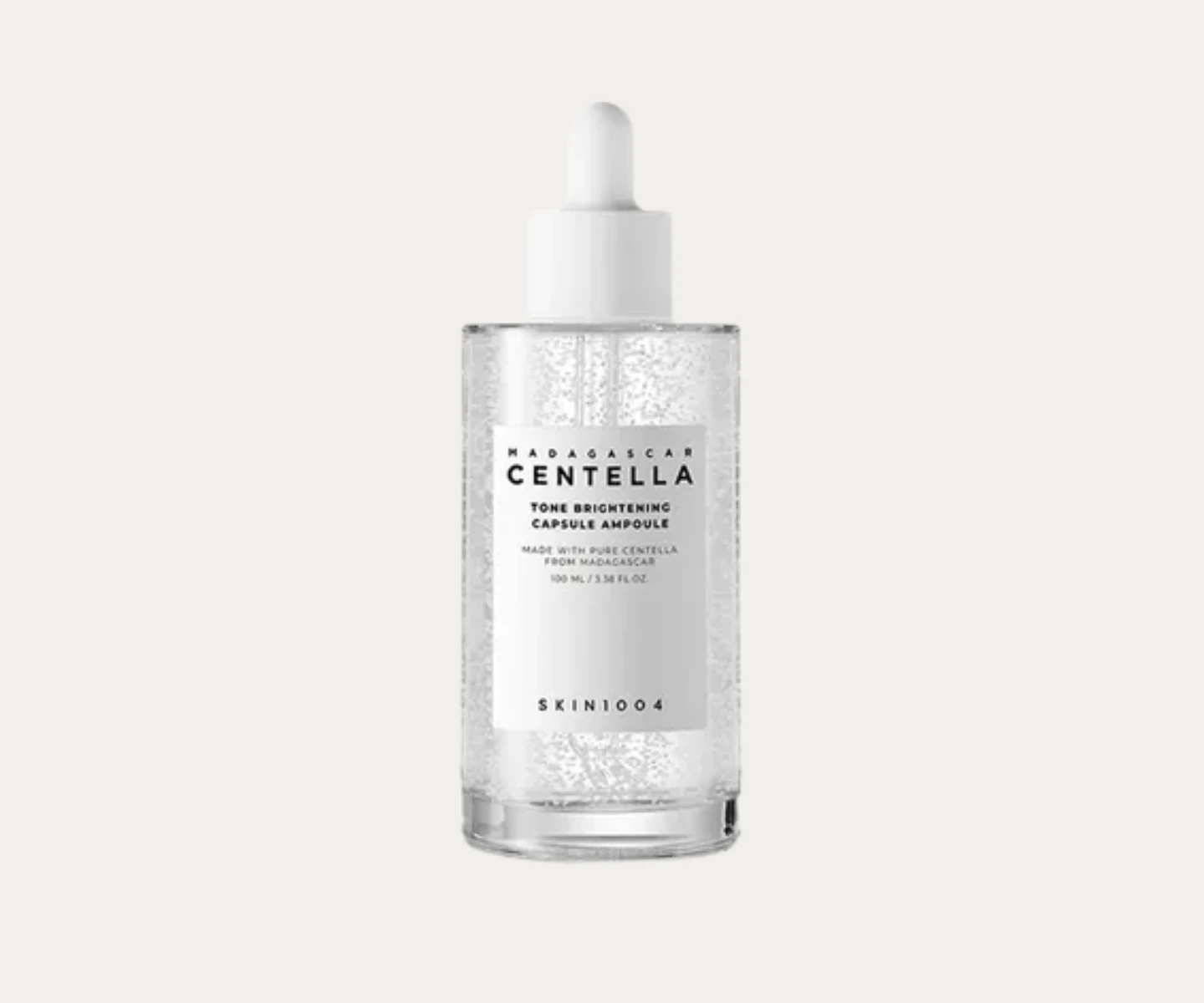
Another K-beauty favourite, this formula combines 2% tranexamic acid with 4% niacinamide to help brighten uneven skin tone, alongside calming centella to soothe the skin.
For more skincare inspo and advice, read these Beauty IQ articles next: