An Expert's Guide to Navigating Skin Health During Perimenopause and Menopause

Juna Xu is a freelance writer and journalist with over 11 years of experience covering beauty, fashion, lifestyle, interiors and health. Her work has appeared in publications including Adore Beauty, Body+Soul, Mamamia, News.com.au, Who, marie claire and ELLE Australia. Alongside running her own e-commerce interiors business, Juna has a not-so-secret obsession with skincare (especially K-beauty, which she proudly admits is her ultimate addiction).
Dr Ginni Mansberg says falling oestrogen in perimenopause and menopause commonly causes dullness, increased sensitivity and hormonal breakouts, so your usual products may start to sting or stop working. This summary outlines which ingredients to avoid and the gentler, more effective alternatives experts recommend.
Top Insights From This Guide
- Use broad-spectrum sunscreen daily, ideally SPF 50+, to prevent postmenopausal sunspots.
- Avoid glycolic AHAs and low-pH L-ascorbic acid if you develop new sensitivity.
- Try retinal at a low percentage with a gentle pH for effective, low-irritation vitamin A.
- Try 4-n-butylresorcinol (Rucinol) for pigment, effective like hydroquinone and non-cytotoxic.
If your skin feels like it's suddenly gone rogue in your 40s, you're not imagining it.
Your complexion begins to look dull, dryness and strange hormonal acne appear out of nowhere, and suddenly the products you've sworn by for years just… stop working. Or cause rogue sensitivity.
There's no doubt that hormonal perimenopause and menopause shifts impact the skin (among other things).
So, the big question is: what should you be doing for mid-life skin, and what should you avoid?
There's no better person to ask than Dr Ginni Mansberg who is a qualified GP, resident TV doctor (on Sunrise and The Morning Show), author of How to Handle Your Hormones, and expert in mid-life changes (she's often called 'The Menopause Whisperer').
On a recent podcast episode, Dr Mansberg broke down the skin changes that can occur during perimenopause and menopause.
Plus, she shared exactly which ingredients and products you should (and shouldn't) be using during this stage of life.
Common mid-life skin changes.
According to Dr Mansberg, much of what we experience during perimenopause and menopause comes down to declining oestrogen.
Essentially, oestrogen "stimulates your fibroblasts to actually make collagen and elastin," Dr Mansberg explained. "It's anti-inflammatory, it also kind of counterbalances your testosterone and sort of keeps your testosterone levels in check."
"And once you start going into perimenopause and your oestrogen starts to wane, even if in the beginning it's going up and down, it's those low oestrogen days that are going to send your skin absolutely bananas."
Here are the most common changes she sees in mid-life patients:
Skin sensitivity: Around 70 per cent of women report increased sensitivity during menopause due to an impaired skin barrier (again, from a drop in oestrogen).
Adore Beauty editor's pick to try: IT Cosmetics Confidence in a Cream Barrier Boost 60ml
Hormonal breakouts (especially around the lower third of your face): About 25 per cent of women experience acne during perimenopause, thanks to testosterone becoming more dominant as oestrogen drops.
Adore Beauty editor's pick to try: The Breakout Hack rebound serum
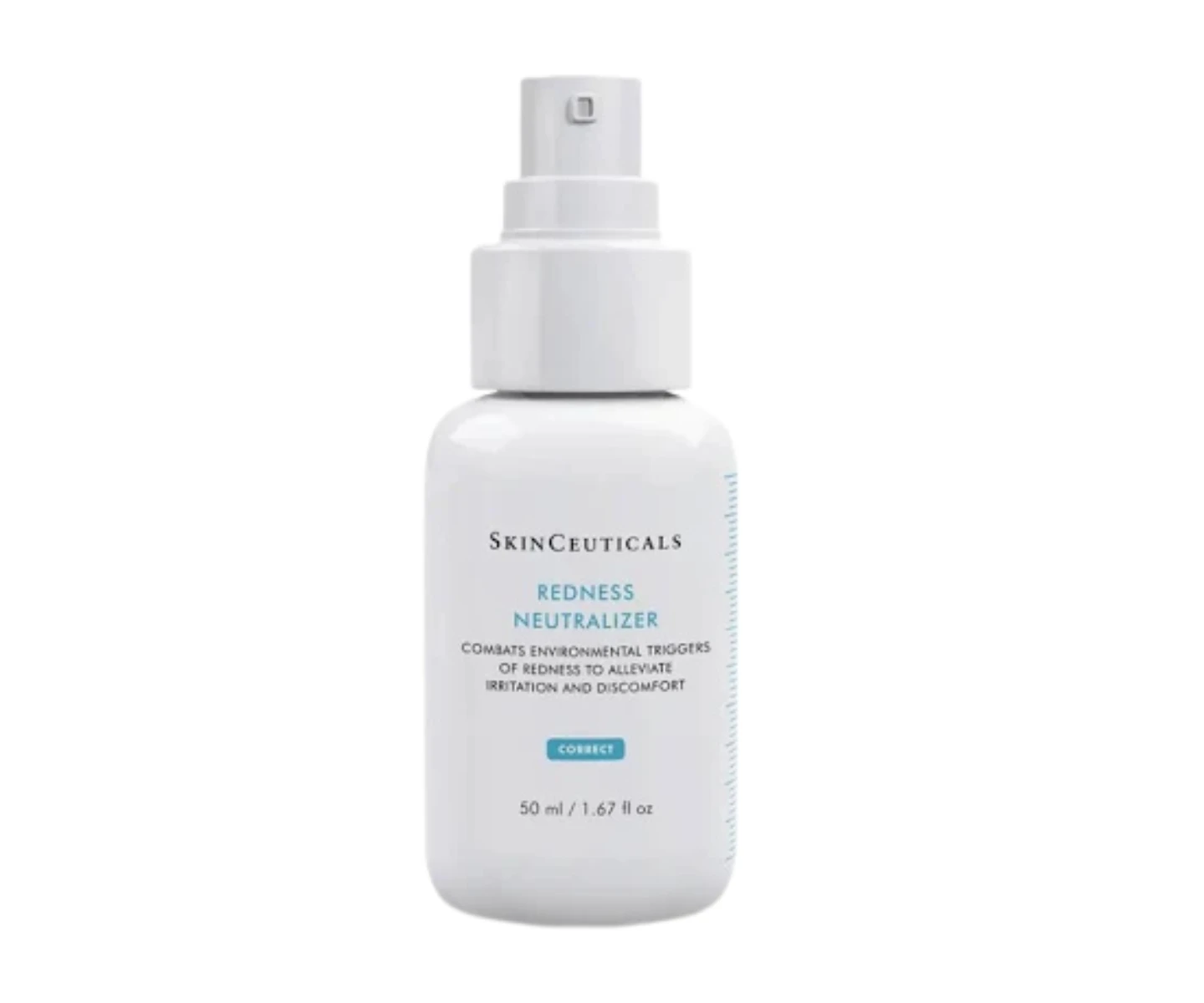
Rosacea: This can cause redness, burning and sensitivity across the central face. It's commonly mistaken for acne, but treating it the same way can make things worse. "If you've got pimples in the middle of your face, and it's not the lower third of your face, just make sure it's not rosacea, because rosacea can look a lot like acne."
Adore Beauty editor's pick to try: SkinCeuticals Redness Neutralizer
Ingredients and products to avoid for peri skin.
When skin becomes more reactive, Dr Mansberg's advice is to simplify — treading carefully with strong actives and avoiding anything that disrupts your skin barrier or pH.
Strong alpha hydroxy acids (especially glycolic acid).
"While I love glycolic acid for an adult female acne person who's like 30, I'm not super keen on that for a woman in perimenopause, particularly if she's going through sensitivity," she said.
Vitamin C (particularly low-pH L-ascorbic acid).
The most evidence-backed form of vitamin C requires a very acidic formula to stay stable, which can be irritating. It's also often oil-based, meaning it may contribute to breakouts.
Prescription vitamin A and even retinol (for some).
Many women suddenly develop "retinol burn" in mid-life, even if they've used vitamin A products for years.
Instead, try retinal — see our pick below.
Ingredients and products to try instead.
Sunscreen.
This is a no-brainer, but just a reminder, sunspots "really start to come up after menopause".
Adore Beauty editor's pick to try: Avène Sunsitive® Sunscreen Fluid Spf 50+
Retinal.
"Retinal is that Goldilocks retinoid because it is as effective in head-to-head trials as prescription vitamin A, but it's just completely non-irritating," Dr Mansberg explained.
She recommends a 0.06 per cent retinal or 0.1 per cent. Ideally, close to the manufacture date, ideally a pH of 5.5 or below, and possibly one that also contains niacinamide and polyhydroxy acids (PHAs) so it works as a multitasker.
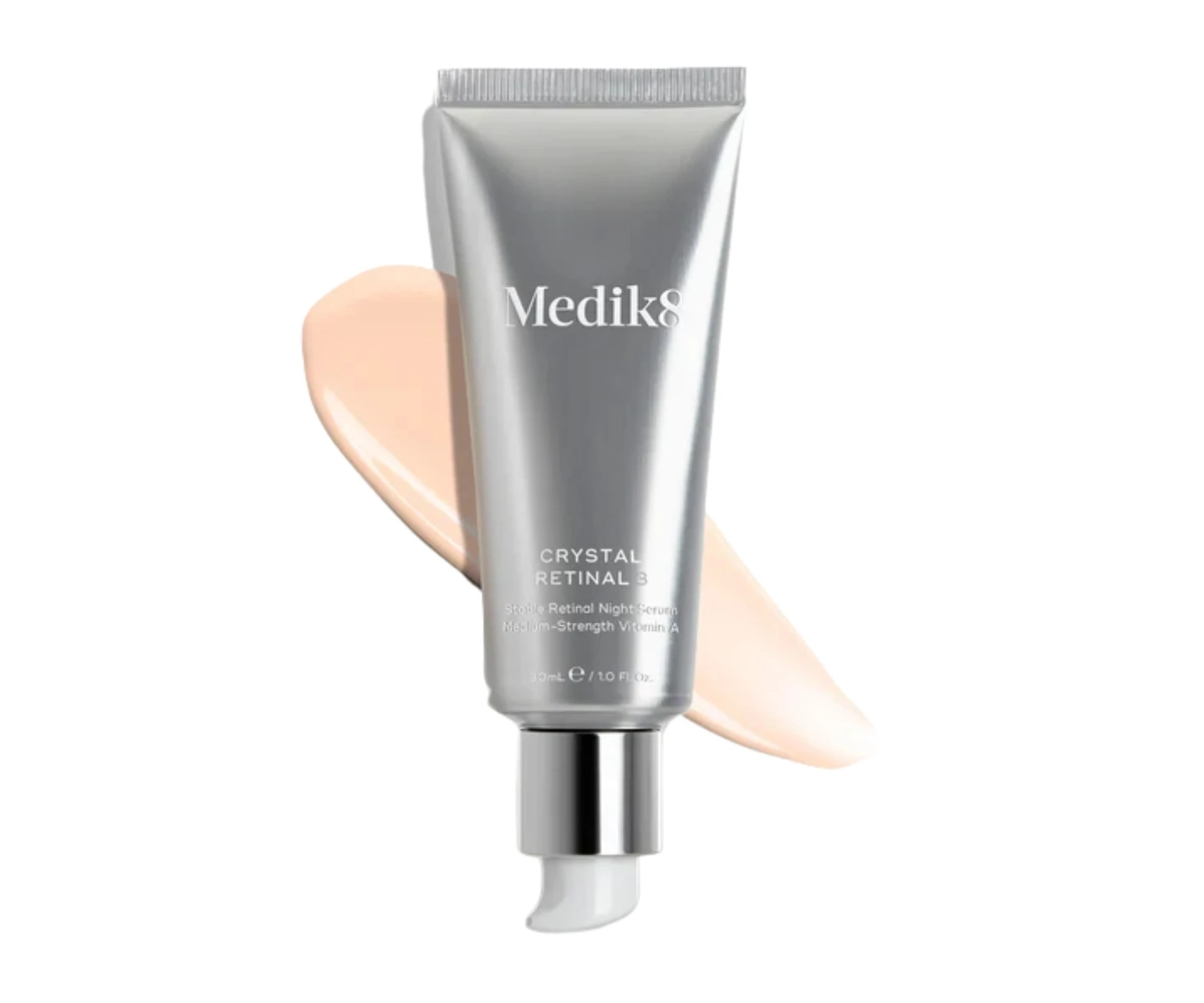
Adore Beauty editor's pick to try: Medik8 Crystal Retinal 3 30ml
4-n-butylresorcinol (aka Rucinol).
According to Dr Mansberg, this is huge in Korean skincare, but no one's talking about it in the Western world.
Basically, Rucinol is a powerful tyrosinase inhibitor (meaning it helps regulate pigment production) and has been shown to be as effective as hydroquinone, without killing pigment cells or causing irritation.
"It's non-cytotoxic, completely non-irritating and safe for rosacea-prone skin," Dr Mansberg said.
Liked this article? Read these next:
*This article originally appeared on Mamamia and has been republished with full permission.