A Skin Expert Debunks the Latest Skincare Trends

Yads Cauchi is a Dermal Clinician, Nutritionist (BHSc, MSc) and Beauty Journalist. She's also a mum of four. Evidence based skin health and nutrition are her thing and she works from her own skin clinic based in Canberra - you can find her there, or on Instagram and TikTok @yadscauchiskin.
Top Insights From This Guide
- Skip olive oil shots; add olive oil to salads for skin benefits.
- Prioritise SPF, retinoids and vitamin C first; consider Skinceuticals C E Ferulic.
- Use tretinoin only with proper skin prep and guidance; retinal or retinol may suit sensitive skin.
- Include sardines for omega-3s but avoid an all-sardine diet that lacks fibre and diversity.
- Aim for healthy skin over "glass skin"; use daily SPF like Skinceuticals Ultra Facial Defense SPF 50+.
Nothing moves faster than a skincare trend, and I get the appeal of hacking your way to healthy skin.
Everyone wants the shortcut. The magical quick fix that will truly deliver perfect “glass skin” overnight.
Although, as a dermal clinician and nutritionist, I hate to break the news to everyone… that it really isn’t that simple.
Look For Evidence-Based Ingredients
You see, the problem with social media is that the wilder a hack, the more likely it will go viral. And if it stirs up emotion or annoys people, even better… because the comments? The algorithm loves them.
However, as someone who works in a clinic and treats skin every single day, I see the ramifications of the crazy misinformation that’s spread online… on people’s skin.
You know, when nuance leaves the chat and suddenly people are telling me they’re rubbing beef fat on their face… then wondering why their acne is still there.
You see, the truth is that the path to healthy skin is a lot less boring than the internet makes it out to be.
And the reality? Well, honestly, consistency, evidence-based ingredients and understanding your skin properly will likely do more for your skin health than any trend ever will.
So if you have come across some crazy skincare trends you’re not alone.
Today the internet is a wild place. So let’s break down some current hacks that have popped up across social media and I’ll let you know if there’s any merit to them… or if they’re merely overhyped.
Trend #1 Olive Oil Shots for “Glowy Skin”
Yes, olive oil is rich in antioxidants and healthy fats and yes, it plays a role in overall health. But taking straight shots of it? There’s no need.
Your body doesn’t process nutrients in isolation like that.
Skin health comes from overall dietary patterns and not one single, concentrated dose of fat first thing in the morning is going to magically = healthy skin.
My recommendation? Add olive oil to your salads instead.
Trend #2 Longevity skincare
“Longevity skincare” is having a moment, and while I love the shift towards thinking about skin long-term, as a dermal clinician I recommend sticking to the evidence that works.
The term longevity skincare also kind of feels as like anti-ageing is being remarketed.
Which is fine. However, so many products in this category are being positioned as if they can slow or reverse biological ageing, which isn’t necessarily the case. So while the science around longevity is exciting, if ageing is a skin concern, always start with trusted products/ingredients that have a ton of evidence behind them like SPF, retinoids and vitamin C, then build from there.
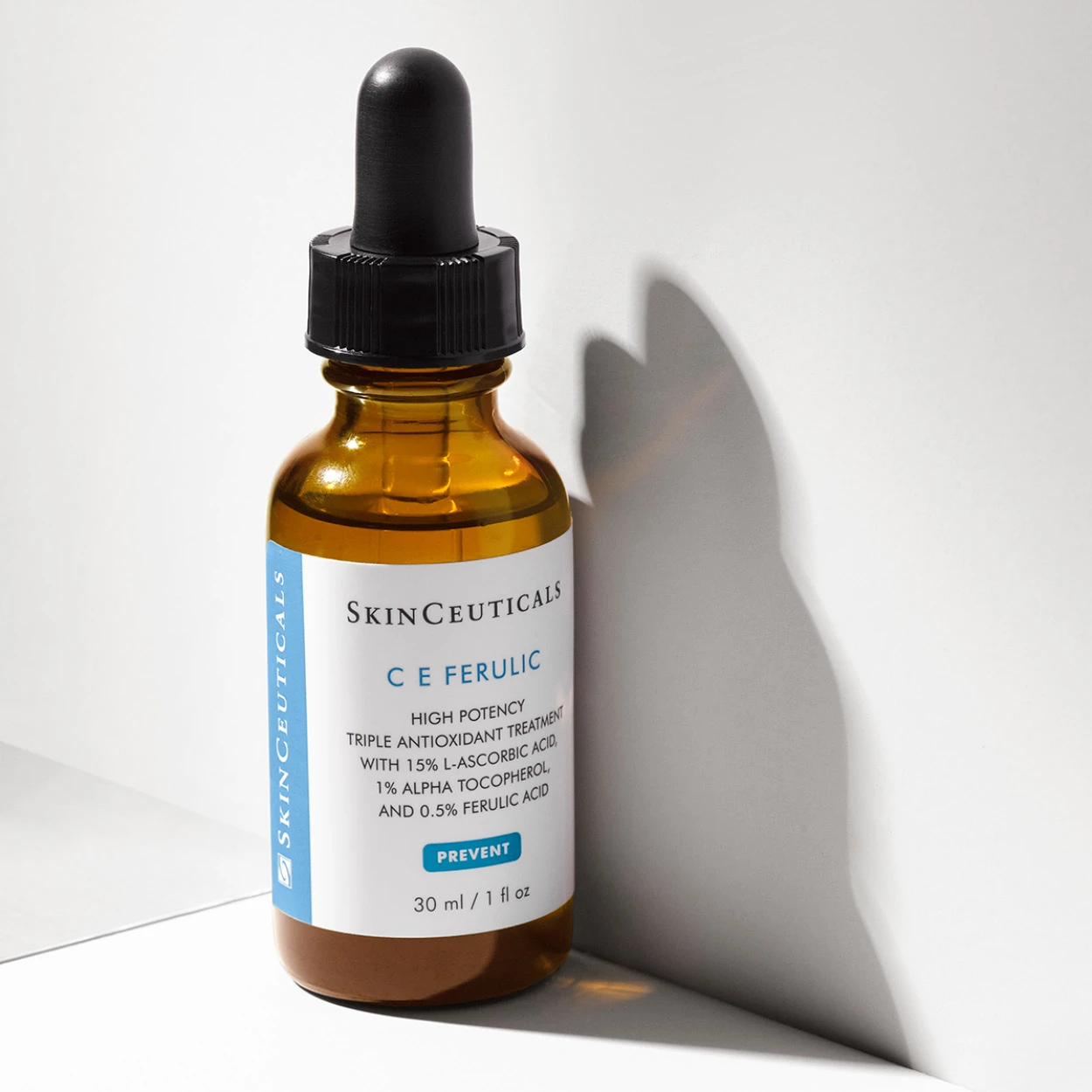
Try: Skinceuticals C E Ferulic, a skincare hero for a reason.
Trend #3 Tretinoin
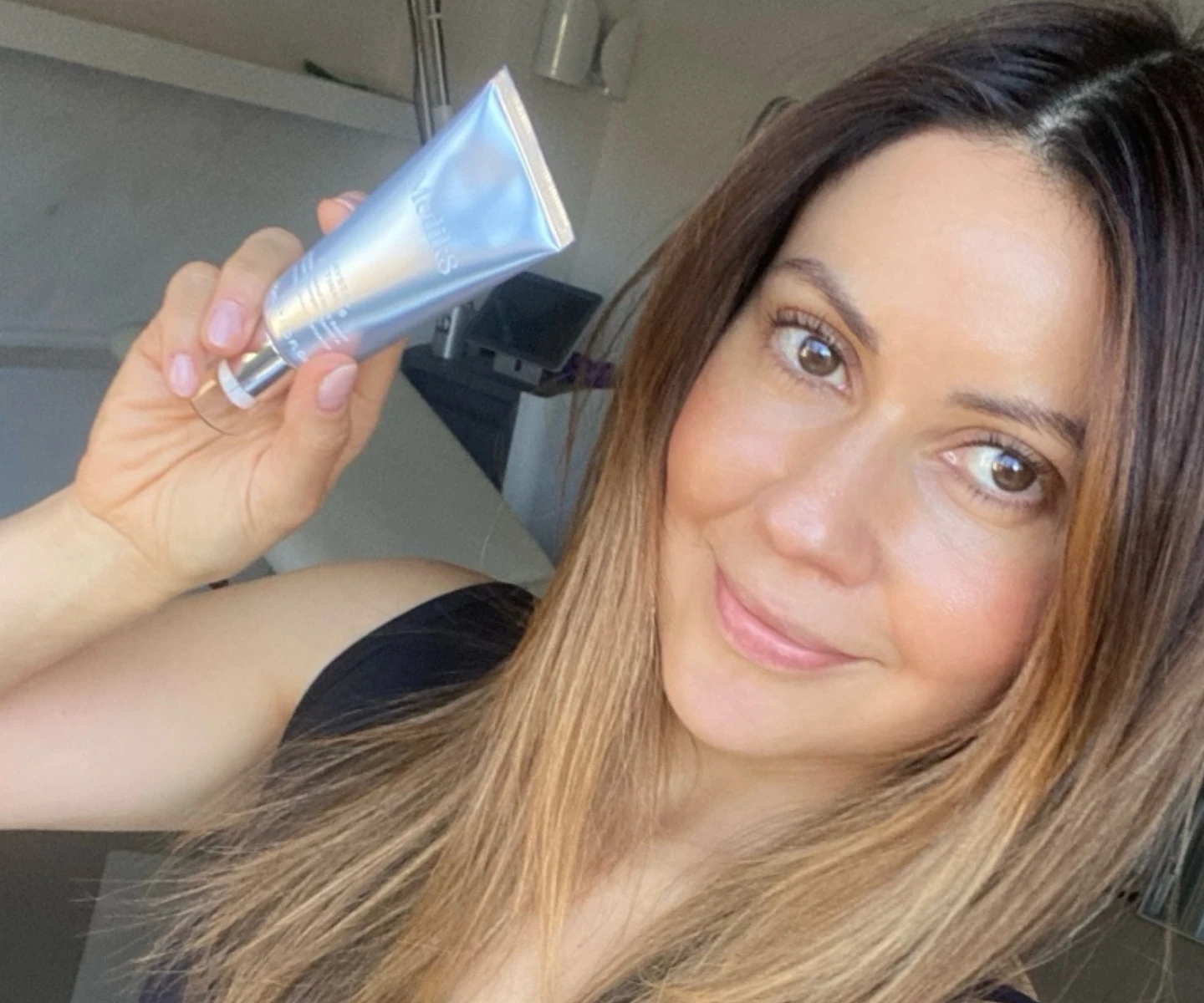
Tretinoin is the strongest derivative of vitamin A and has somehow become a skincare obsession for the internet… and don’t get me wrong, it is one of the most well-studied, effective ingredients we have for skin ageing and acne and I do love it! However, it is not for everyone the way the internet makes it out to be.
You see, tretinoin isn’t for everyone. It requires the right skin prep, the right guidance, and a level of consistency that not every skin barrier is ready for.
Used incorrectly, it can lead to irritation, barrier disruption, and ironically… worse skin.
There are also other forms of vitamin A (like retinal and retinol) that can deliver great results and be better tolerated by a lot of skins. So the takeaway?
Tretinoin is powerful, but it’s not a one-size-fits-all solution for every skin.
Try: Medik8 Crystal Retinal - this is a range I talk about so much, but that is because it’s such a great place to start when looking into vitamin A and/or if tretinoin is not right for your skin. Start slow and work your way up.
Trend #4 Sardine Fasts
This one has been everywhere. The idea is that eating only sardines (or mostly sardines) will “reset” your skin thanks to the omega-3s, protein, and micronutrients, but here’s the reality. Sardines are incredibly nutrient-dense, omega-3 fatty acids can support inflammation pathways, which can benefit skin conditions like acne.
But eating only sardines? Firstly, not an ideal meal plan. Secondly that’s a very restrictive diet that will ensure you miss out on fibre, key vitamins and plant diversity.
All of which are critical for gut health, and therefore skin health. So yes, include sardines in your diet, but don’t build your entire diet around them.
Trend #5 Peptides
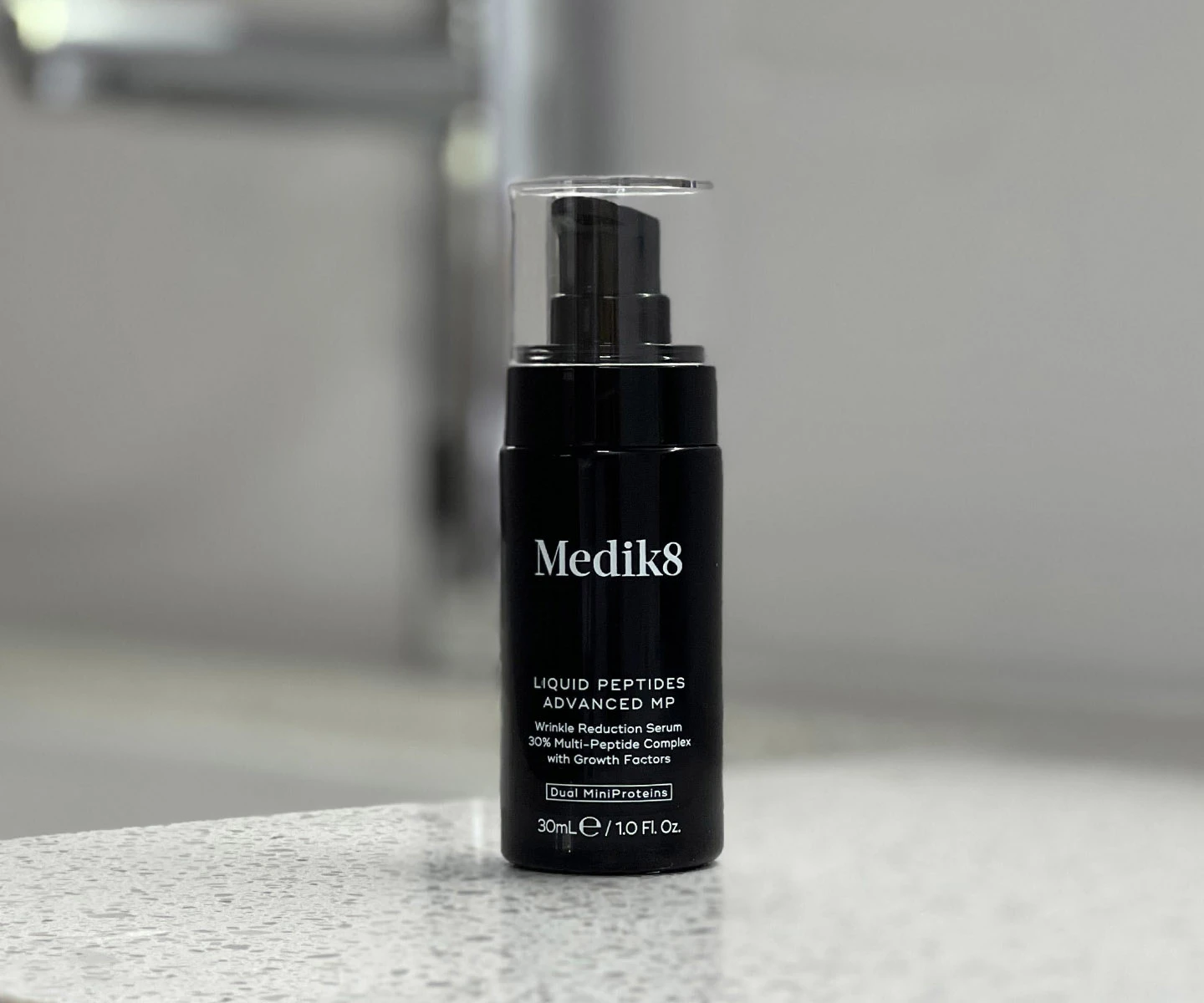
Peptides are everywhere in skincare right now, and while some do show promising effects for hydration, barrier support, and collagen signalling, not all peptides are created equal.
A lot of the marketing around them also makes them sound far more transformative than many of them are. Plus, the formula and evidence really, really matters when choosing a product.
I do love a well formulated peptide product though and they can definitely help with your overall skin health quality. However, if ageing is a skin concern I would definitely use them alongside retinoids and SPF for best results. (Ps. I have deep dived on these before.)
Try: Medik8 Liquid Peptides Advanced MP, this is an evidence backed peptide serum that is easy to slot into your routine morning or night.
Trend #6 Glass Skin
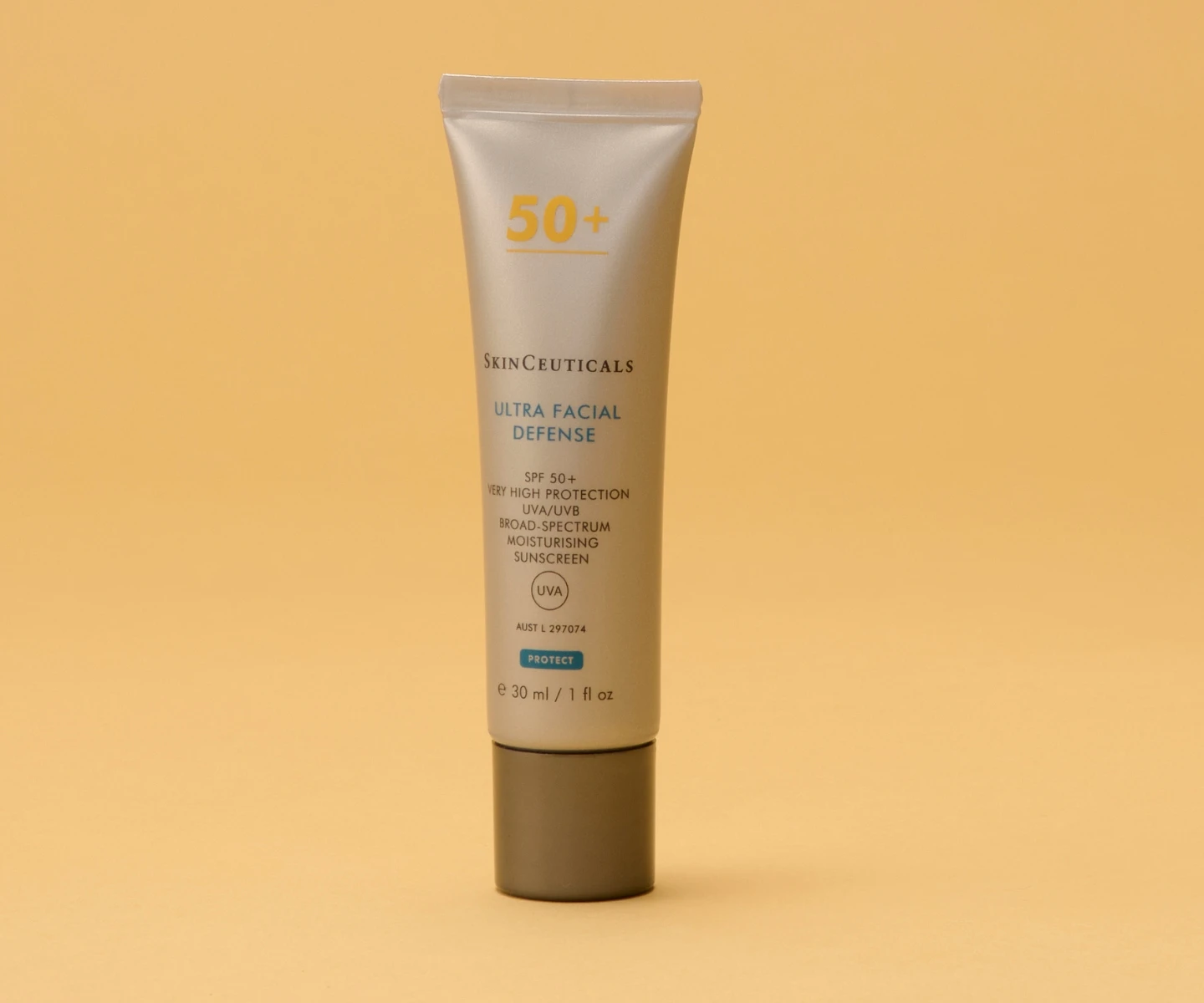
Finally, glass skin. Which yes, looks beautiful online, ultra smooth and poreless, but it’s also… not real life.
When someone is talking about how they achieved their “glass skin” often what you’re seeing is a lot of lighting, layering of hydrating products, and often a bit of strategic makeup or filtering. Because real skin…even if it’s super perfect still has texture. It has pores and it will change day to day.
Plus, chasing “glass skin” can actually push people into over-layering products, over-exfoliating, and constantly feeling like their skin isn’t good enough…when in reality, they have perfectly healthy skin that is functioning exactly as it should.
So the new aim? Healthy skin. Not perfect skin. And the best way to do that is by getting really diligent with your SPF!
Try: Skinceuticals Ultra Facial Defense SPF 50+ I love this SPF formula. It’s lightweight, absorbs quickly and so nice under makeup.
Catch up on more of Yad's expert articles below: