Do I *Really* Need Vitamin A, B & C Serums? Here’s What a Dermal Therapist Thinks

Yads Cauchi is a Dermal Clinician, Nutritionist (BHSc, MSc) and Beauty Journalist. She's also a mum of four. Evidence based skin health and nutrition are her thing and she works from her own skin clinic based in Canberra - you can find her there, or on Instagram and TikTok @yadscauchiskin.
There are a lot of confusing words in the skincare world.
From emollients and humectants to phenoxyethanol and ethyl ascorbic acid, it's a lot to take in.
And honestly, all of these confusing words can leave any skincare newbie wondering where the hell to even begin.
You see, an issue I come across in clinic a lot is people using the wrong serums to treat their concerns.
Or even merely using different types of face serums, without know what they’re using or why.
Every skincare product in your routine needs to have a purpose, and it needs to be treating your concerns.
Three of the most common skincare serums are: Vitamin A, vitamin B and vitamin C.
You’re either probably already using these, or have heard of them.
But do you know the difference between vitamin B and vitamin C? Or what you can (and really shouldn't) use together with vitamin A?
Think of this Beauty IQ article as your vitamin A, B and C cheat sheet.
We'll cover what these ingredients are, what they do for skin, and whether they are right for you.
Plus, I'll tell you if you need all three in your routine, and share my top serum product picks.
Let’s begin!
1. Vitamin A for Skin.
What is vitamin A?
- Vitamin A is the umbrella term for “retinoids” and has many over the counter (OTC) derivatives.
- These include retinol esters like retinyl palmitate, retinyl linoleate and retinyl acetate (mild and suitable for beginners).
- Then there's retinol (the most popular and suitable to most skins), and retinal aka retinaldehyde (stronger than retinol).
- Prescription vitamin A products (retinoic acid, tretinoin and retin-A) can only be prescribed by a doctor.
What does vitamin A do for skin?
Vitamin A stimulates the production of collagen and it reduces fine lines and wrinkles.
It also stimulates cellular turnover, improves skin texture/tone, fights pigmentation and can help to decrease oil production and treat acne.
What is vitamin A good for?
Age management concerns, pigmentation, acne, dullness and overall skin health.
Watch this YouTube video below for a quick guide to vitamin A skincare.
Who can/can’t use vitamin A?
Every skin type can benefit from vitamin A.
Although, it is important to find a strength to suit your skin and concerns.
Vitamin A is an ingredient that should be avoided when pregnant.
How to use a vitamin A serum:
- Apply at night on clean, dry skin before any other serums or creams.
- Layer a moisturiser underneath or on top if you're concerned about irritation.
- Start by applying every third night before gradually building up your tolerance to every second night, and eventually nightly.
- And always - ALWAYS - wear sunscreen every day, especially when using vitamin A in your skincare routine.
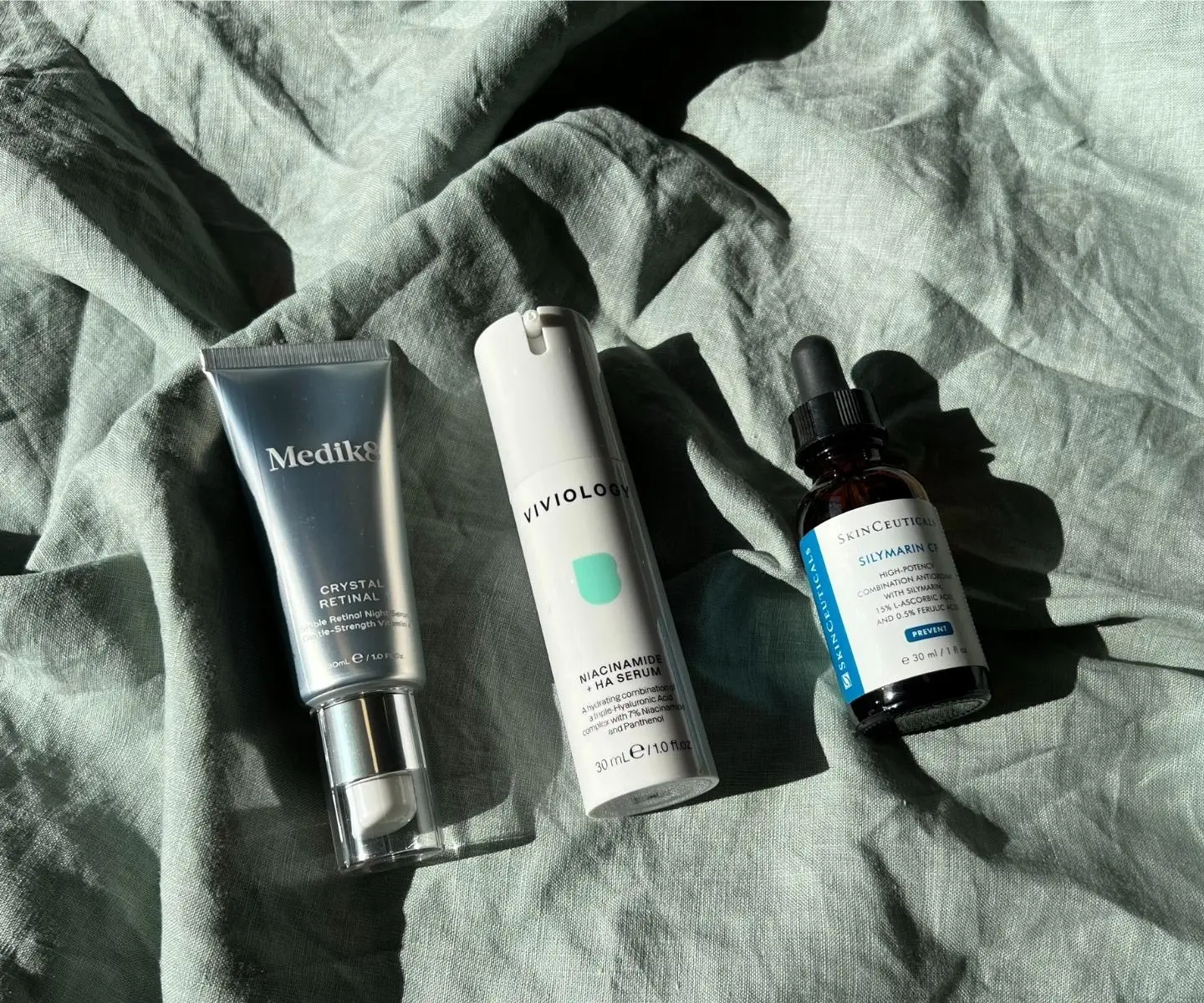
Best vitamin A serums: The Medik8 Crystal Retinal range.
This retinal range is one of my favourites because it has an option for beginners through to advanced.
- Medik8 Crystal Retinal 1 30ml is baby's first vitamin A treatment, great for true beginners or sensitised skin-havers.
- Medik8 Crystal Retinal 3 30ml is gentle to moderate, a very popular starting point.
- Medik8 Crystal Retinal 6 is a best seller, a strong all-rounder treatment.
- Medik8 Crystal Retinal 10 is your advanced, high-strength option (not for beginners!).
- You can even find Medik8 Crystal Retinal in a '20' strength, but only in skin clinics because you need adult supervision for this one.
I personally love the Medik8 vitamin A product because it does everything it says it does, evens out skin tone, fights fine lines, wrinkles, and pigment.
Plus, retinal acts faster than retinol which = quicker results. And the formula is well-tolerated by a lot of skins.
2. Vitamin B for Skin.
What is vitamin B?
Vitamin B is also known as niacinamide, vitamin B3 and nicotinamide.
What does vitamin B do for skin?
Niacinamide is an anti-inflammatory that can help brighten the skin, regulate oil production, minimise the look of pores, refine skin texture and keep the skin moisturised.
What is vitamin B good for?
Acne, age management, dryness and dehydration, pigmentation, sensitivity and redness.
Who can/can’t use vitamin B?
Anyone can use a vitamin B serum!
Bonus, niacinamide is a great pregnancy-safe ingredient to use in place of vitamin A. You can learn more about pregnancy skincare routines in this Beauty IQ article.
How to use a vitamin B serum:
Vitamin B can be used morning and night.
Layer it underneath your vitamin C serum in the AM, and on its own or after exfoliating in the PM.
Best vitamin B serums:
I have a lot of top niacinamide picks, but here are three.
- Viviology Niacinamide + HA Serum 30mL is an excellent all-rounder serum containing a hydrating combination of a triple hyaluronic acid complex, niacinamide and panthenol.
- Alpha-H Vitamin B Serum with 5% Niacinamide 25ml improves the skin’s barrier and is easy to layer. It's formulated with hydrators like hyaluronic acid too, which help with overall dullness and hydration.
- Aspect Extreme B 17 is an antioxidant-rich B serum that is lightweight, potent and visibly brightening on the skin. It’s also a really great option for oily skin as it’s very effective at balancing oil production.
3. Vitamin C for Skin.
What is vitamin C?
If you've ever wondered what the difference between 'ascorbic acid' and vitamin is, wonder no more.
- Like vitamin A, vitamin C is an umbrella term, and the most well-known form of vitamin C is L-ascorbic acid.
- You may have heard of other forms of vitamin C like ascorbyl palmitate, sodium ascorbyl phosphate and magnesium ascorbyl phosphate.
- Generally, when you see 'ascorbic' in the name, it's a type of vitamin C.
What does vitamin C do for skin?
Provides antioxidant protection and protects against free radical damage, promotes collagen production, evens skin tone and treats the look of pigmentation.
What is vitamin C good for?
Age management, skin dullness and hyperpigmentation skin concerns.
Watch this YouTube video below for a full breakdown of vitamin C for skin.
Who can/can’t use vitamin C?
Most skins should be able to use L-ascorbic acid, however sensitive, acne-prone or oily skins might prefer a gentler derivative like ethyl ascorbic acid.
There are some skins that just aren't compatible with vitamin C. You might even be allergic to topical vitamin C.
I wrote this handy Beauty IQ article with a list of vitamin C alternatives if you think this might be you.
How to use a vitamin C serum:
Vitamin C is most-commonly used in the morning.
Apply after cleansing, and before any other serums and moisturiser. And always finish with sunscreen!
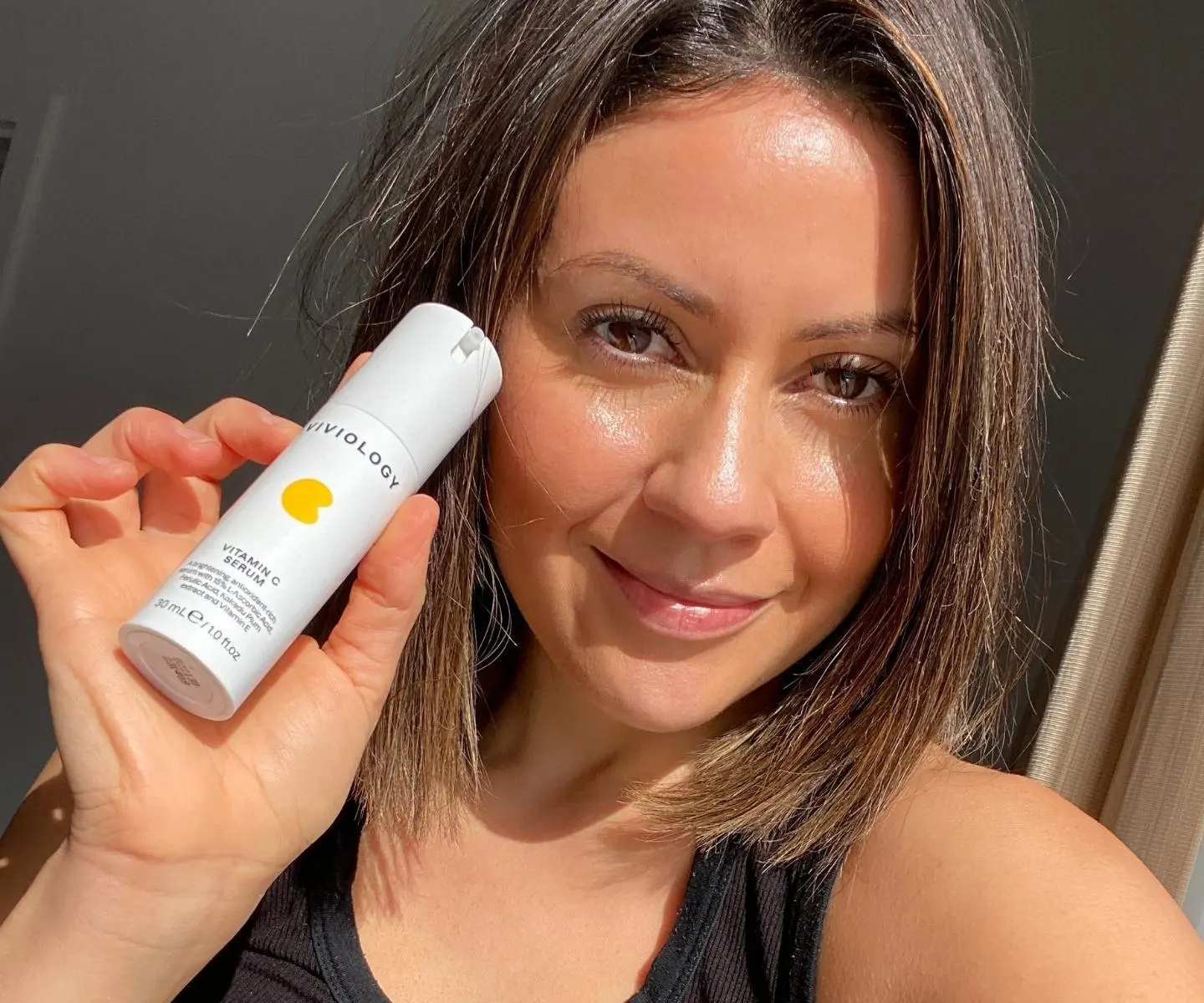
Best vitamin C serums:
Viviology Vitamin C Serum 30mLis probably the best budget-friendly vitamin C serum I’ve ever tried.
It’s a 15% L-ascorbic acid formula with other antioxidants thrown in. It's totally unheard for a vitamin C formula like this one to cost less than $60.
The watery texture is a little hard to play with at first, but it layers beautifully with all my morning serums, isn’t sticky and works well under makeup.
It’s witchcraft - but I’m obsessed!
Learn more about affordable skincare brand Viviology in this YouTube video below!
So, What Serum Should I Use?
Does everyone need a vitamin A serum, vitamin B serum and vitamin C serum in their skincare routine?
You don't need to, but most people can use all three, and often they should.
They each treat and target different concerns, and are all beneficial for the overall health of your skin.
Let's finish with some rapid fire vitamin serum Q&A:
- Can you use vitamin C and niacinamide together? Yes! These products layer well, no issues here!
- Should I use a vitamin C serum? Yes, however it might not be the best ingredient for anyone with sensitised, blemish-prone, easily-irritated skin.
- Can I use niacinamide with hyaluronic acid and/or retinol? Yes! All these ingredients go together.
- Can you use a vitamin C and retinol serum together? Don't layer these two ingredients. Stick with vitamin C in the AM, and retinol in the PM.
- Can you use retinol and glycolic acid together? Both of these are resurfacing ingredients, so avoid using exfoliating acids and vitamin A on the same day, and maybe even in the same routine depending on your skin type.
Finally, if you're a skincare newbie and want to start using a serum, I would suggest starting with vitamin B.
Once you've mastered that, you can add in a vitamin A serum (that is the right derivative and strength for your skin). Same goes for vitamin C.
Still not sure?
Go and see a dermal therapist. They'll assess your skin and tell you exactly what you do (and don't) need.
Best money you'll ever spend.
Want to learn more about your skin A, B and Cs? Check out these helpful articles below: