How Can You Tell if Your Skin Barrier Is Compromised?

Yads Cauchi is a Dermal Clinician, Nutritionist (BHSc, MSc) and Beauty Journalist. She's also a mum of four. Evidence based skin health and nutrition are her thing and she works from her own skin clinic based in Canberra - you can find her there, or on Instagram and TikTok @yadscauchiskin.
Stinging, tightness after moisturising, persistent redness or visible flaking usually mean your skin barrier is compromised, and a barrier cream can soothe, seal in hydration and speed repair. This article explains the warning signs, when to add a barrier cream, how to layer it in your routine and Adore Beauty picks like La Roche-Posay Cicaplast Baume B5+ and Avène Cicalfate+.
Top Insights From This Guide
- Add a barrier cream when skin stings, feels tight after moisturising, is red or visibly flaky.
- Apply barrier cream as the final step after serums and moisturiser, then sunscreen in the morning.
- Use after clinical treatments or during seasonal dryness to soothe, seal hydration and speed repair.
- Keep La Roche-Posay Cicaplast Baume B5+ for intense repair; Avène Cicalfate+ for everyday soothing.
Whether you are recovering from professional treatments, facing seasonal dryness or using acne actives, these tips and product picks will help you choose and use a barrier cream without overloading or worsening your skin.
Thanks to the world of TikTok (and probably Hailey Bieber too), barrier creams are everywhere, but do you really need one?
You see, barrier creams are essentially a product that protects, restores, hydrates and supports your skin’s natural barrier.
So they’re really great if you’re noticing dryness, stinging, or barrier impairment (and as a dermal clinician I also really love them after clinical treatments!)
However, for some skins, such as oily/congested acne prone they might actually be quite heavy, and could even make things worse so it’s important to tread with caution.
Either way barrier creams can be a useful tool in your skincare toolkit (when used correctly), and if your skin is dry or damaged they’ll be your best friend so let’s delve deeper into the world of barrier creams and find out if your skin really needs one.
Is Barrier Cream the Same as Moisturiser?
But first, yes, you can use a barrier cream as a “moisturiser” but that is not how they work.
A moisturiser hydrates the outer layer of the skin. It works by locking in moisture, think soft, plump, juicy skin.
Barrier creams, on the other hand, are designed to protect and repair dry/damaged skin.
They help to seal in moisture but their main job is to soothe, support, heal, and shield damaged or compromised skin. Like when your skin is irritated, dry, or over-exfoliated.
So yes, a barrier cream can act like a moisturiser especially if your skin is sensitised, but it isn’t designed to hydrate in the same way. So you don’t need to be using one all the time.
They form a protective layer, and can also be a lot thicker hence why they can be too occlusive for some skins.
School Me Again on My Skin Barrier.
What is your skin barrier again?
Also in case you’ve forgotten what your skin barrier is and what it actually does, it’s the outermost layer of your skin.
Think of it as a brick wall where the “bricks” are the skin cells and the “mortar” are the lipids (fats).
Its job is to lock in moisture and keep out irritants, bacteria, and pollutants. So when you damage it (most commonly by overusing active ingredients), then it’s not as strong as it could be, and won't protect the skin as well as possible.
Moral: a healthy skin barrier = healthy skin. However, if you damage it this is where a barrier cream can come in handy, below are a few signs that might indicate skin barrier damage.
Want more of a deep dive on how to tell if your skin barrier is impaired? Watch the YouTube video below:
Signs Your Skin Barrier Might Be Damaged.
- Dryness or flakiness.
- Redness or inflammation.
- Itching or burning sensations.
- Breakouts that don’t respond to usual treatments.
- Increased sensitivity to products.
- Skin feeling tight even after moisturising.
When You Actually Need a Barrier Cream.
Moral: barrier creams will be best for dry/sensitive skin types.
They’re great during seasonal changes and post-treatment while the skin is healing and you’ll know it’s time to add a barrier cream into your routine (rather than just switching to a richer moisturiser) when your skin starts to sting, feel tight, red or visibly flaky, even after moisturising, and your usual hydrating products aren’t enough to stop moisture loss or calm irritation.
And while they might not be the best option for oily/acne prone skin, they do have a place when oily or acne-prone skin suffers barrier damage from over-stripping cleansers or acne treatments.
So a barrier cream can help seal in hydration, soothe inflammation, and keep blemish-fighting actives working without irritation.
Although you need to listen to your skin as there can be a fine balance.
How to Use a Barrier Cream in Your Routine.
Apply a barrier cream as the last step in your routine, after serums and moisturisers, and before sunscreen in the morning or alone at night.
What Is the Best Skin Barrier Cream? Adore Beauty Product Picks:
Now onto the fun stuff, my favourite barrier cream products!
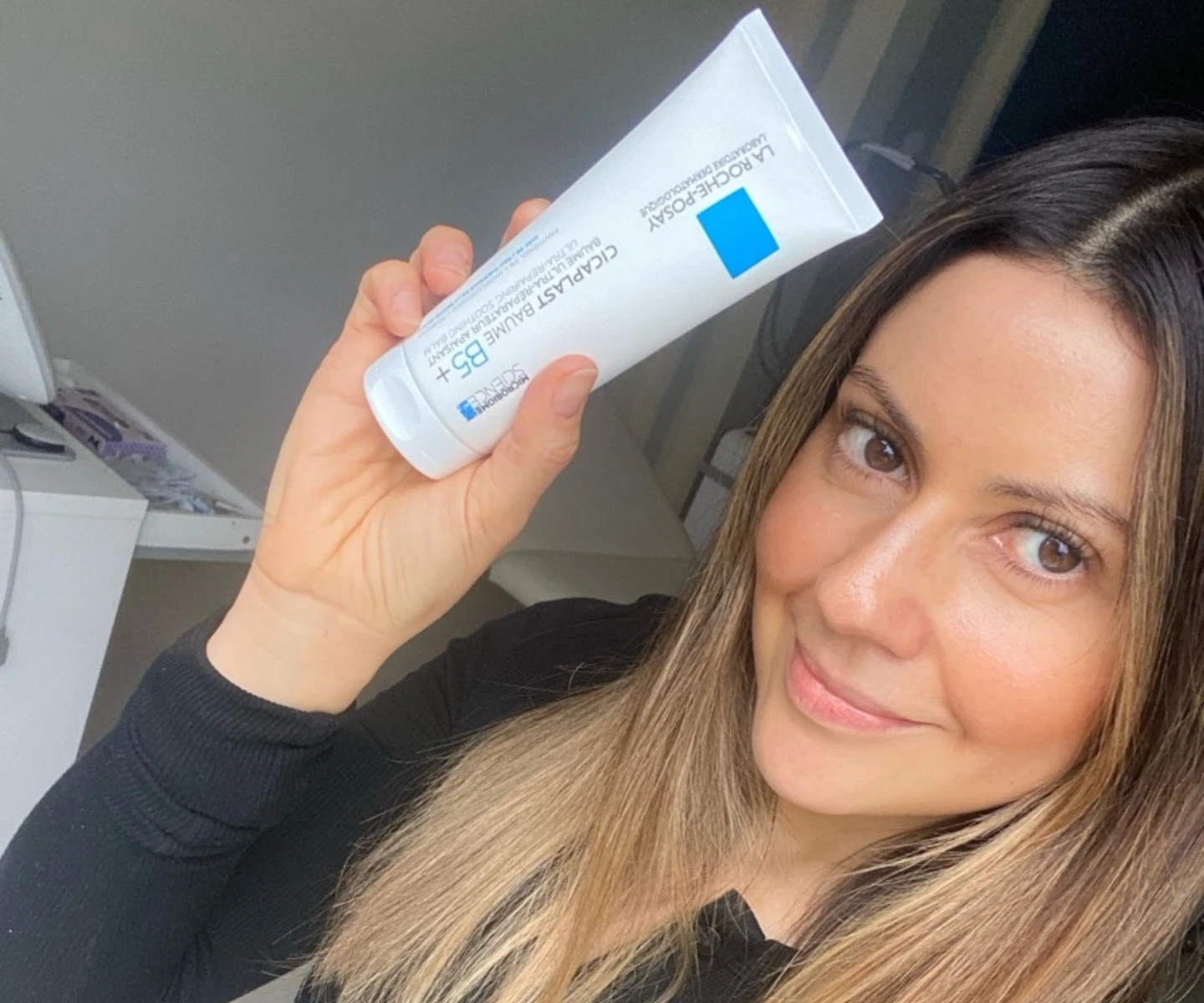
- La Roche-Posay Cicaplast Baume B5+: cult-fave, post-procedure hero. This is a thick, budget friendly barrier cream that will heal your skin asap. I always say every skincare toolkit needs to have this superhero tube on hand.
- Avene Cicalfate+: French pharmacy staple for sensitised skin. It is not as thick as the cicaplast baume, and more for a cream than a balm so this is a much better moisturising option for everyday IMO. It’ll instantly soothe irritated skin.
- Medik8 Ultimate Recovery Intense: great for post-treatment skin barrier damage and to use in place of moisturiser while your skin is healing.
Catch up on more of Yad's expert advice below: