Yes, You Should Be Exfoliating Your Lips. This $14 The Ordinary Serum Makes It Easy

Francesca is the Beauty Editor at Adore Beauty. With a background in glossy mags and bylines in publications like Marie Claire, ELLE and BODY+SOUL, Francesca has turned her love of beauty into a career. Whether she's decoding buzzy ingredients or road testing lip glosses (so. many. glosses.), her approach to beauty is equal parts glamour and highly-considered.
Top Insights From This Guide
- Use it 2 to 3 evenings a week; saw smoother, less peeling lips after a month.
- Formula contains 5% gluconolactone (PHA), 1.5% AHAs and glycerin that makes up over half the mix.
- PHA chemical exfoliation hydrates and resurfaces without causing micro‑tears from scrubbing.
- Apply a thin layer to clean, dry lips overnight, follow with balm and use lip SPF by day.
I’ll admit it; lip exfoliation hasn't always been on my radar.
Typically I'd swipe on lip balm (like there's no tomorrow) but call it there. While my lips have always maintained a somewhat hydrated state, they certainly weren't as smooth as they could've been.
Then came my first Melbourne Winter... and with it, the kind of flakiness that no amount of balm or gloss could disguise.
I had to embrace my lip exfoliation era - fast. And thankfully, it turns out one my of favourite skincare brands, The Ordinary, were embracing it too.
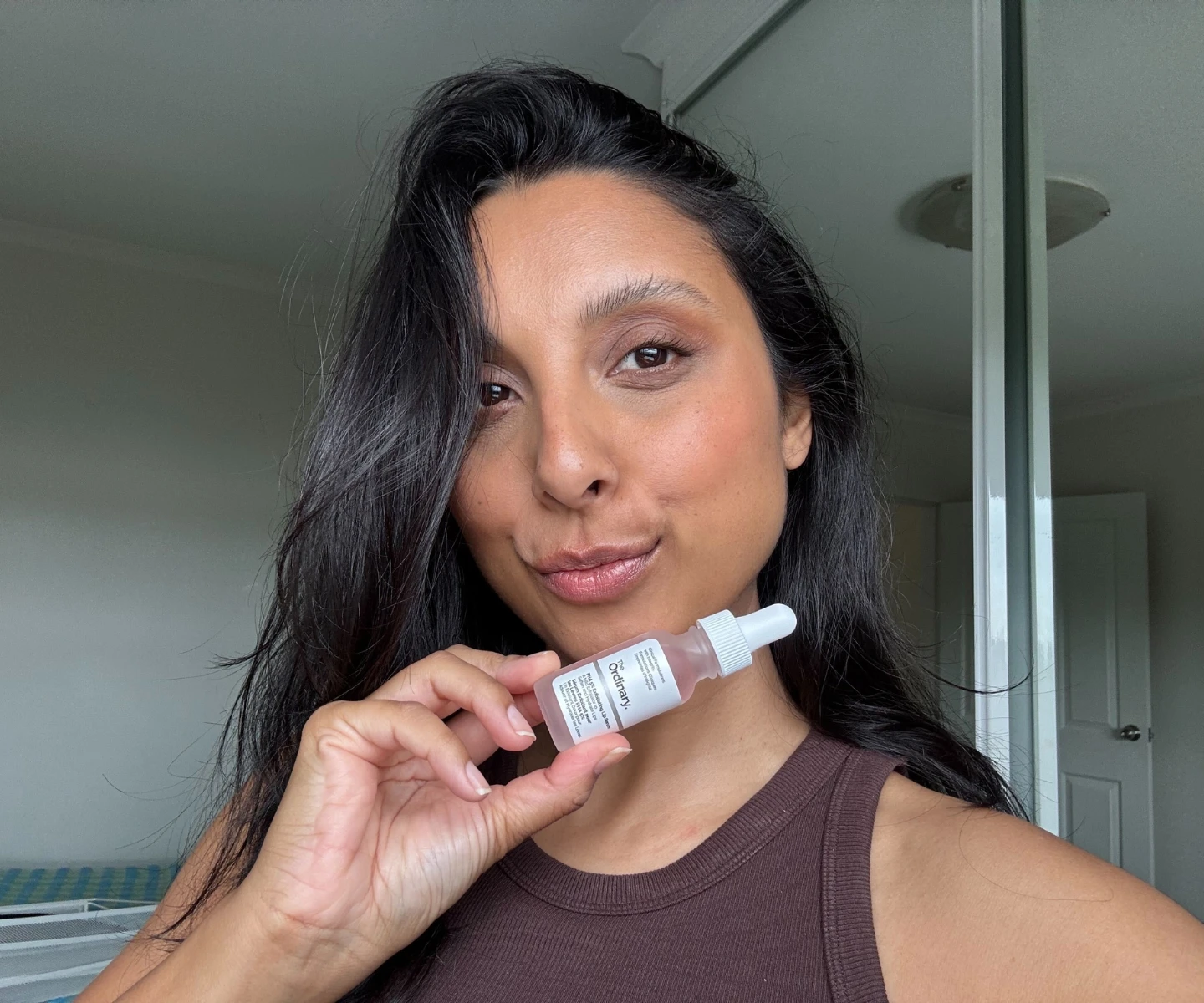
Designed to compliment their best-selling Lip Balm, the brand have unveiled their newest innovation; PHA 5% Exfoliating Lip Serum. Traditionally lip exfoliators are physical (eg. scrubs), however this newbie delivers a gentle (but effective) chemical exfoliation.
Intrigued, and over-the-moon with it's $14.60 price point, I decided to give it a go.
Is exfoliating good for your lips?
Just as our skin benefits from regular exfoliation, our lips do too. But not all exfoliation is created equal. Traditional lip scrubs rely on physical exfoliants like sugar, salt or microbeads to manually remove dead skin. The problem? The delicate skin on our lips is far thinner and more sensitive than the rest of our face, meaning harsh scrubbing can cause micro-tears and irritation.
Chemical exfoliation works differently. Instead of buffing, it uses gentle acids to dissolve the bonds between dead skin cells, revealing smoother healthier skin underneath.
For lips, the safest option is Polyhydroxy Acid (PHA): a next-generation acid that offers the same resurfacing benefits as AHAs and BHAs, but with added hydration and minimal irritation.
The Ordinary PHA 5% Exfoliating Lip Serum
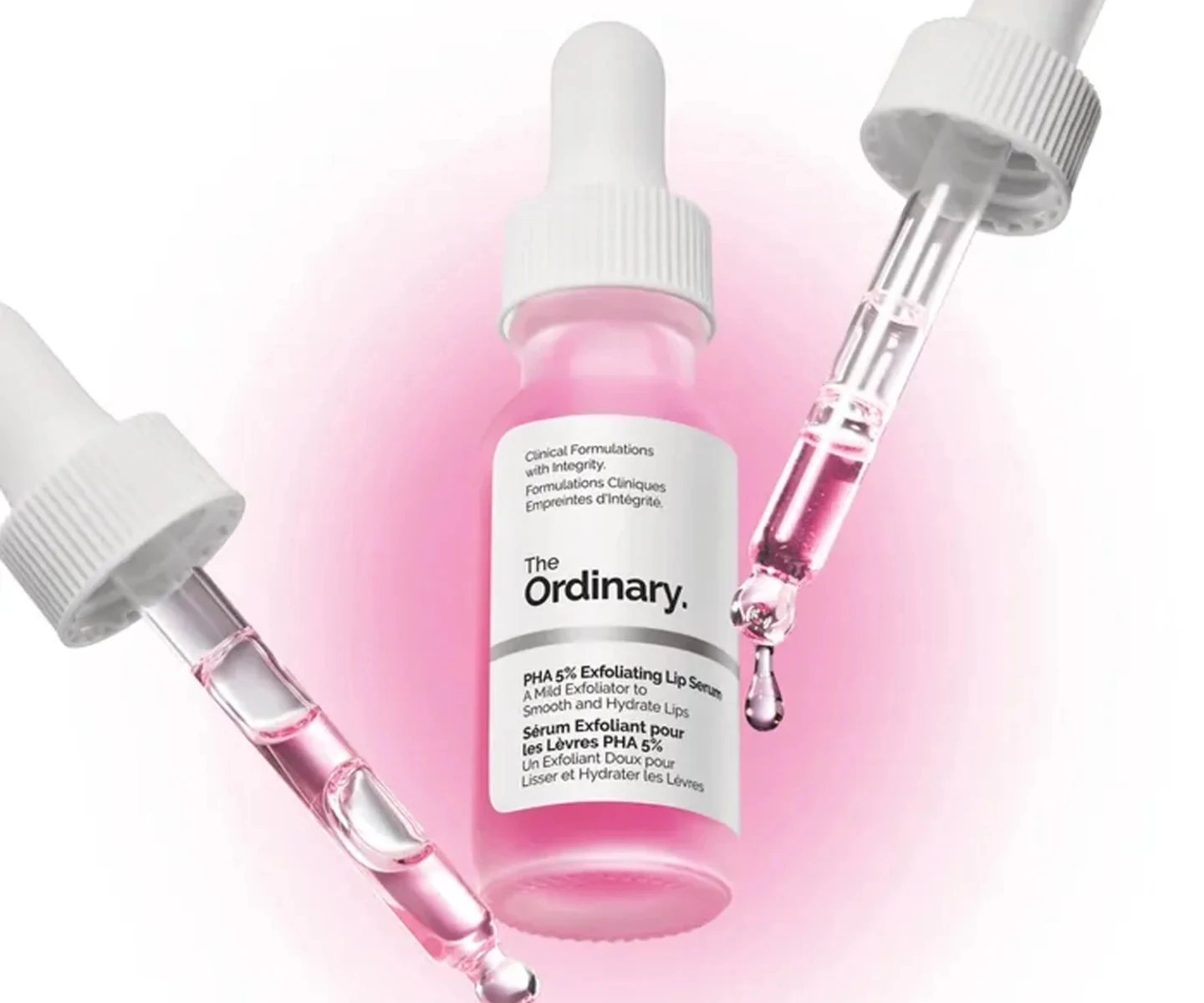
A quiet overachiever that transforms your lips while you sleep.
It’s a silky, slightly viscous serum that feels much more skincare than lip care. I found the serum to sink in beautifully without any stickiness or residue.
The hero ingredient is Gluconolactone (5%), a gentle PHA that exfoliates and refines texture over time. It works alongside Alpha Hydroxy Acids (1.5%), which promote subtle cell turnover for a smoother surface, and Glycerin (which makes up over half the formula) to lock in moisture. The addition of Black Carrot Extract gives a soft pink tint and antioxidant protection.
After a month of using it two to three evenings a week, the difference was notable. My lips felt softer, looked smoother and didn’t peel beneath lipstick the next morning (IYKYK).
The formula melts in quickly, leaving a hydrated plush finish. The Ordinary suggest some tingling upon first few applications, but I didn't notice anything myself. The formula is designed to be fragrance-free (my preference), non-abrasive and unlike most scrubs, mess-free.
I didn't think I needed to exfoliate lips but honestly, the extra step has proven to be truly worthwhile. The buttery smoothness and improvement to flakiness has made me enjoy my lips (and lip glosses) so much more.
Now, because we are all BIG, BIG The Ordinary fans at Adore Beauty, our Senior Beauty Editor Sadaf gave this one a road test too. Here are her thoughts....
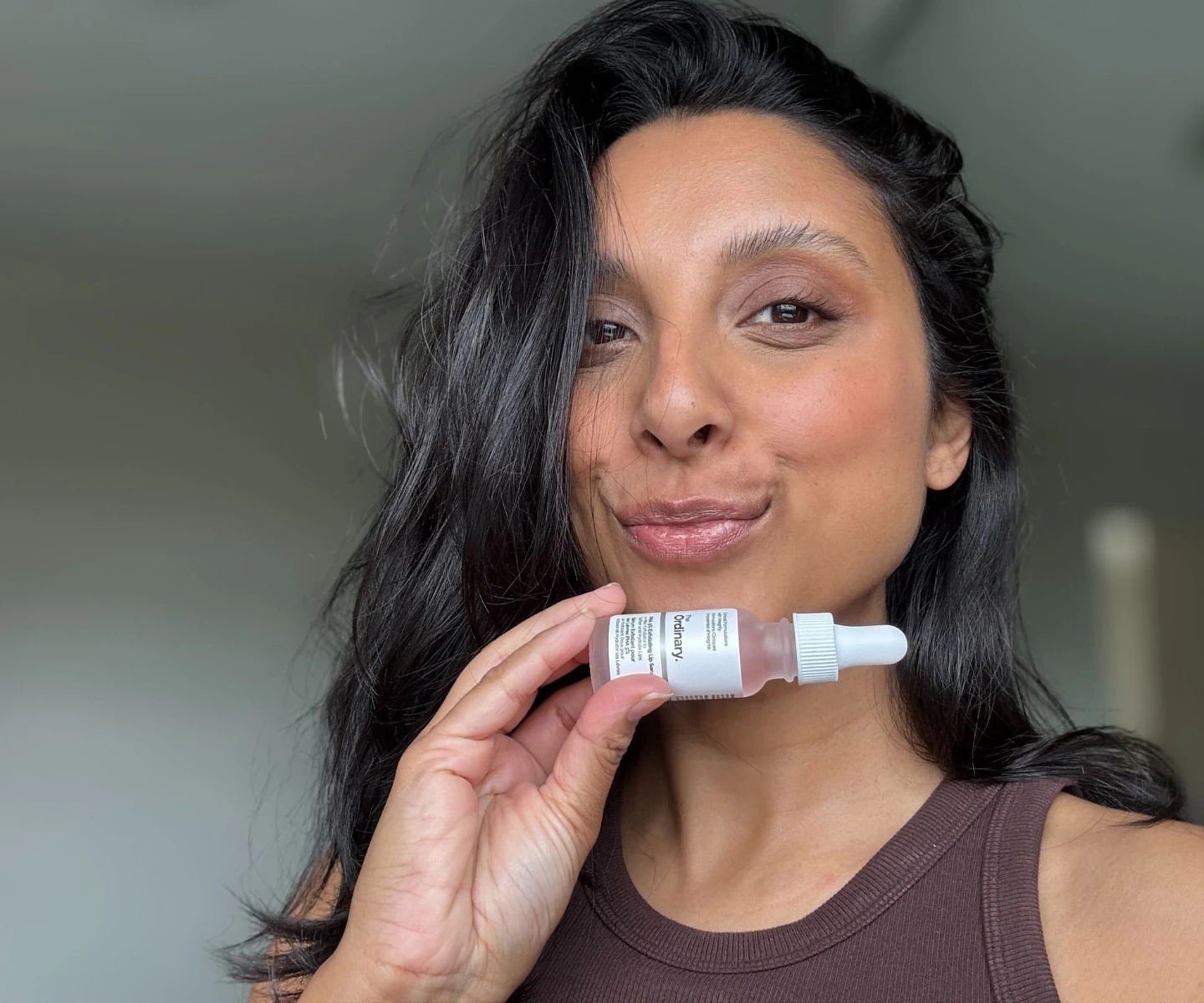
"As someone with chronically dry lips, any product (especially one this affordable) is always a welcome in my routine. I’ve only been trying the new Ordinary lip exfoliating serum for a few nights, but I have noticed my lips looking a little smoother especially when I apply my lip balm the next day.
I look forward to trying it for a little longer to see if it can help with the feathering I often get on my lips, which I'm hopeful for after reading the impressive ingredient profile." - Sadaf Razi
How to use an Exfoliating Lip Serum
Apply a thin layer to clean, dry lips in the evening and let it absorb overnight.
There’s no need to rinse; it’s designed to work as you rest. You can follow with a nourishing balm if your lips need extra comfort.
You mat experience a mild tingle at first (that’s the acids getting to work) but nothing uncomfortable. Always pair with a lip SPF during the day to protect your newly refined skin.
For more of our favourite lip products, check out the BIQ articles below: