I Asked an Expert What Skincare I Can and Can't Use While Pregnant

Erin Cook is a beauty and lifestyle journalist who has been slinging words for magazines, such as marie claire, ELLE, Harper’s BAZAAR, Cosmopolitan and Body+Soul, for the better part of a decade. As part of this role, she's had the pleasure of interviewing countless experts, such as dermatologists, trichologists, makeup artists and brand founders, to get their two cents on the latest beauty trends or to answer consumer questions. She loves a good hyaluronic serum, tinted moisturiser or glossy lipstick almost as much as she loves her cats. Almost.
Top Insights From This Guide
- Stop all retinoids, including retinol and tretinoin, for the duration of pregnancy
- Avoid hydroquinone and formaldehyde or their releasers while pregnant
- Use hyaluronic acid, vitamin C and peptides for hydration, brightening and anti-ageing
- Limit benzoyl peroxide to up to 5% and consult your healthcare provider first
- Keep glycolic acid under 10%, azelaic up to 20% and kojic at or below 1%
Read on for a simple pregnancy-safe routine, gentle product examples and practical label checks so you can swap risky actives for safe alternatives. If in doubt about a specific product or strength, check with your GP or obstetrician before use.
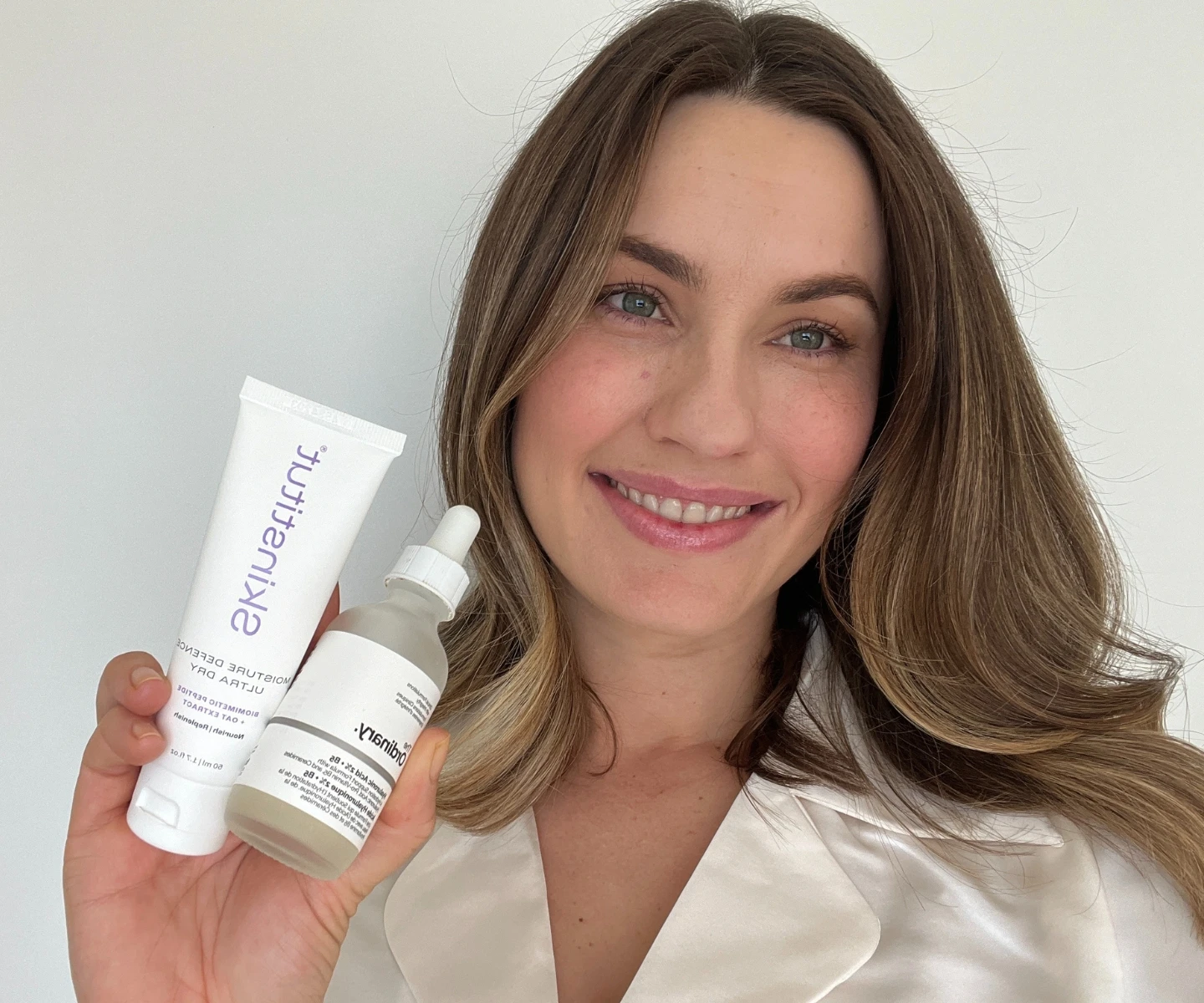
Are you pregnant? First of all, congratulations. Second of all, if you’re feeling confused about what skincare you can and can’t use during the course of your pregnancy, you’re not alone.
The internet has brought us a lot of great things, like the sunset blush trend and this meme, and means we always have an abundance of information at our fingertips.
However, more does not always equal more when it comes to advice. For many pregnant women, a quick Google search of “what skincare to avoid when you’re pregnant” can lead to more questions than answers.
Sound familiar? Thought it might. Because being pregnant myself, this is the exact situation I found myself in approximately 10 minutes after I took an at-home pregnancy test that showed up as positive.
To help cut through the noise, we’ve called in the experts.
One expert, actually…. Dr Amy Chahal is a cosmetic doctor and the founder of The Centre for Medical Aesthetics (TCMA) where she spends her days advising men and women (including pregnant women) on how they can achieve their skin goals.
Here, Dr Chahal shares her two cents on the ingredients that are considered pregnancy safe and the ones that should be saved for later. (It goes without saying that this is general advice… If you’re unsure about anything, speak to your GP or healthcare professional.)
Pregnancy Safe Skincare: What’s In and What’s Out.
Ingredients To Avoid During Pregnancy:
Time to do an audit and step away from the following…
Retinoids (including retinol and other vitamin A derivatives): This might be the hardest to hear but unfortunately, Dr Chahal advises that all forms of retinoids should be avoided for the duration of your pregnancy.
“Retinoids, including retinol and tretinoin, are renowned for their anti-ageing properties,” she says. “However, high doses of vitamin A may be harmful." *Always consult with your healthcare provider for further guidance.
Salicylic acid: “While salicylic acid is excellent for treating acne, try using products with lower concentrations or safer alternatives like glycolic acid or lactic acid to keep your skin clear.”
Hydroquinone: A skin-lightening agent, hydroquinone is commonly used to treat pigmentation, acne scars or freckles, and can be found in serums and creams. If you’re pregnant, leave these products on the shelf for the time being.
“Due to its high absorption rate, hydroquinone should be avoided during pregnancy. Consider natural brighteners like vitamin C or niacinamide instead.”
Formaldehyde: “Used as a preservative in some beauty products, formaldehyde is a known carcinogen and can be harmful during pregnancy. Avoid products with formaldehyde or its releasers like DMDM hydantoin and quaternium-15.”
Pregnancy-Safe Ingredients.
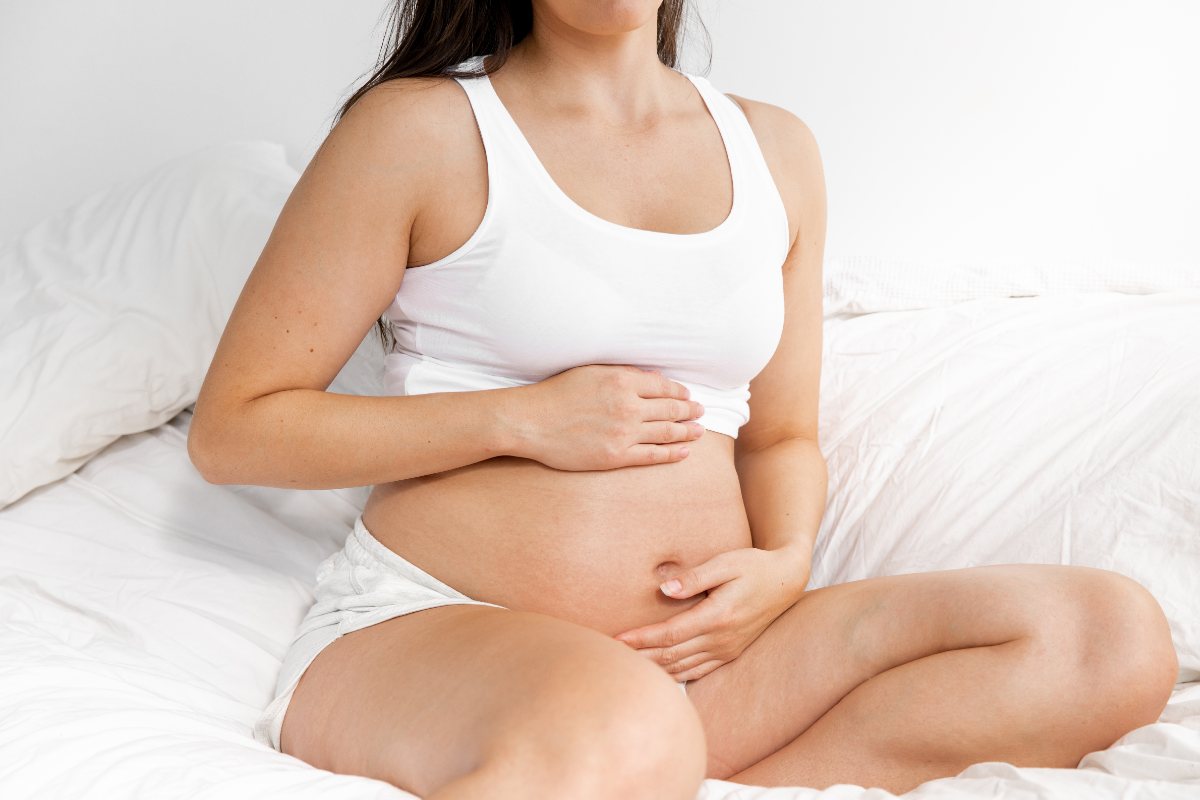
The good news? There are plenty of ingredients that have made their way onto the ‘nice’ list.
As a rule, it’s best to look for gentle, fragrance-free and hypoallergenic products to support your skin during pregnancy.
Hyaluronic acid, vitamin C and peptides: For most, these ingredients will become your BFF for the course of your pregnancy.
Dr Chahal shares: “Ingredients like hyaluronic acid for hydration: thinkSkinCeuticals Hyaluronic Acid Intensifier and vitamin C for brightening, thinkSkinCeuticals C E Ferulic Serum - 30ml plus peptides for anti-ageing are generally considered safe.”
Ingredients That Can Be Used In Low Concentrations.
There are some ingredients that come with an asterisk. Dr Chahal advises that these can be used in low concentrations.
If you’re not confident in reading the label of a product or unsure of how strong it is, always consult a healthcare professional before proceeding. Promise?
Benzoyl peroxide: “Benzoyl peroxide is a common acne treatment,” Dr Chahal says. “While it is generally considered safe in low concentrations (up to 5%), it’s always best to consult with your healthcare provider before using it, especially in higher concentrations.”
Glycolic acid: “This popular alpha-hydroxy acid (AHA) is used for exfoliation. Glycolic acid can be used during pregnancy in lower concentrations (less than 10%). Higher concentrations should be avoided due to the potential for increased skin sensitivity and absorption.”
Azelaic acid: “Azelaic acid is another acne treatment that can also help with hyperpigmentation. It is generally considered safe during pregnancy, but sticking to lower concentrations (up to 20%) is advisable.”
Niacinamide: “Niacinamide is a form of vitamin B3 that’s great for brightening and anti-inflammatory purposes. It is generally considered safe, but using it in lower percentages (around 5%) can help avoid any potential irritation.”
Kojic acid: “Used for treating pigmentation, kojic acid is considered safe in low concentrations (up to 1%). Higher concentrations should be used cautiously as they can lead to skin irritation.”
My Pregnancy Skincare Routine.
I’ve been on a journey of my own over the past eight-ish months to find a new skincare routine that will keep my skin feeling happy, healthy and hydrated while steering clear of any ingredients that fall into the questionable category.
Is my skincare routine going to be the right skincare routine for you? Maybe… but also, maybe not.
One of the joys of pregnancy is that it can affect skin in a myriad of different ways.
For me, my main concerns are that my skin has become incredibly dry (we’re talking Sahara Desert levels of dry that I didn’t know were possible) and very sensitive to products and ingredients I once loved.
With that in mind, here’s what I’ve settled on.
Cleanser:
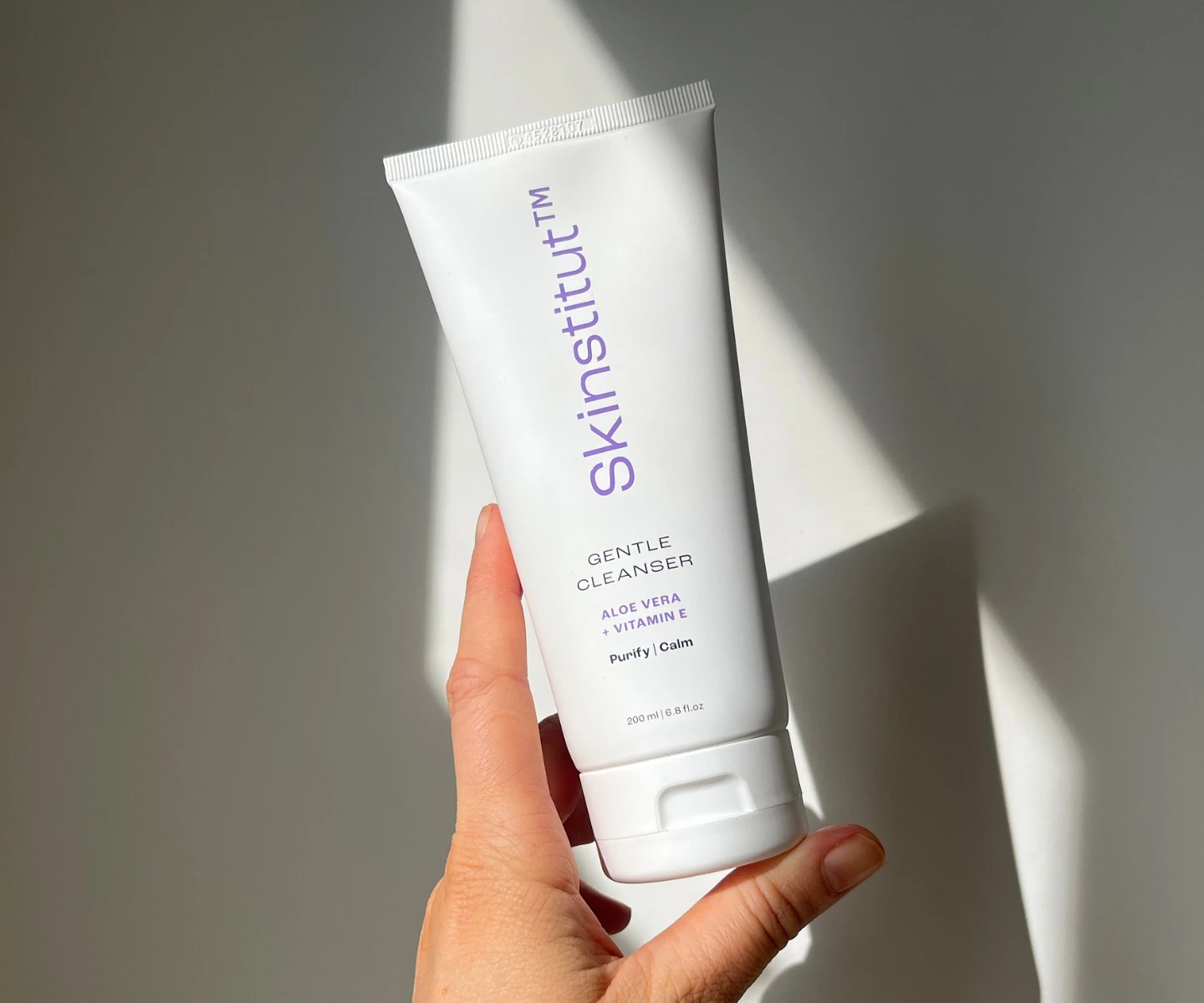
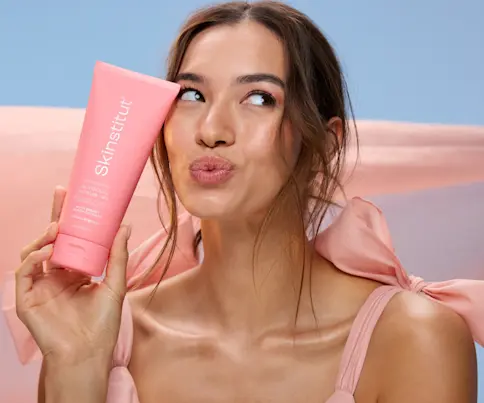
I haven’t always been a Skinstitut girlie but as you’ll see, I’ve recently found myself gravitating towards the gentle products in its range.
Case in point: Skinstitut Gentle Cleanser 200ml. It’s super nourishing, lightly foams, does what it says it’ll do and doesn’t strip skin.
Serum:
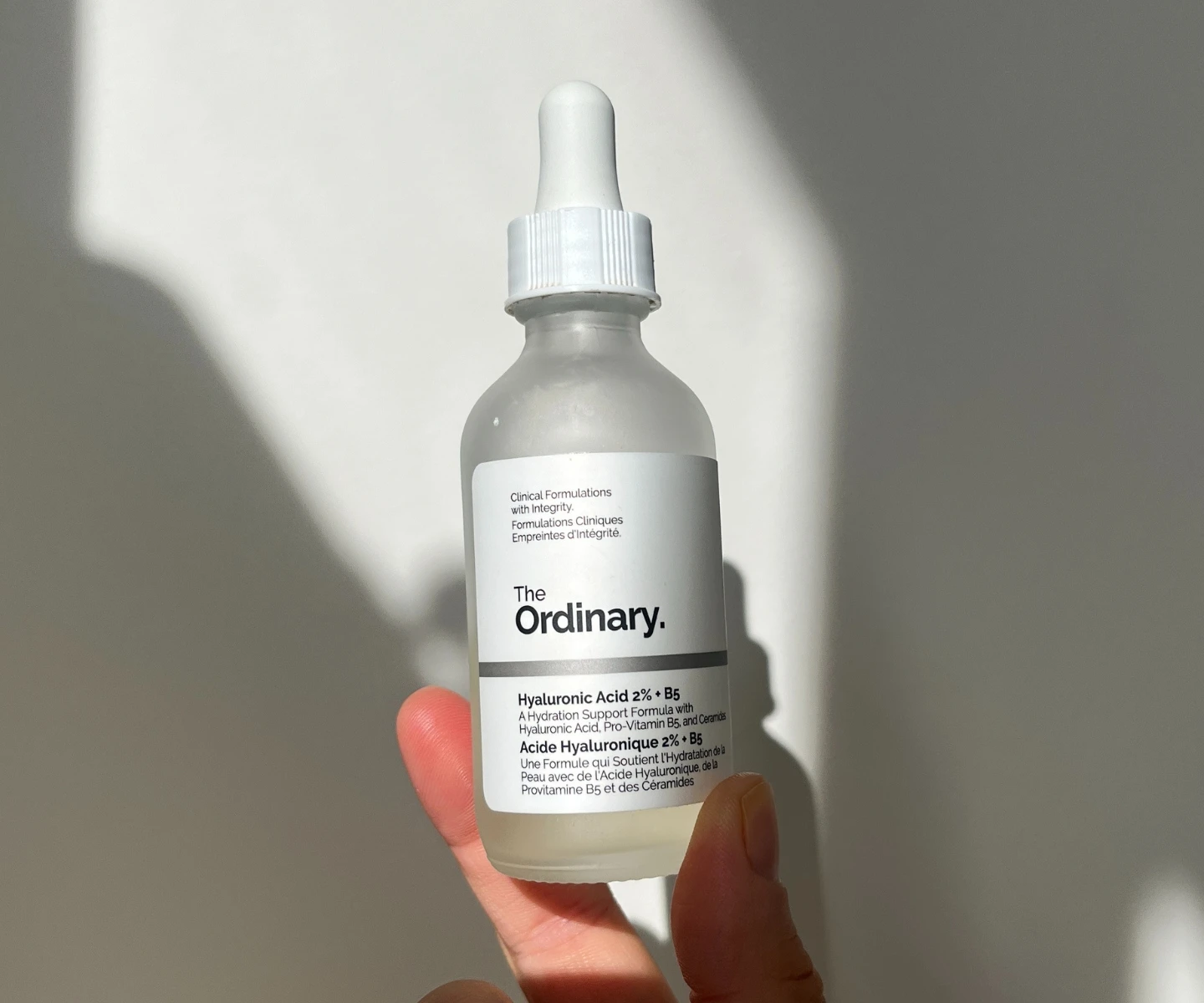
My skin loves hyaluronic acid, so I’ve always rotated The Ordinary Supersize Hyaluronic Acid 2% + B5 - 60ml in and out of my skincare routine.
But now, I’m finding that it’s doing the most and I can’t live without it.
Applied to damp skin, this serum really helps put the moisture back in my skin post-shower. I recently upgraded to the supersize 60ml version so that I don’t run out as often.
Moisturiser:
Prior to pregnancy, I loved a gel-cream moisturiser. Now? Ha! Gel-creams can step aside because they are not cut out for this so-dry-it’s-itchy complexion.
I stumbled across the Skinstitut Moisture Defence - Ultra Drya few months ago and am already onto my third tube.
It’s ultra-nourishing but sinks into skin and contains anti-inflammatory ingredients to help relieve irritation.
Face Oil:
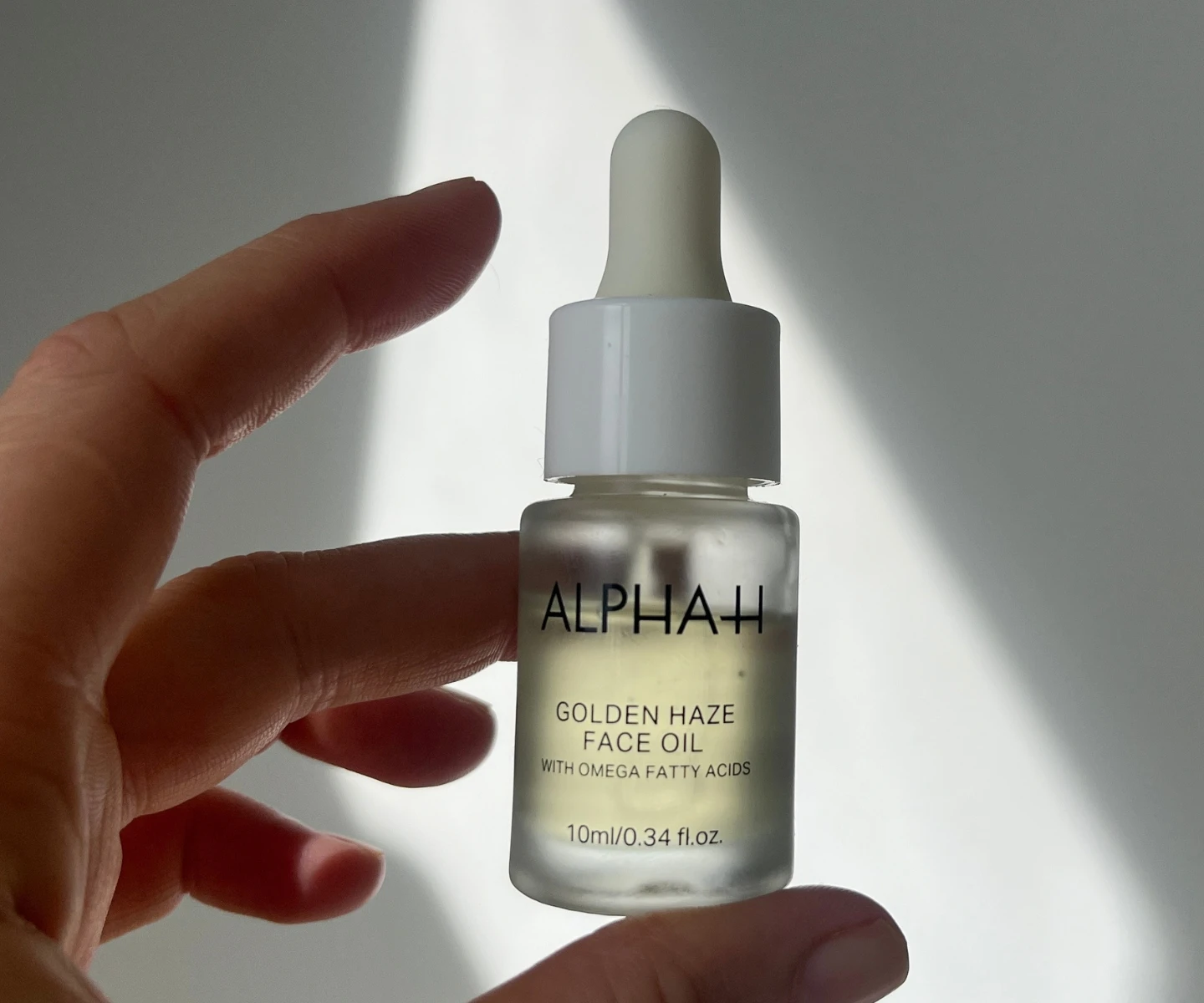
Sometimes, even Adore Beauty’s most hydrating moisturiser isn’t enough.
On these evenings, I add a few drops of the Alpha-H Golden Haze Face Oil 25mlto my moisturiser and mix the two together before patting onto my skin.
This face oil contains a whole bunch of oils (camelia seed, watermelon seed, jojoba and squalane to name a few…) and is rich enough to plump skin but lightweight enough to absorb straight away.
Sunscreen:
Sunscreen is always a good idea… However, it’s particularly important during pregnancy when sun exposure can trigger or exacerbate hyperpigmentation.
Right now, my skin is too sensitive for chemical-based formulas which have been making me break out, so I’ve switched to physical mineral-based sunscreen instead.
Bondi Sands Sunny Daze SPF 50 Moisturiser 50g works for me and is wallet-friendly, as well as Beauti-fltr Lustre Mineral SPF 50+.
They are both on the thicker side and need a little extra effort to rub in; however, it’s worth it to avoid aggravating my complexion with chemical filters.
Weekly Treats:
Did I mention my skin was dry? Because it is. (Like so, so dry.)
Sometimes, if I’m heading out somewhere and I want to feel nice, I’ll apply a Skinstitut sheet mask, which contains honey and niacinamide, to plump skin.
It only takes 15 minutes and gives my complexion a little extra somethin’ somethin’
*Editor's note: Unfortunately, this sheet mask is so popular it sold out! Don't fear, we have plenty more where that came from. Peruse our other sheet masks here.
Finally...
If you got to the end of this article, well done and thanks for reading. I hope you feel a little less confused than you did before!
Want more expert skincare advice and helpful recommendations? Check out these BIQs next: