7 Azelaic Acid Mistakes You're (Probably) Making, According to Experts

Juna Xu is a freelance writer and journalist with over 11 years of experience covering beauty, fashion, lifestyle, interiors and health. Her work has appeared in publications including Adore Beauty, Body+Soul, Mamamia, News.com.au, Who, marie claire and ELLE Australia. Alongside running her own e-commerce interiors business, Juna has a not-so-secret obsession with skincare (especially K-beauty, which she proudly admits is her ultimate addiction).
Azelaic acid calms redness, clears congestion and fades pigmentation, but small mistakes can stop it working. Two experts explain the seven most common slip-ups, from over-layering with strong actives to skipping moisturiser, plus how to use it for clearer, more even skin.
Key takeaways from this article
- Azelaic acid is a slow burn, so give it 8 to 12 weeks of consistent use
- Do not layer it with strong AHAs, BHAs or retinol at the same time
- Use the moisture sandwich and start a few nights a week to avoid irritation
- Pause it for a few days after peels, laser or microneedling treatments
- Prescription strengths run 15 to 20%, while OTC formulas sit at 5 to 10%
Backed by aesthetic practitioner Alex Pike and dermatologist Dr Ritu Gupta, this guide helps you get the most from azelaic acid without wrecking your barrier. It also rounds up beginner-friendly picks, so you can match the right formula to your skin and experience level.
If skincare ingredients had personality types, azelaic acid would be the calm, quietly confident one in the corner who fixes problems without making a fuss about it.
Once a little-known prescription ingredient, it’s now having a major main-character moment. Dermatologists love it, TikTok can’t stop talking about it, and skincare shelves everywhere (including my shelfie) are starting to look incomplete without it.
So what exactly does it do? Well, a lot. This multitasking acid helps to reduce redness, clear congestion, fade pigmentation and even out skin tone. And guess what? It does all of this without the sting or stress that usually comes with heavy-hitting actives.
But (yes, there’s a but), even the most well-behaved ingredients can go rogue when used incorrectly. From over-layering to skipping the sandwich technique, there are a few common mistakes that could be stopping your azelaic acid from doing its finest work.
To get to the root of it (and save your skin barrier some drama), we spoke to aesthetic practitioner Alex Pike (RN) and dermatologist Dr Ritu Gupta about the most common azelaic acid mistakes — and what to do instead.
Azelaic Acid Mistake #1: Expecting overnight results
This is probably a given but… “One of the biggest mistakes is layering too many strong products at once or expecting overnight results,” says Pike.
Unlike exfoliating acids or retinoids that show quick turnover, azelaic acid plays the long game. It’s subtle, reliable and focused on results that last.
“Azelaic acid is not a quick-fix ingredient,” Pike reiterates. “With regular use, some people report their complexion looks clearer and more even in appearance.”
Bottom line: Be consistent, stay patient and pretty please resist the urge to overdo it.
Azelaic Acid Mistake #2: Layering it with too many actives
Avoid layering it directly with strong AHAs or BHAs.
Yes, azelaic acid can coexist with others, but just not everyone at the same time. Retinol, strong AHAs and exfoliating acids can compete with it and push your barrier too far.
“It’s generally fine with widely used ingredients such as niacinamide or vitamin C,” says Pike, “but I advise patients not to overload their skin with multiple strong actives at once.”
So, check your formulations, simplify your stack and remember to introduce one new active at a time, giving your skin space to adjust.
Azelaic Acid Mistake #3: Skipping the moisturiser buffer
Even though azelaic acid is considered gentle, it can still cause tingling or dryness — especially if you’re new to it. So, it’s a very good time to put the ‘moisture sandwich’ technique (moisturiser, azelaic acid, moisturiser) to good use, especially for sensitive skin peeps. This is because applying moisturiser before or after (or both) can help buffer the formula and prevent sensitivity.
“The key to tolerance is barrier support,” advises Dr Gupta. “If your skin feels tight, stings or peels, you may be overdoing it or skipping hydration where it’s most needed.”
Pike adds, “Start with just a few nights a week, always follow with moisturiser and increase frequency gradually.”
Azelaic Acid Mistake #4: Using it right after in-clinic treatments
If you’ve just had a peel, laser or microneedling session, park your azelaic acid for a few days. Post-treatment skin is already vulnerable, and piling on actives (even gentle ones) can cause irritation or redness.
“On days when patients are having professional treatments, I suggest keeping the routine very minimal — cleanse, moisturise, SPF,” advises Pike.
Azelaic Acid Mistake #5: Thinking it’s only for acne
Azelaic acid is best known for calming congestion and breakouts, but that’s just one of its talents. It also helps refine texture, fade pigmentation and even out tone, making it a quiet powerhouse for all skin types, including sensitive or redness-prone skin (I can personally vouch for this).
“Ingredients like azelaic acid are often included in skincare routines for those seeking a clearer-looking complexion,” says Pike. “It’s versatile and generally well tolerated, which is why it’s gained popularity among both patients and professionals.”
Azelaic Acid Mistake #6: Ignoring the formulation
Not all azelaic acid products are created equal. Prescription creams usually contain 15–20 per cent concentrations, while over-the-counter versions tend to sit around 5–10 per cent.
“Tolerance depends as much on formulation as concentration,” says Dr Gupta. “Certain professional systems are designed to cleanse and condition the skin so that active ingredients like azelaic acid may be easier to integrate.”
If you’re new to the ingredient, start low and slow. Look for formulas that pair azelaic acid with hydrating or soothing ingredients, like niacinamide, panthenol or hyaluronic acid, for extra comfort.
Azelaic Acid Mistake #7: Giving up too soon
Repeat after me: Stick! With! It!
When used consistently (ideally alongside sunscreen and a balanced routine), azelaic acid can visibly reduce redness, fade dark spots and keep congestion at bay.
“Results come from consistency and patience,” emphasises Dr Gupta. “We often remind patients that skincare actives are long-term partners, not one-night fixes.”
Commit to using it for at least 8–12 weeks before judging the results. Over time, you’ll likely notice calmer skin, fewer breakouts and a more even, glowy tone. “With regular use, many people notice their complexion appears clearer and more even,” adds Pike.
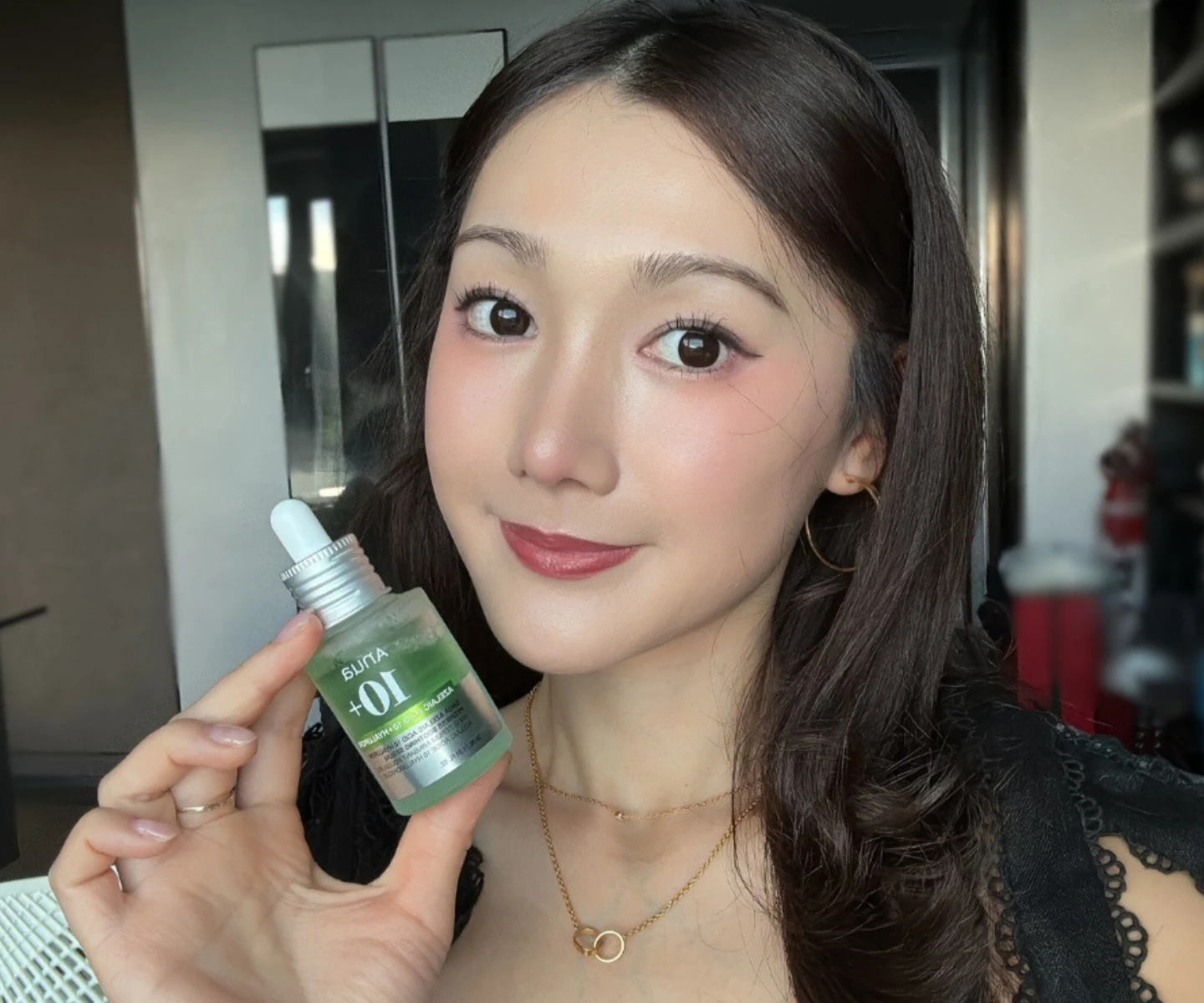
Shop Best Azelaic Acid Skincare Picks: Anua Azelaic Acid 10 Hyaluron Redness Soothing Serum
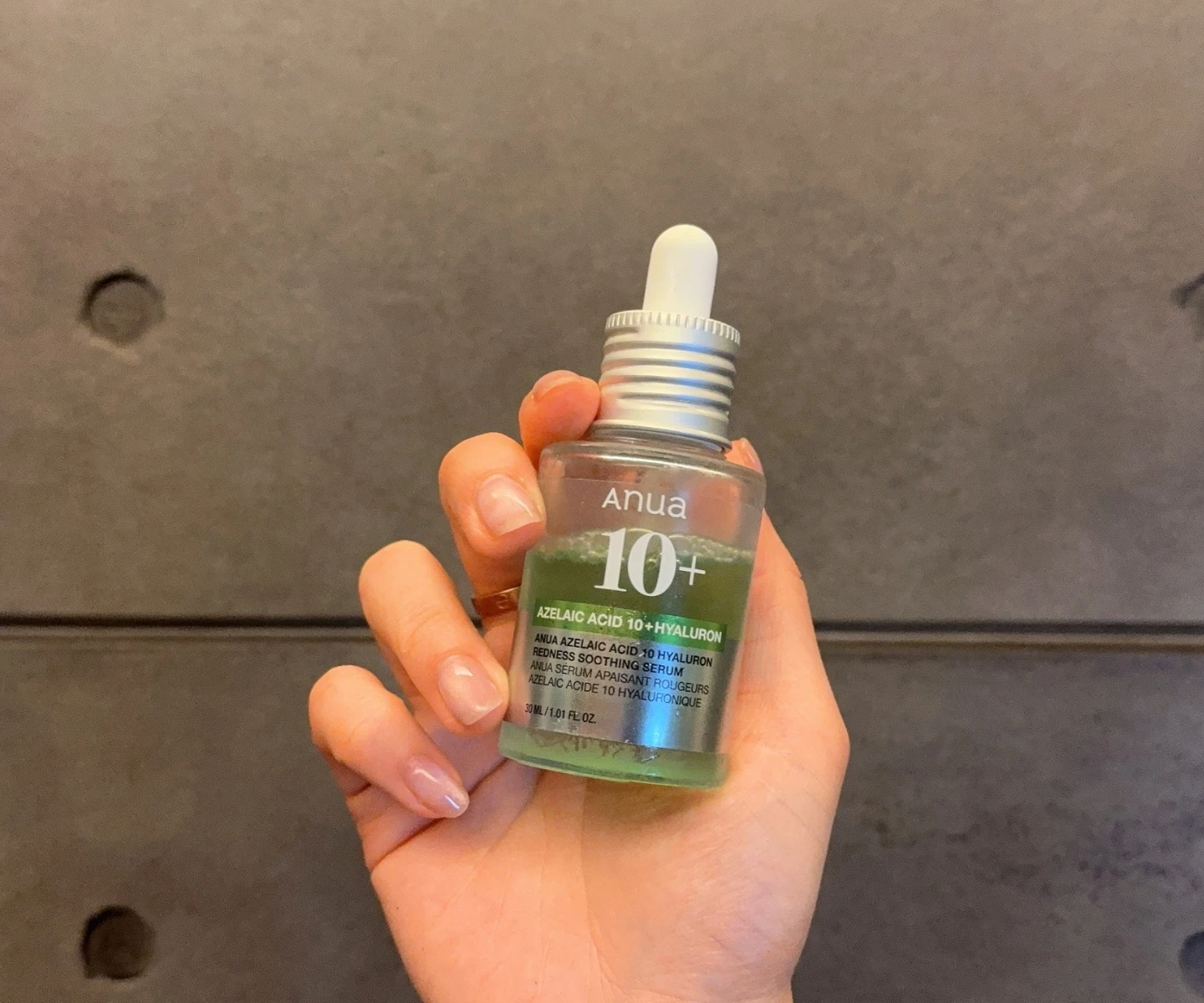
Korean skincare prioritises seriously gentle formulations that actually work, so if your skin leans sensitive or reactive, this serum from K-beauty brand Anua is your azelaic acid training wheels. It pairs 10 per cent azelaic acid with hyaluronic acid and panthenol to keep the skin hydrated and calm while gently targeting redness, uneven tone and mild congestion. The lightweight, serum-style texture makes it perfect for beginners. It also comes in a toner pad format, which is just as good.
La Roche-Posay Effaclar A.Z. Gel Cream
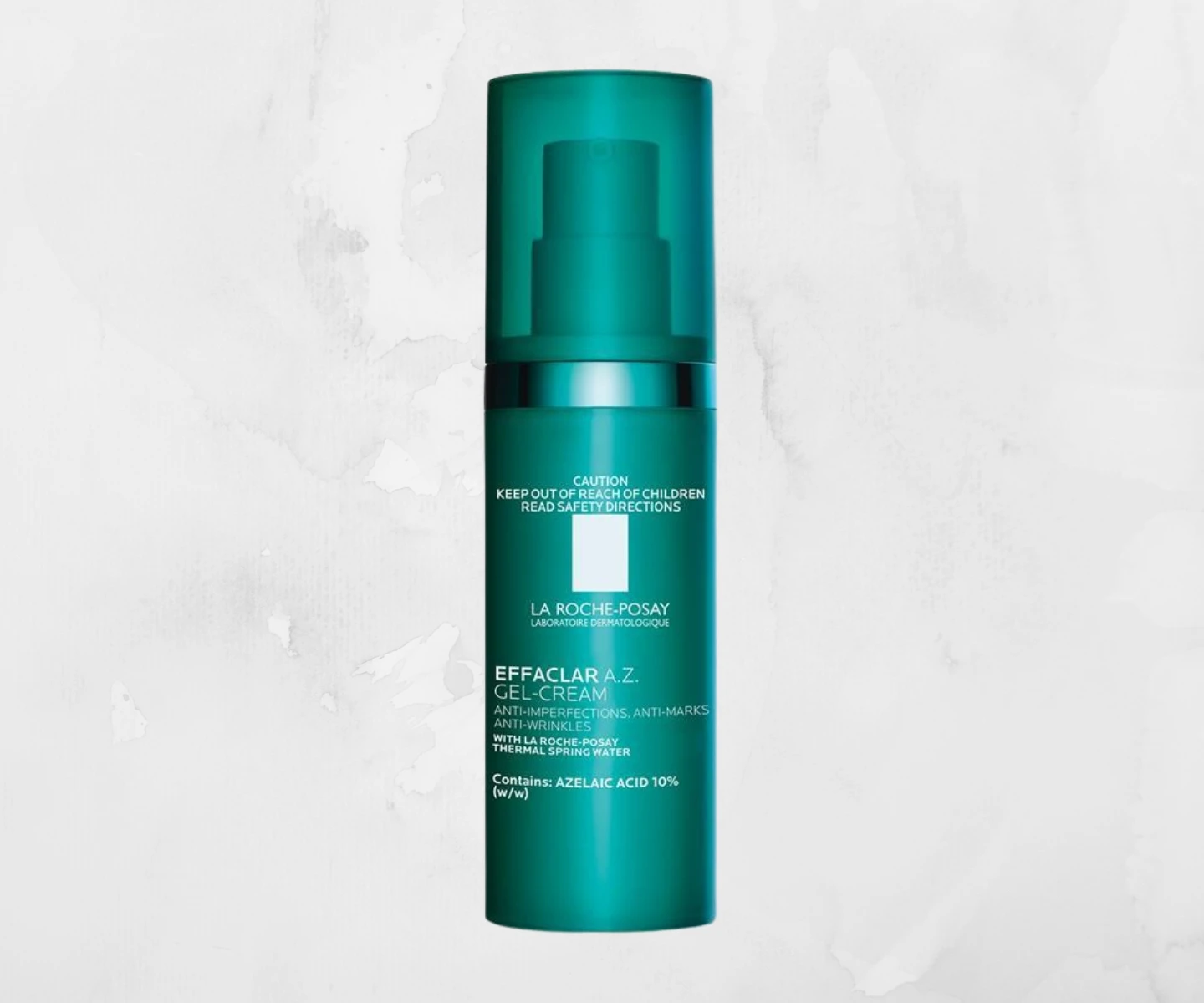
From one of our favourite dermatologist-approved brands comes this non-sticky gel cream that’s great for oily, blemish-prone or easily congested skin. It’s bolstered with niacinamide, thermal spring water and hydrating humectants to calm inflammation and reduce post-breakout marks. It’s gentle enough for daily use and beginners, yet effective enough for those who’ve already dabbled with actives.
The Ordinary Azelaic Acid Suspension 10%
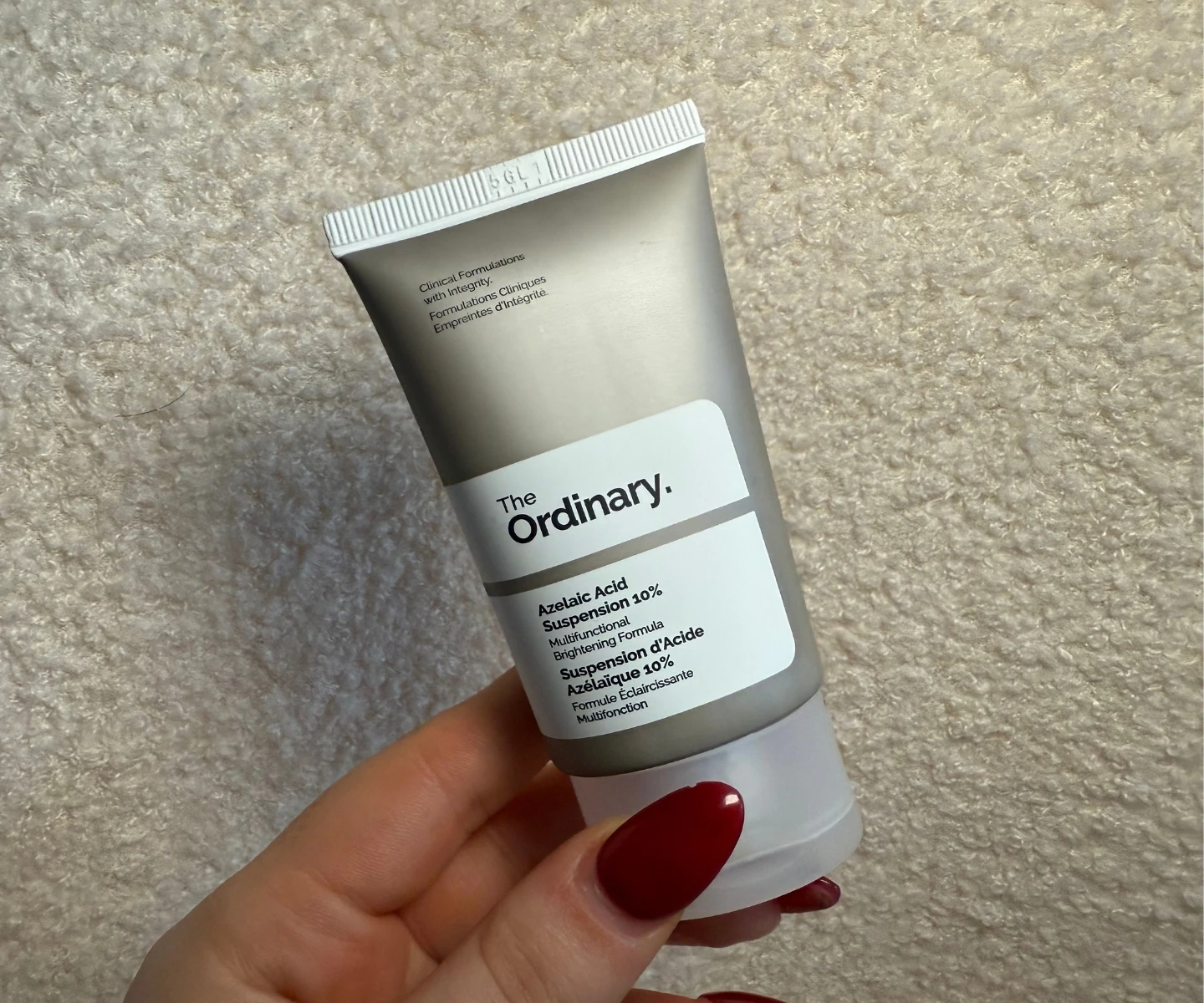
At just $19.40 a pop, this affordable hero delivers 10 per cent pure azelaic acid in a creamy, silicone-based formula that smooths uneven texture and brightens dullness. It’s a great all-rounder for anyone tackling pigmentation, mild acne or redness.
While the texture can feel a little matte at first, I urge you to persist — it layers beautifully under moisturiser or SPF. Because the azelaic acid isn’t paired with many soothing ingredients, this formula is best suited to intermediate users or those already comfortable using other actives.
K-Beauty lover? Here are some other Beauty IQ articles to keep you busy...