How Summer Heat Can Affect the Skin

Yads Cauchi is a Dermal Clinician, Nutritionist (BHSc, MSc) and Beauty Journalist. She's also a mum of four. Evidence based skin health and nutrition are her thing and she works from her own skin clinic based in Canberra - you can find her there, or on Instagram and TikTok @yadscauchiskin.
Summer heat commonly worsens melasma, boosts sebum, dehydrates skin and increases facial redness, according to Canberra dermal clinician and beauty journalist Yads Cauchi. You’ll learn how to spot each summer skin issue and which ingredients and products help, from salicylic acid and hyaluronic serums to tyrosinase inhibitors and daily broad spectrum SPF.
Top Insights From This Guide
- Use salicylic acid cleansers (Cosmedix Clarify or Alpha-H Clear Skin Tonic) to cut summer oil.
- Wear broad spectrum SPF daily and add kojic, tranexamic acid or alpha arbutin for melasma.
- If skin feels tight, add a hyaluronic serum such as PCA Skin Hydrating Serum 29.5g.
- Limit heat exposure and hot saunas, pause intense workouts, and wear SPF and a hat.
We know that UV exposure is not great for our skin - and staying out of the sun can help prevent a whole heap of skin concerns.
However, have you ever gone away and tried your hardest to be your best SPF BFF, only to come home with pigmentation that somehow seems … worse?
Or maybe you were sure your skin was going to radiate all summer long, but then it chose to dehydrate instead?
Well, it could be the heat.
You see, heat can affect the skin in so many ways and worsen skin concerns for some.
How? Below are some of the most common issues that I tend to see in clinic over the warmer months.
From melasma to increased redness, here's how to mitigate some of the most common issues your skin can experience over summer.
Increased Oil Production/Pore Concerns.
Oilier skin types will know the less is more drill if they’re planning to holiday in a warmer climate, although an increase in sebum (oil) production when it’s warmer can affect anyone, because heat can increase the skin’s oil production, which means that it can lead to an increase of clogged pores and/or breakouts (especially if you’re not removing our SPF/makeup properly.)
Excess oil can also increase the appearance of pores, which for many is already a concern.
To control oil production in the summer this is where incorporating an ingredient like salicylic acid into your routine can come in handy.
Salicylic acid is a chemical exfoliant but it is one that is great at treating acne and controlling oil production in the skin.
Try: Cosmedix Clarify Salicylic Acid Foaming Cleanser or Alpha-H Clear Skin Tonic 100ml both gentle salicylic acid chemical exfoliants, that can be added into your routine slowly - and when needed.
Melasma (And Other Forms of Hyperpigmentation).
If you have melasma you’ll know that heat is a major contributing factor to worsening the appearance of it.
Melasma is a hormonal form of pigmentation that tends to appear as blotchy brown patches on the face.
It appears with an increase in hormones, during pregnancy, or is induced by UV exposure; and heat is also a common trigger for melasma as it increases vasodilation (which is the dilation/widening of blood vessels).
However, sun exposure on its own is a major trigger as well.
Moral: fighting pigmentation takes a lot of work and staying out of the sun/reducing sun and heat exposure is key.
In addition, I’d also be wearing a broad spectrum SPF every single day and including tyrosinase inhibiting ingredients such as kojic acid, tranexamic acid, alpha arbutin and/or vitamin C and A in your routine.
Try: SkinCeuticals Phloretin CF this is a potent antioxidant serum, and also the main C in the Skinceuticals range that is focused on addressing pigment concerns.
The Medik8 Crystal Retinal range is also a great vitamin A starting point.
Dehydration.
Fun fact: heat increases water loss!
So while yes, I always see dehydration in clinic during the cooler months - it’s honestly just as common during the warmer months.
Especially if you are working/living with the air conditioning on all day.
Dehydration is not a skin type but more of a skin concern. It tends to happen when our skin lacks water which often leads to a tight feeling in the skin.
If your skin is feeling a little tight and as though it could do with a little more hydration, it’s definitely worth adding a hyaluronic acid serum into your routine.
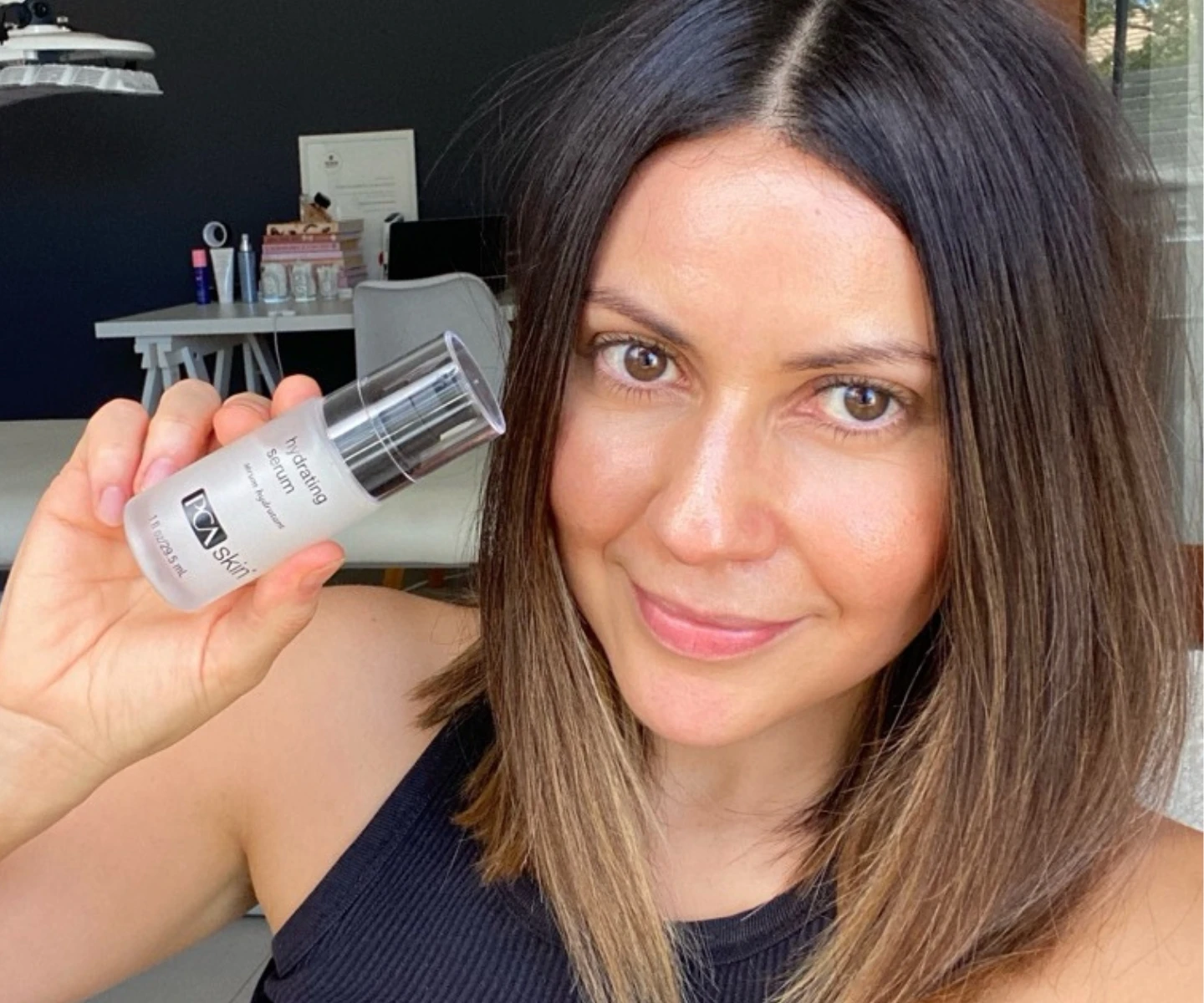
Try: PCA Skin Hydrating Serum 29.5g , this serum is like pulling out the big guns, but it is also formulated with niacinamide so it is both hydrating and repairing.
You could also try: using a hydrating mask like the Cosmedix Restore Moisture-Rich Mask which can be used for 5-10 mins or left on overnight. This one contains suuuuper gentle enzyme exfoliants too.
Increased Redness.
Are you prone to skin redness?
Perhaps you have visible telangiectasias (those fine red capillaries you might find on your face).
Heat can actually make them expand - and with that comes additional blood flow and ta-da our face can appear a little redder than normal.
And while, a little redness in the skin is very normal, if you are prone to skin redness through summer you may want to limit your time spent outdoors as well as time spent using hot saunas,or doing hot yoga/high energy workouts.
Also a broad spectrum SPF and a hat for extra skin protection is non-negotiable.
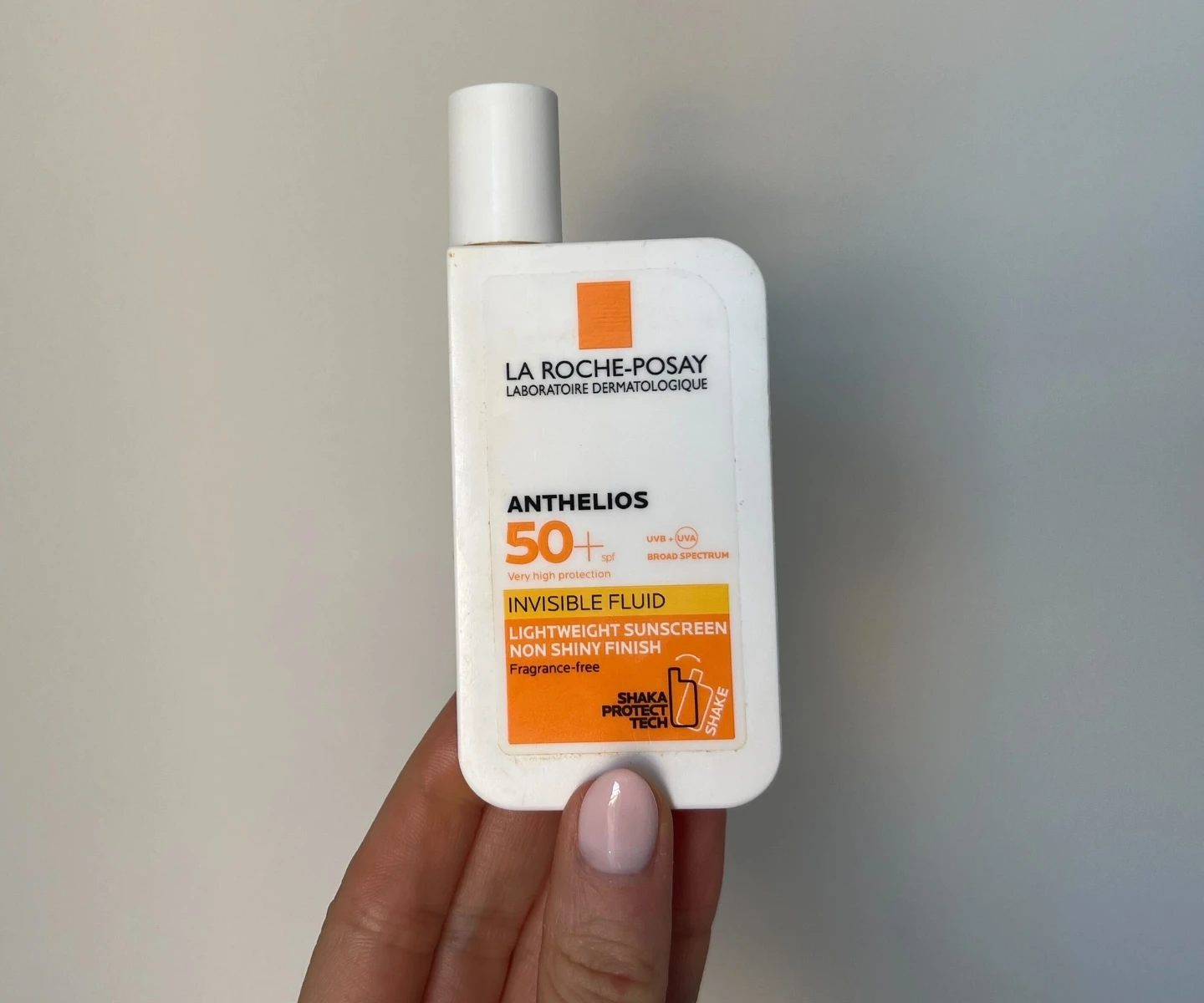
Try: La Roche-Posay Anthelios Invisible Fluid Facial Sunscreen SPF 50+ - a super lightweight broad spectrum sunscreen and it doesn’t feel heavy on the skin.
Keen for more expert tips from Yads? Check out these BIQs: