The 9 Retinol Mistakes You’re (Probably) Making, According to Experts

Sukriti Wahi is a journalist, copywriter and editor with a background in luxury fashion magazines. Covering everything from trending skincare to slow travel, her bylines have featured in the likes of Harper’s BAZAAR, ELLE, Marie Claire and Refinery29. Outside ‘magland’, she previously helmed editorial content for Aje and Stylerunner. These days, she divides her time between writing, dance classes and her six-step hair care routine (flow charts may or may not be involved).
Retinol is a potent vitamin A retinoid that boosts collagen and evens texture, but to see results you should start low and be patient — begin at 0.3%–0.5% on 2-3 nights a week and expect visible change in 3–6 months with collagen benefits up to 12 months. The piece outlines nine common mistakes and how to fix them.
Key Takeaways From This Article
- Start retinol 2-3 nights a week at 0.3%-0.5% and increase slowly.
- Apply only to clean, bone-dry skin; wait 5-15 minutes before moisturiser.
- Avoid AHAs, BHAs, benzoyl peroxide and high-dose vitamin C in the same session.
- Use retinol only at night and wear broad-spectrum SPF 50+ every day.
- Avoid topical retinoids during pregnancy; try bakuchiol or peptides instead.
If anything comes close to resembling a magic potion in real life, we dare say it might just be a retinol serum.
The most common form of vitamin A or ‘retinoid’ (the umbrella term for types of vitamin A in skincare), it’s widely considered one of the best ingredients for anti-ageing, and also offers a whole host of skin-loving benefits that go beyond that. Clinically proven to increase skin cell turnover, this little elixir hustles harder than Kris Jenner, working to reduce hyperpigmentation, increase collagen production, prevent and minimise wrinkles, improve skin texture and reduce breakouts, to name a few.
And while retinol is potent and, admittedly, pricey, it turns out many of us might not be getting the full bang for our hard-earned buck when it comes to this powerhouse active — thanks to some common mistakes we’re (probably) making.
So, to dive below the epidermis, if you will, we spoke to Dr. Amy Chahal, Medical Director and Founder of The Centre for Medical Aesthetics and FutureSkin, and Cosmetic Physician and General Practitioner, Dr. Prasanthi Purusothaman, to find out where we might be falling short in our retinol game.
Read on for all the retinol mistakes you might be making — and what to do instead.
Retinol Mistake #1. You’re going too strong, too soon
A bit like ‘love bombing’ your skin, there is such a thing as going too hard and too fast when introducing retinol to your routine.
“Retinol can irritate the skin if introduced too quickly, especially sensitive or melanin-rich skin,” says Dr. Prasanthi.
“Start 2–3 nights a week with 2–3 days off in between and gradually increase by one day per week as tolerated (‘low and slow’ is the rule). Buffer with moisturiser if needed. This is called the ‘sandwich technique’ (moisturiser, retinol, then another layer of moisturiser).”
As for what percentage of strength you should aim for? Echoing Dr. Prasanthi’s POV, Dr. Chahal recommends starting on the light side.
“[Avoid] going straight for 1% or prescription-grade. Start with 0.3%–0.5% twice a week, then graduate when your skin’s ready,” she adds.
Retinol Mistake #2: You’re layering on moisturiser too soon after applying retinol
Good skin results come to those who wait — certainly as far as retinol is concerned. Tempting as it can be to moisturise immediately after retinol so you can get to bed for your beauty sleep, or you know, keep scrolling (guilty), retinol needs a little time before the next layer to maximise its many benefits.
“Retinol needs a dry canvas to convert properly. Slapping moisturiser on immediately waters it down and can trigger pilling,” Dr. Chahal tells Beauty IQ. “Pat onto clean, bone-dry skin, wait 5–10 minutes, then seal with your night cream.”
Retinol Mistake #3: You’re applying it to damp or broken skin
Besides needing a dry canvas to be effective, applying it to damp skin not only doesn’t offer any benefits, but it can actually cause irritation, Dr. Prasanthi emphasises.
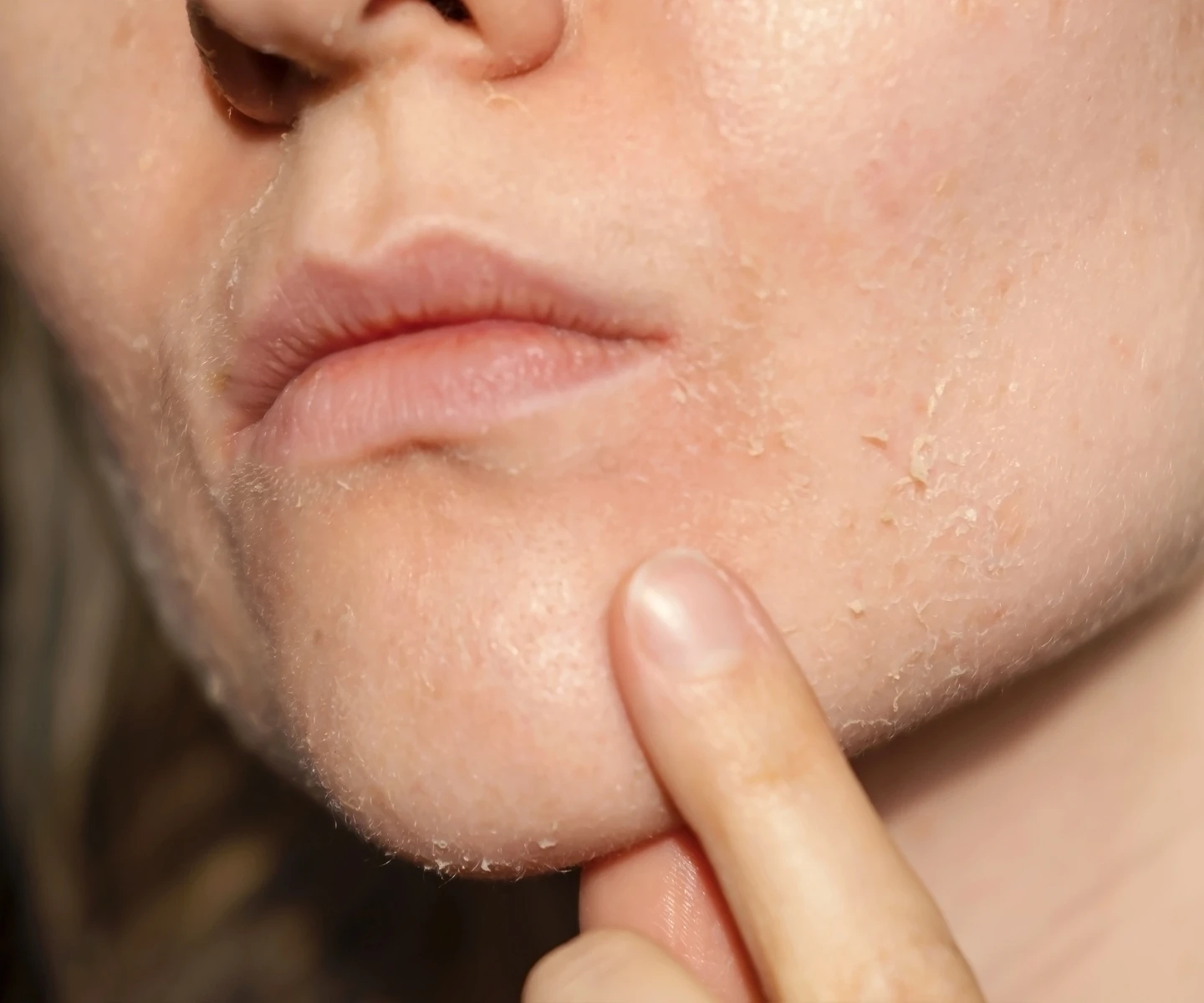
“Damp or compromised skin increases retinol penetration, which can lead to stinging, flaking or a retinoid reaction,” she says.
The fix is simple: Always apply to dry, intact skin. If your skin is on the sensitive side, wait 10–15 minutes after washing before applying your retinol.
Retinol Mistake #4: You’re skipping moisturiser altogether
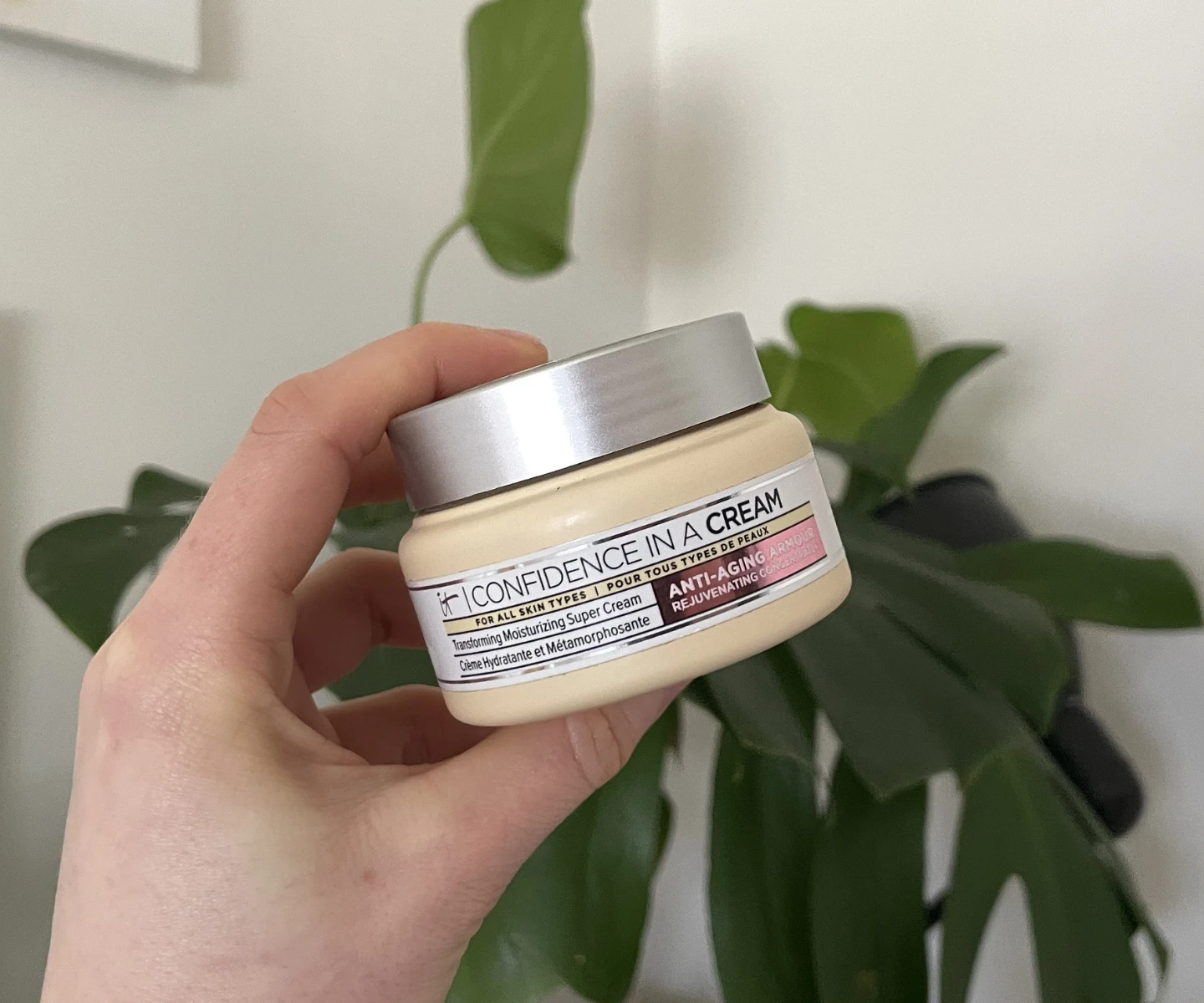
Have I been occasionally guilty of forgetting to apply my moisturiser after giving my retinol time to absorb? Yes. Is it a wise decision that I would encourage you all to repeat? Definitely not. But don’t take my word for it.
“Retinol accelerates turnover, and without a cushioning hydrator, you invite irritation,” says Dr. Chahal.
To ensure your visage stays plump and hydrated while your vitamin A gets to remodelling, Dr. Chahal recommends following it up with a “ceramide-rich or peptide-loaded moisturiser to keep the barrier buoyant”.
Retinol Mistake #5: You’re mixing it with too many harsh or incompatible actives in the same session
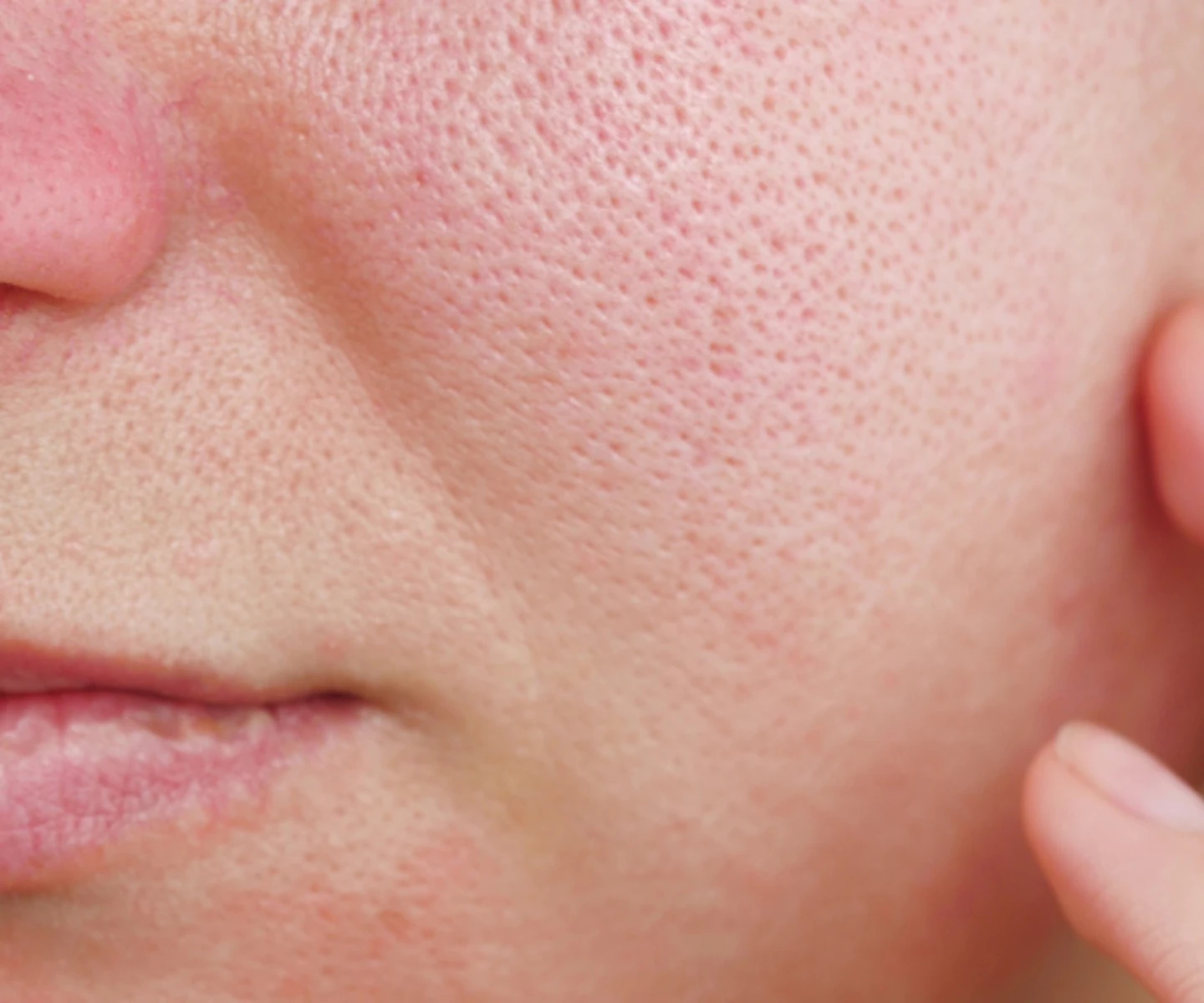
If your skincare routine is Coachella, retinol is the “Beychella”: AKA worthy of a whole Netflix special to herself. Now, does it make sense to have a bunch of other stars who don’t play nice with her onstage while she’s trying to perform at her show? Nope. So, on the nights that she’s headlining, let the other active “divas who do the most” ingredients — like exfoliating acids such as AHAs and BHAs — in your lineup take the night off (they’ll get their turn).
“Acid toners, benzoyl peroxide and high-dose vitamin C serum can gang up on your barrier when used in the same session [as retinol],” says Dr. Chahal.
“Keep it simple: cleanser, retinol, moisturiser. Introduce other actives slowly and alternate nights if needed (skin cycle),” adds Dr. Prasanthi.
In short? With great (retinol) power comes great (layering) responsibility.
Retinol Mistake #6: You wear retinol during the day “because the label didn’t say not to”
Retinol is a nocturnal girlie. No morning matchas and sun salutations for her — she’s all about the nightlife, and for good (evidence-based) reason.
“Sunlight deactivates retinol and leaves fresh baby cells vulnerable,” says Dr. Chahal.
“Reserve it for evenings only and wear broad-spectrum SPF 50+ the next day. Sun care isn’t optional; it’s the insurance policy that protects your vitamin A investment.”
Retinol Mistake #7: You don’t wear sunscreen daily
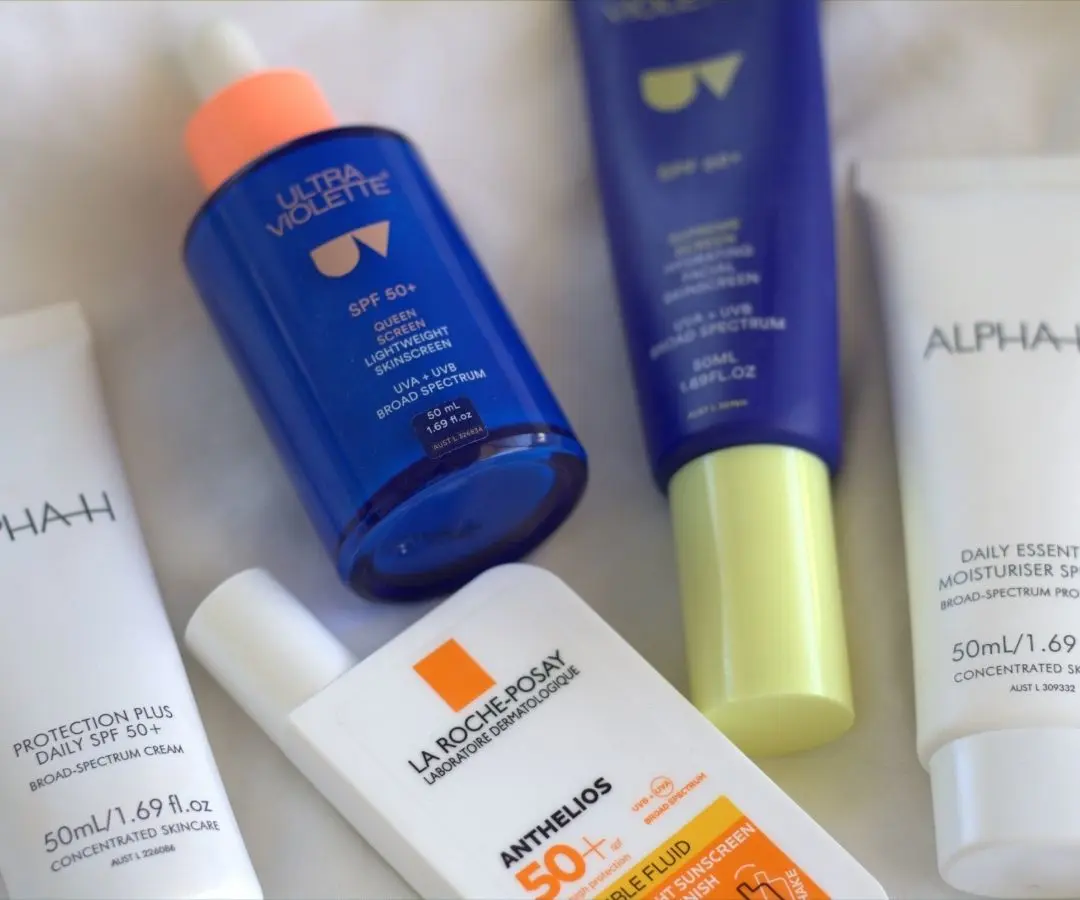
Now, we won’t wax lyrical about why sunscreen is important — nay — integral to your skin health and arguably the best anti-ageing product there is *today*. However, let this be a reminder that if you’re not slathering it on daily, your retinol of choice is going to be less effective — and potentially even work against you.
“Retinol increases skin sensitivity to UV, which can worsen pigmentation and accelerate aging,” Dr. Prasanthi explains.
The key? Don’t skimp on the broad-spectrum SPF, even on cloudy days, to protect your hard-earned results and prevent potential damage.
Retinol Mistake #8: You forgot that retinol can’t be used during pregnancy
All topical retinoids are category D in Australia (considered unsafe for the development of the fetus), so it’s medically advised to avoid them completely during pregnancy.
“If you’re pregnant, breastfeeding or trying to conceive, park the retinol and lean on bakuchiol or peptides and growth factors instead,” Dr. Chahal says.
Retinol Mistake #9: You expect instant results or give up on it too soon
Good retinol results come to those who wait (and, you know, don’t make the first eight mistakes).
The first thing? Make sure you give it enough time to get past “The Purge”. No, that’s not a low-budget horror movie — although it might feel like it for a hot minute — but rather the first couple of weeks to a month after introducing retinol, during which time your skin might act up in reaction to its potency (particularly if you are already prone to breakouts).
“Tiny breakouts or flaking in the first 2–4 weeks are signs of increased cell turnover, not proof it’s wrong for you. Buffer with moisturiser, drop to once a week if needed and ride it out,” says Dr. Chahal.

After that? Well, you still need to give it time to work its deep, down-to-the-dermis magic — around 3–6 months to be specific, with some of the benefits taking up to a full year.
“Retinol works on a cellular level and results (like smoother texture, less pigmentation, fewer breakouts) take time. Moreover, the studies show the best results for collagen stimulation over 12 months,” Dr. Prasanthi explains.
“Stick with it. Consistency and patience are key; this is long-game skincare. Think of it as one part of the toolkit in skin health and preserving collagen,” she adds.
Beginner To Advanced: Shop These Expert Retinol Picks
For total newbies:
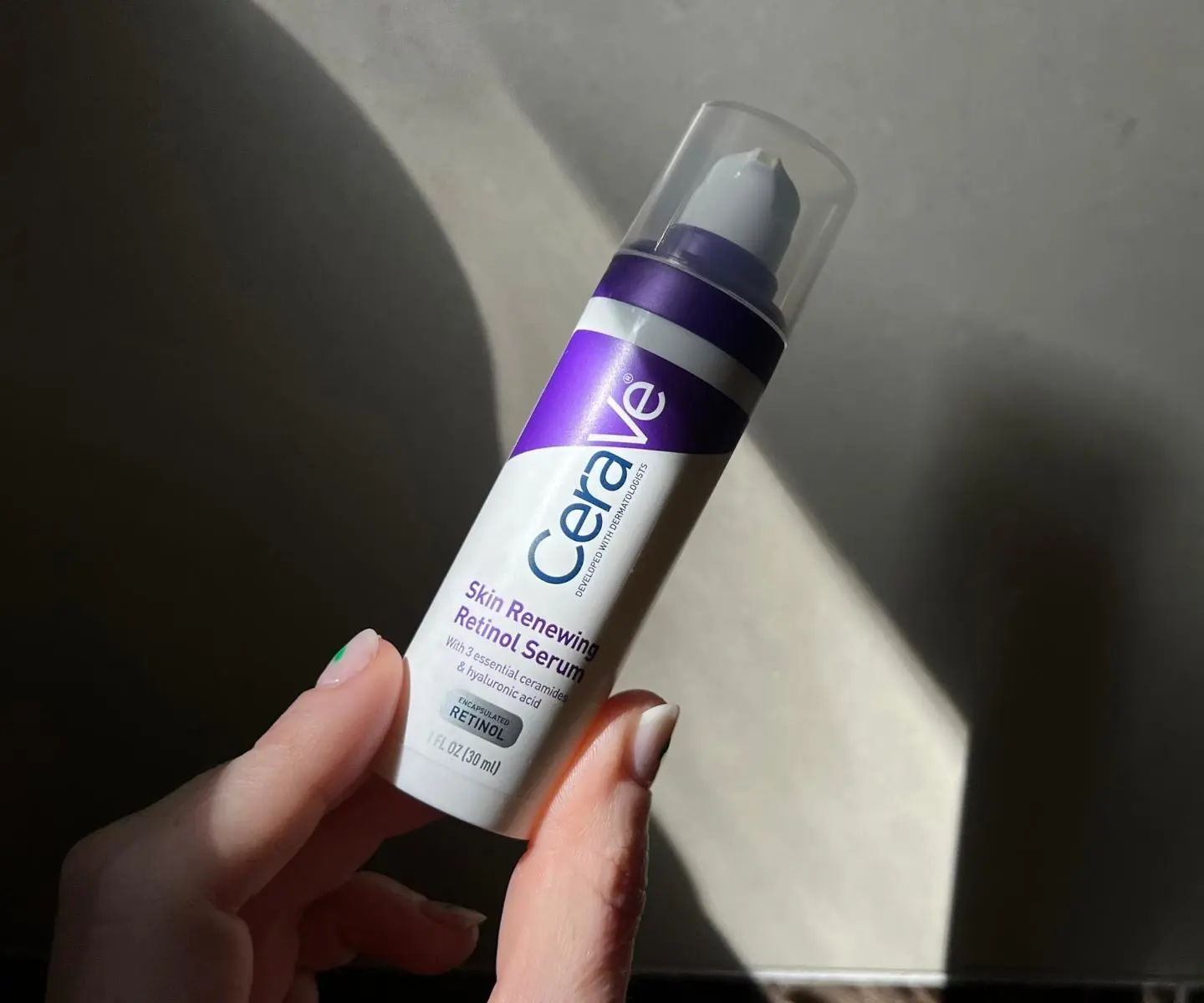
“CeraVe Skin Renewing Retinol Serum is a great, affordable option for beginners. It’s a slow-release encapsulated retinol, making it more skin-friendly.” — Dr. Prasanthi
For beginners to intermediate:
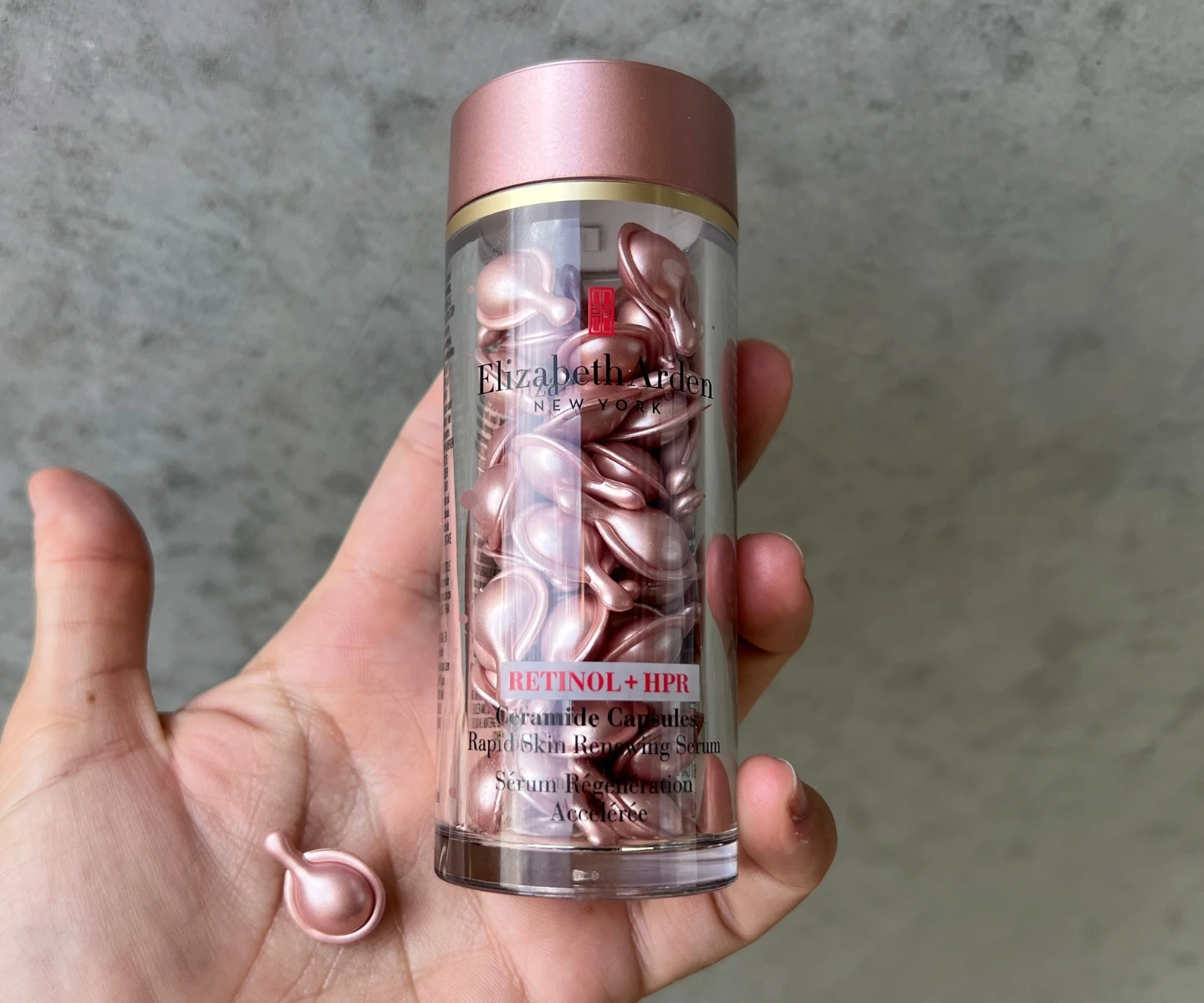
“Elizabeth Arden Retinol + HPR Ceramide Capsules are easily-dosed amounts of retinol, plus it’s a granactive retinoid (theorised to have greater levels of gene transcription than retinol, it's like a gentle, mild adjacent of retinoic acid, but more studies are needed). This one is nice because of the base, which has ceramide, to support the skin barrier whilst retinol does its thing. It has a silky application.” — Dr. Prasanthi
For beginners through to advanced:
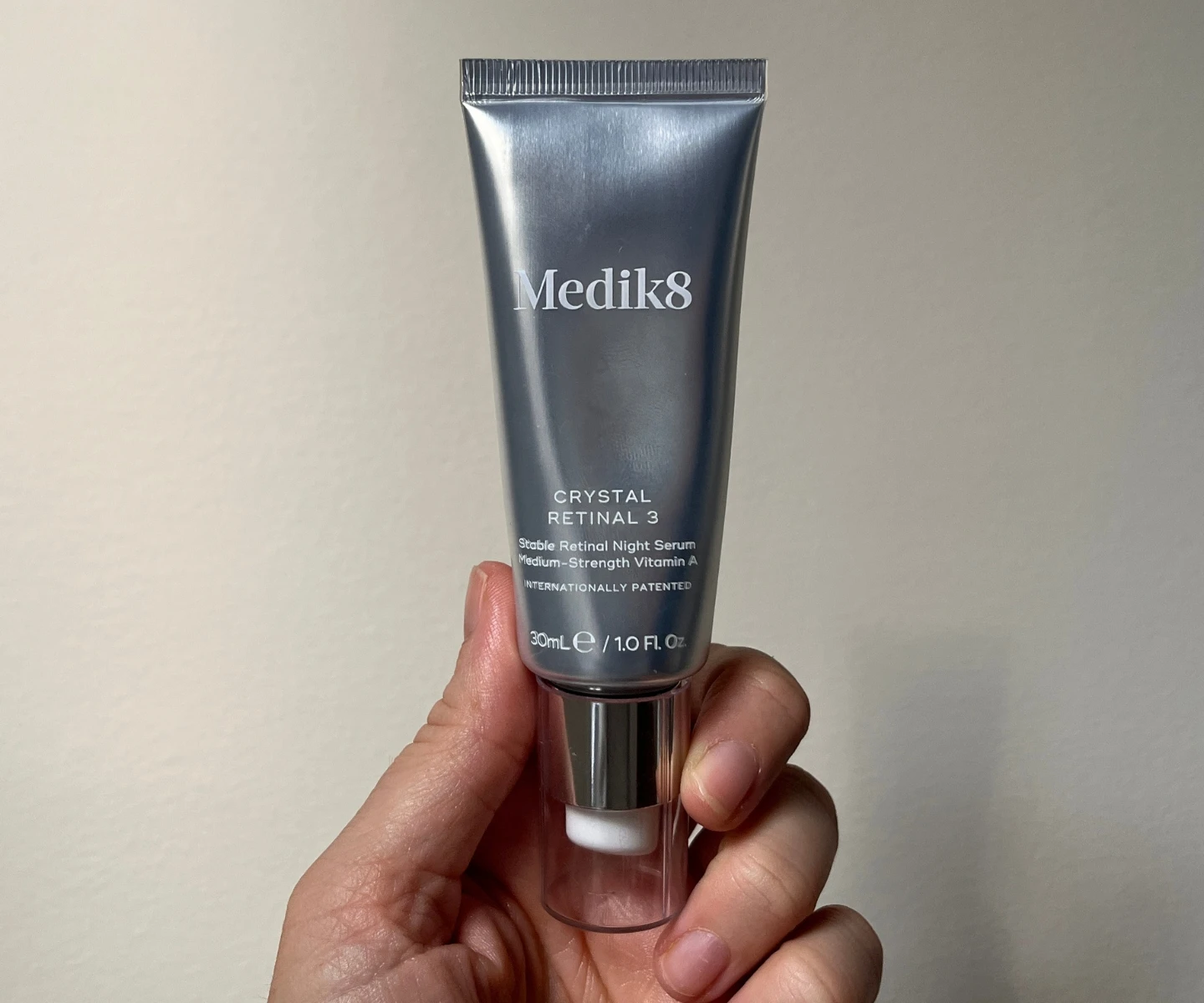
“With regard to brands overall, I do think Medik8 have a very easy-to-follow system that goes up in strengths of retinol from 0.2% to 1%. So, you can pick your player: start low as a beginner and work your way up in strengths, even moving up into the retinal category thereafter.” — Dr. Prasanthi
Want the complete low-down on all things retinol and vitamin A? Read on: