Menopause and Skin: What’s Really Happening and How to Help

Yads Cauchi is a Dermal Clinician, Nutritionist (BHSc, MSc) and Beauty Journalist. She's also a mum of four. Evidence based skin health and nutrition are her thing and she works from her own skin clinic based in Canberra - you can find her there, or on Instagram and TikTok @yadscauchiskin.
Falling estrogen in menopause causes reduced collagen and sebum, leaving skin drier, thinner, more pigmented and prone to sensitivity; targeted routines and treatments can restore hydration, support collagen and control breakouts. Read on for why these shifts happen, practical lifestyle changes, ingredient-led product picks and treatment options for menopausal skin.
Top Insights From This Guide
- Use cream cleansers, ceramide rich moisturisers and hyaluronic serums for dryness.
- Repair a sensitive barrier with lipid rich balms like La Roche-Posay Cicaplast Baume B5+ 40ml.
- Boost firmness with vitamin A or peptides, try Medik8 Crystal Retinal 3 30ml.
- Treat pigmentation with vitamin C or antioxidant brighteners and wear SPF daily.
- Control menopausal breakouts with salicylic or azelaic acid and consider niacinamide.
Hot flushes, mood swings, brain fog… and then out of nowhere your skin decides to change the rules too.
No, it’s not just you, menopause really does bring a whole new chapter for your skin.
The good news though? Skincare for this phase of life is no longer an afterthought. It’s a whole category now, with evidence-based solutions designed to keep your skin glowing as it shifts, so let’s chat through them.
How Can Menopause Affect the Skin
What’s happening to skin in menopause?
You see, as estrogen levels decline, the skin can change in so many ways. Starting with collagen and elastin, the proteins responsible for firmness and elasticity. As we get older these are produced in smaller amounts, which directly contributes to sagging and more visible lines.
Sebum (your skin’s natural oil) also decreases, leading to dryness, dehydration, and a loss of that healthy, light-reflective glow; and a thinner epidermal barrier can make skin more reactive and prone to irritation, while a slower rate of cell turnover can contribute to uneven skin texture.
On top of that, fluctuating hormones disrupt melanocyte activity, so pigmentation becomes more unpredictable aka. it can show up as dark spots, patches, or a general sallowness in tone.
The Side Effects People Notice Most
- Dryness and tightness.
- Dull, lacklustre skin.
- Fine lines looking deeper.
- Sudden sensitivity.
- Pigmentation flares.
- Breakouts (yes, really)
For even more on menopause and the skin, listen to the Beauty IQ Expert episode below:
Lifestyle Habits That Help
Moral: Menopausal skin is normal, and you’re not alone in noticing the changes.
With the right mix of skincare, lifestyle shifts, and targeted treatments, this stage doesn’t have to mean you’re letting your skin go.
Instead, think of it less as “losing” your skin and more as learning how to care for it in a new chapter, because with the right tools, it’s manageable.
Starting with:
Hydration: Drinking enough water supports skin’s elasticity and helps counteract the dryness that comes with lower oil production.
Sleep /stress management: Quality rest and keeping cortisol in check are key, since high stress hormones can interfere with skin repair and healing. JS Health Menopause+ is an additional supplement rich in vitamins and antioxidants that can act as additional support if sleep has become a problem.
Nutrition: A diet rich in protein, omega-3s, and phytoestrogens (think soy, flax, chickpeas) provides the building blocks for collagen and may help balance hormone-related changes.
Sun protection: With a thinner barrier and less resilience, menopausal skin is more vulnerable to UV damage, making daily SPF non-negotiable.
Movement: Regular exercise boosts circulation, delivering oxygen and nutrients to the skin while supporting collagen maintenance.
Skincare for Menopause
Skincare and Beauty Products That Target Menopausal Skin:
Your skincare can actually benefit menopausal skin, you just have to meet it where it’s at (rather than continue with products that you’ve used for years and no longer work.)
Depending on your skin concerns below are a few that can help.
Hydration heroes: Great if you’re dealing with dryness. Think ceramide-rich creams, creamier cleansers and hyaluronic acid serums to plump and quench thirsty skin.
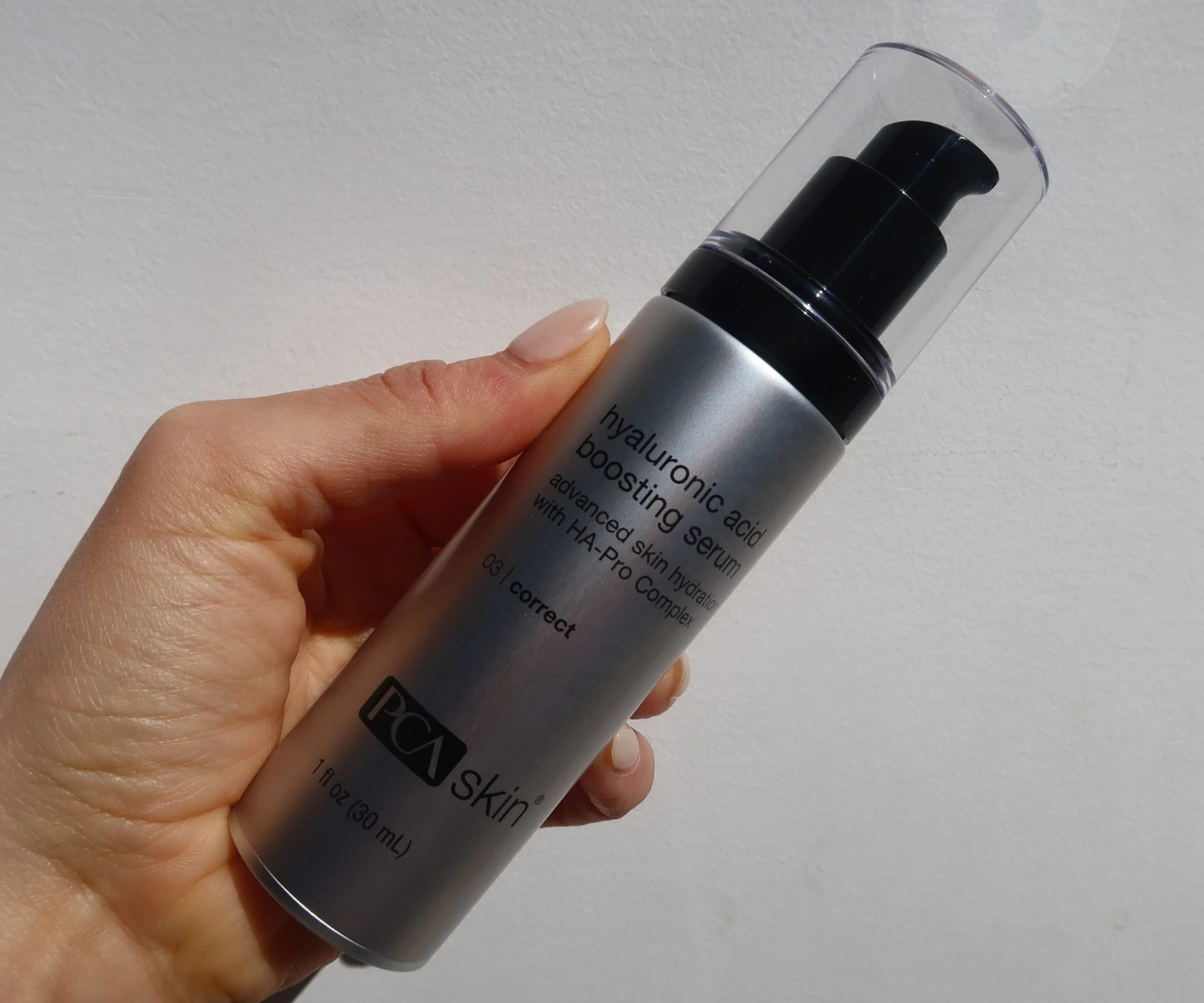
Try:
- PCA Skin Creamy Cleanser - switching to a cream based cleanser can help balance skin.
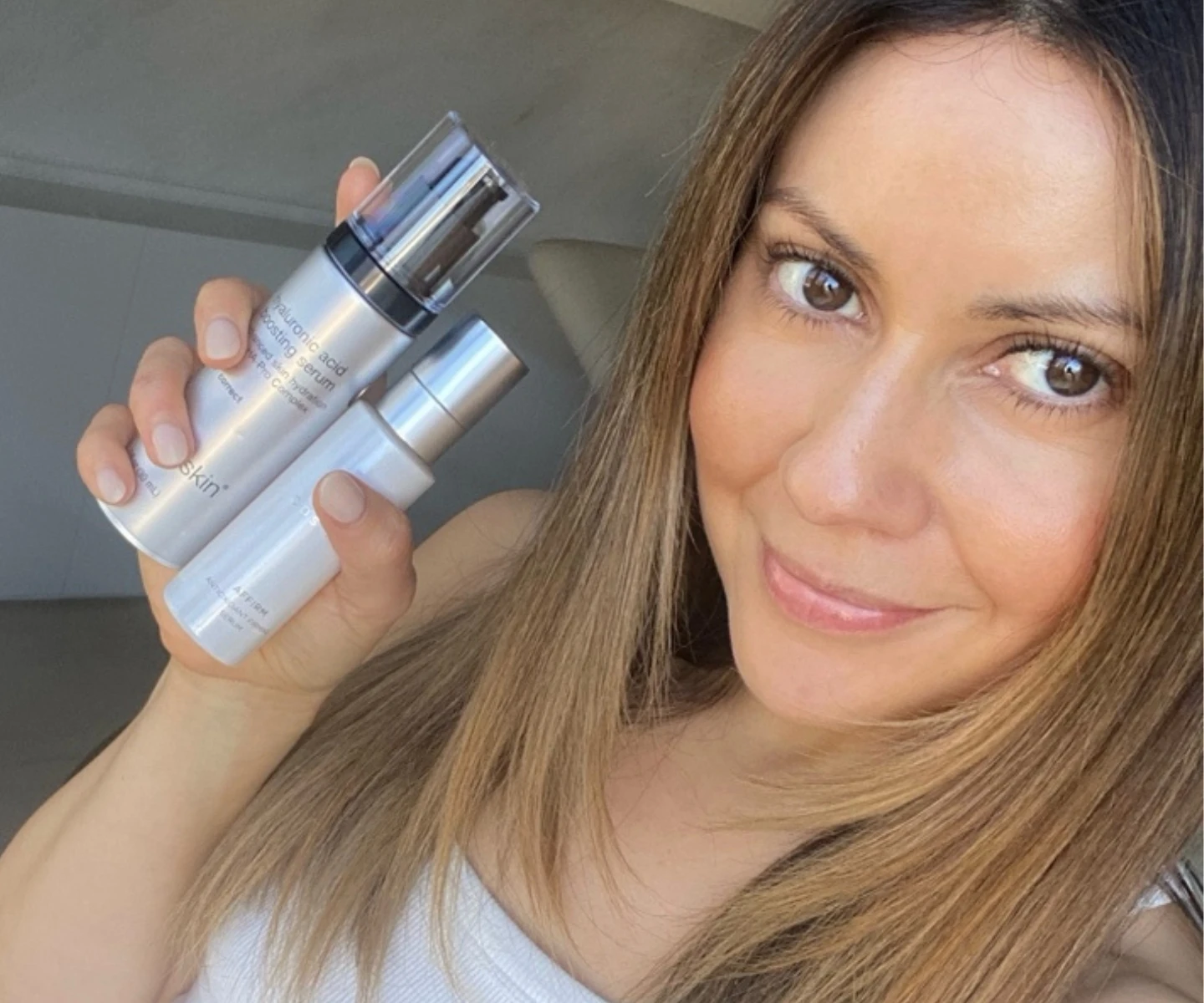
- PCA Skin Hyaluronic Acid Boosting Serum 28g - add in a quality hydrating serum.
Barrier repair: If your skin is feeling sensitive or sensitised you need to focus on barrier repair. Lipid-based moisturisers and balms can help patch up a compromised skin barrier and get you back on track for stronger actives.
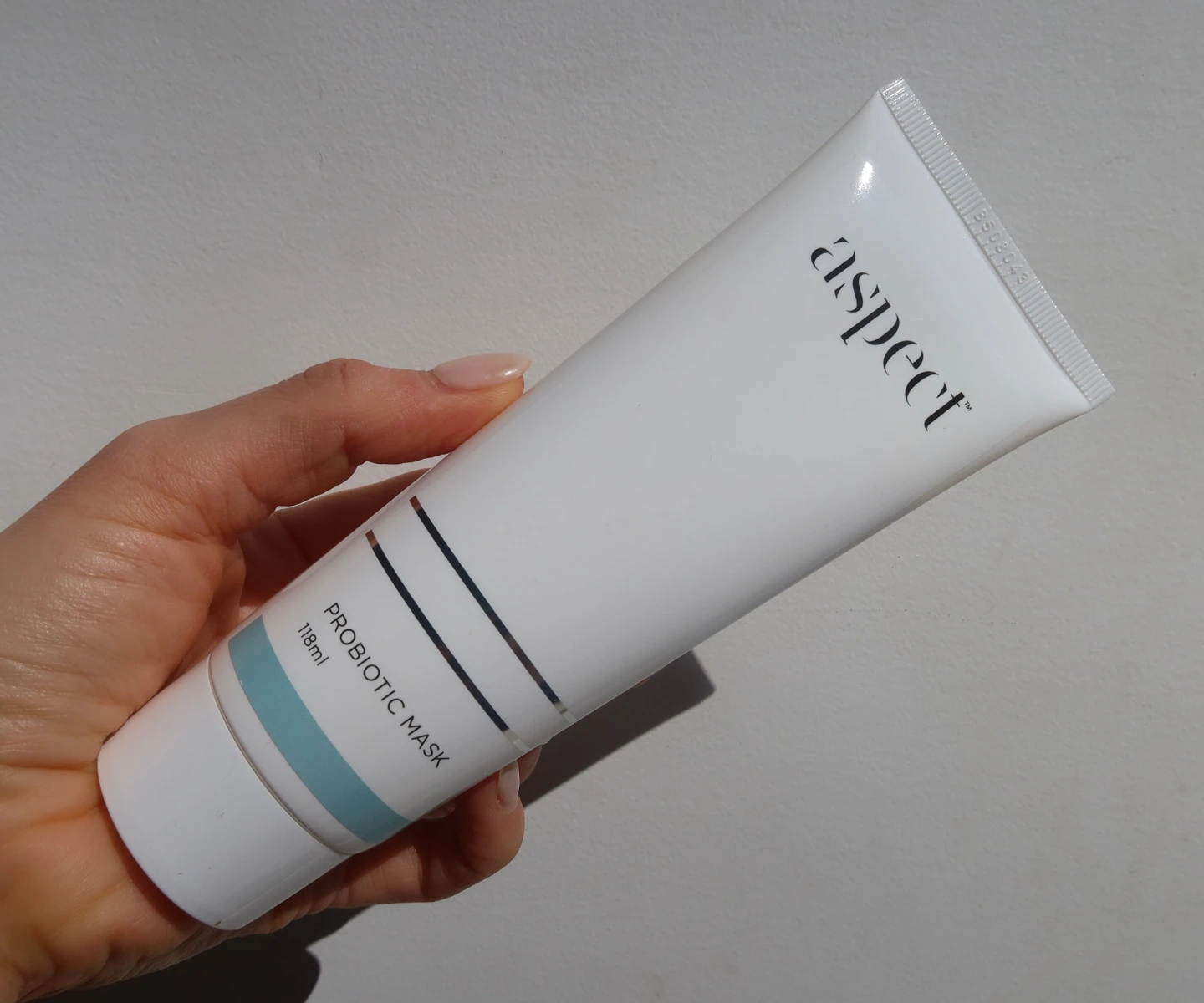
Try:
- Aspect Probiotic Mask 118ml - gentle, hydrating mask to help calm things down.
- La Roche-Posay Cicaplast Baume B5+ 40ml - sleeping in a barrier cream can help overly sensitised skin.
Collagen support: If you’re concerned with ageing, vitamin A and peptides will give skin the nudge it needs to stay firm and bouncy.
Try:
- Medik8 Crystal Retinal 3 30ml - very easy vitamin A to add into your routine.
- Osmosis Skincare Correct Preventative Retinal Serum 30ml - gentle, but another effective vitamin A that is well tolerated by a lot of skins.
Brighteners: Vitamin C and pigment blockers tackle dullness, uneven tone, and pigmentation and are easy staples to add into a routine. Vitamin C can help boost collagen, but if you struggle with vitamin C a gentle antioxidant serum in the morning can be an easy product to add.
Try:
- Aesthetics Rx BIOFEMAGE Serum - a skin brightener with peptides, phytoestrogens, arbutin and hydration strategically designed for menopausal skin.
- Cosmedix Affirm Antioxidant Firming Serum - antioxidant based serum, designed for ageing/menopausal skin. Also great for skins that don’t tolerate vitamin C.
Breakout balance: If you’re breaking out (which can happen!) Gentle exfoliants and anti-inflammatory actives like salicylic acid or azelaic acid keep hormonal breakouts in check without stripping the skin. Niacinamide may also be beneficial to add.
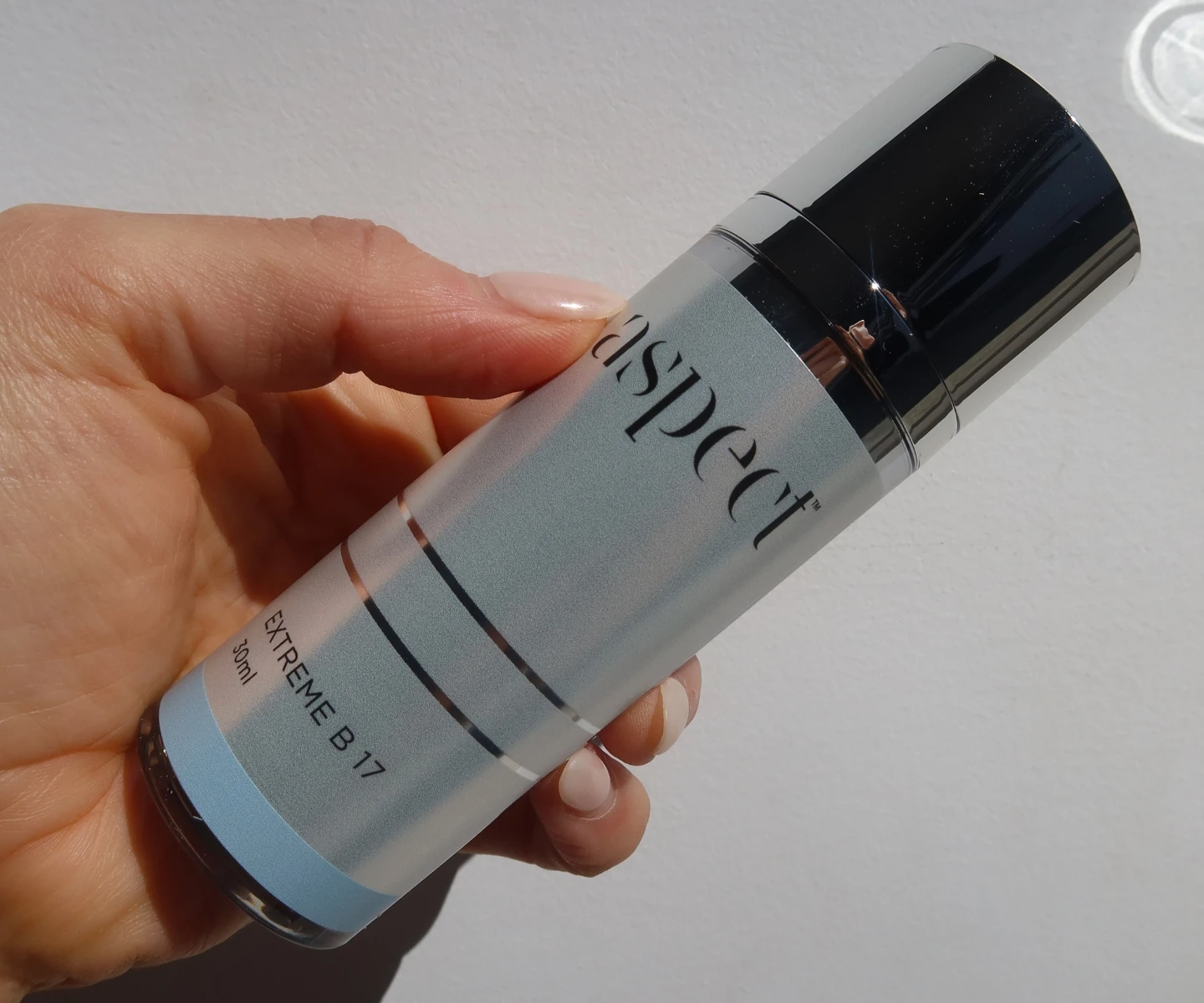
Try:
- Murad Blemish Control Biome Balancing Clear & Prevent Serum - a salicylic acid based serum to help clear pores.
- La Roche-Posay Effaclar A.Z. Gel Cream 40ml - this is an active moisturiser with azelaic acid and salicylic acid. Do not combine with other actives if sensitive and breaking out.
- Aspect Extreme B 17 - formulated to control oil production.
Finally...
Again, when it comes to menopause, I think it’s important to think of your skin as entering a new season.
Meaning it might just need a slightly different wardrobe. And if you’re not sure what pieces to add?
That's where professional guidance can come in handy. So don’t forget chatting with a dermal clinician can help!
Catch up on more of Yad's expert advice below: