The Next Big Skincare Ingredients for 2026 (And What They Do for Your Skin)

Sarah Tarca is a beauty journalist, writer and co-founder of Australia’s first dedicated beauty newsletter, gloss etc. Her skills involve applying lipstick without a mirror, bullying people to wear sunscreen and procrastinating washing her hair. She loves her kids, skincare and potatoes in equal measure — almost as much as she loves SkinCeuticals CE Ferulic. Almost. Find her on socials @tarca
2026’s breakthrough skincare actives focus on cellular repair and long-term support — think peptides, exosomes, PDRN, polyglutamic acid and ectoin — which aim to rebuild collagen, speed regeneration and lock in moisture rather than just surface glow. The article outlines how each ingredient works, when to use it and product examples to consider.
Top Insights From This Guide
- Choose targeted peptides to boost collagen, improve elasticity and soften expression lines.
- Reserve exosome topicals for post-procedure repair or inflammation support; topical evidence is limited.
- Use PDRN, often salmon derived, for barrier recovery and improved elasticity; injectables have stronger clinical backing.
- Pick polyglutamic acid for intense hydration; it holds 4000-5000 x its weight in water and reduces TEWL.
- Use ectoin to protect stressed skin from pollution and UV while strengthening the moisture barrier.
If the past few years were about barrier repair, skin minimalism and stepping away from 20-step routines, 2026 is shaping up to be the year of intelligent ingredients.
We’ve seen rumblings of this already, with hard-to-pronounce, scientific ingredients sliding into luxury skincare, but now they’re trickling down to the masses.
These actives aren't about surface-level glow (though the formulas include ingredients to help with that too), but rather targeting skin on a cellular level. Think: biotech breakthroughs, advanced hydration molecules and next-generation collagen support.
The common thread is that they’re researched (no beef tallow here), multifunctional and designed to future-proof skin rather than just treat it.
Meet the new skin players.
Peptides
The lowdown:
Ok, so they’re not new — in fact if you’re into beauty, you would’ve seen them popping up across ingredient listings for a few years now. But, newsflash: they’re not going anywhere. The difference is, now they’re more refined and more targeted. There are thousands of different peptides and they all target different things but at their core, peptides are short chains of amino acids, the building blocks of proteins like collagen and elastin.
How peptides work in skincare:
Peptides act as “messenger” molecules, signalling the cells to do things like ramp up collagen production, improve elasticity or repair the skin. Some of the more recent variants act similar to a botox alternative to help reduce expression lines. Unlike other gold-standard anti-ageing actives like retinol, peptides tend to be well tolerated, making them a long-game ingredient rather than a quick fix.
Exosomes
The lowdown:
This biotech darling is the one you’re about to see everywhere.
Exosomes are microscopic extracellular (as in, they’re inside the cells) sacs that facilitate communication between cells. Our body makes it, and the cells secrete them, but where peptides signal to cells, exosomes facilitate cell communication essentially giving them the instructions on how to perform a function like collagen production or repair (wound healing).
They’ve already been used in post-procedure treatments to help with wound healing but now they’re hitting mainstream.
How exosomes work in skincare:
Exosomes help regulate cell behaviour by delivering proteins, lipids and growth factors. In topical formulas, they’re designed to support regeneration, accelerate visible repair and help the skin to function more optimally. They do their best work in an anti-inflammatory capacity, but while they’re used widely post-treatment (even after things like needling) the jury is still out on the benefits for topicals — more studies please! But truly, watch this space.
PDRN (Polydeoxyribonucleotide)
The lowdown:
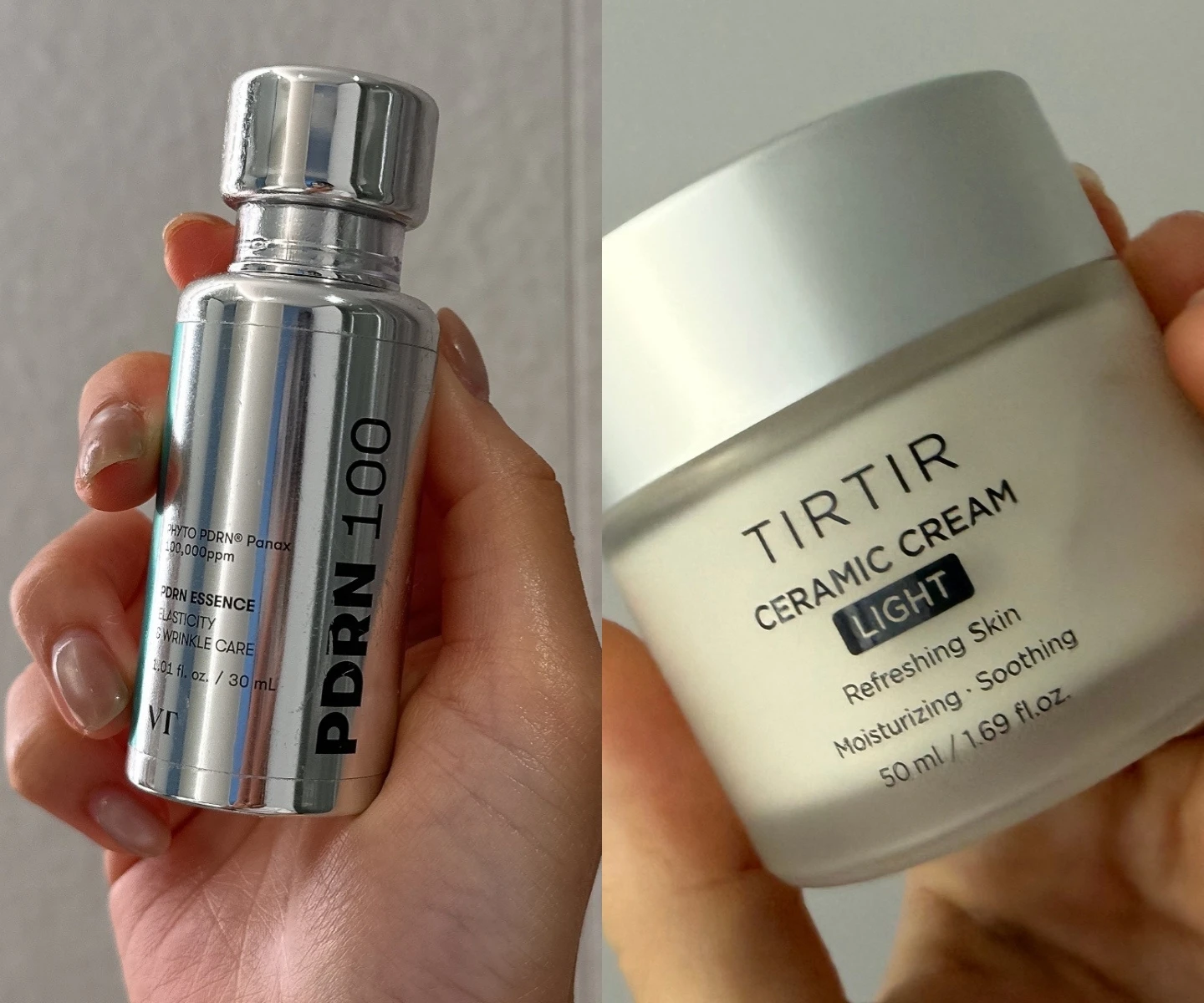
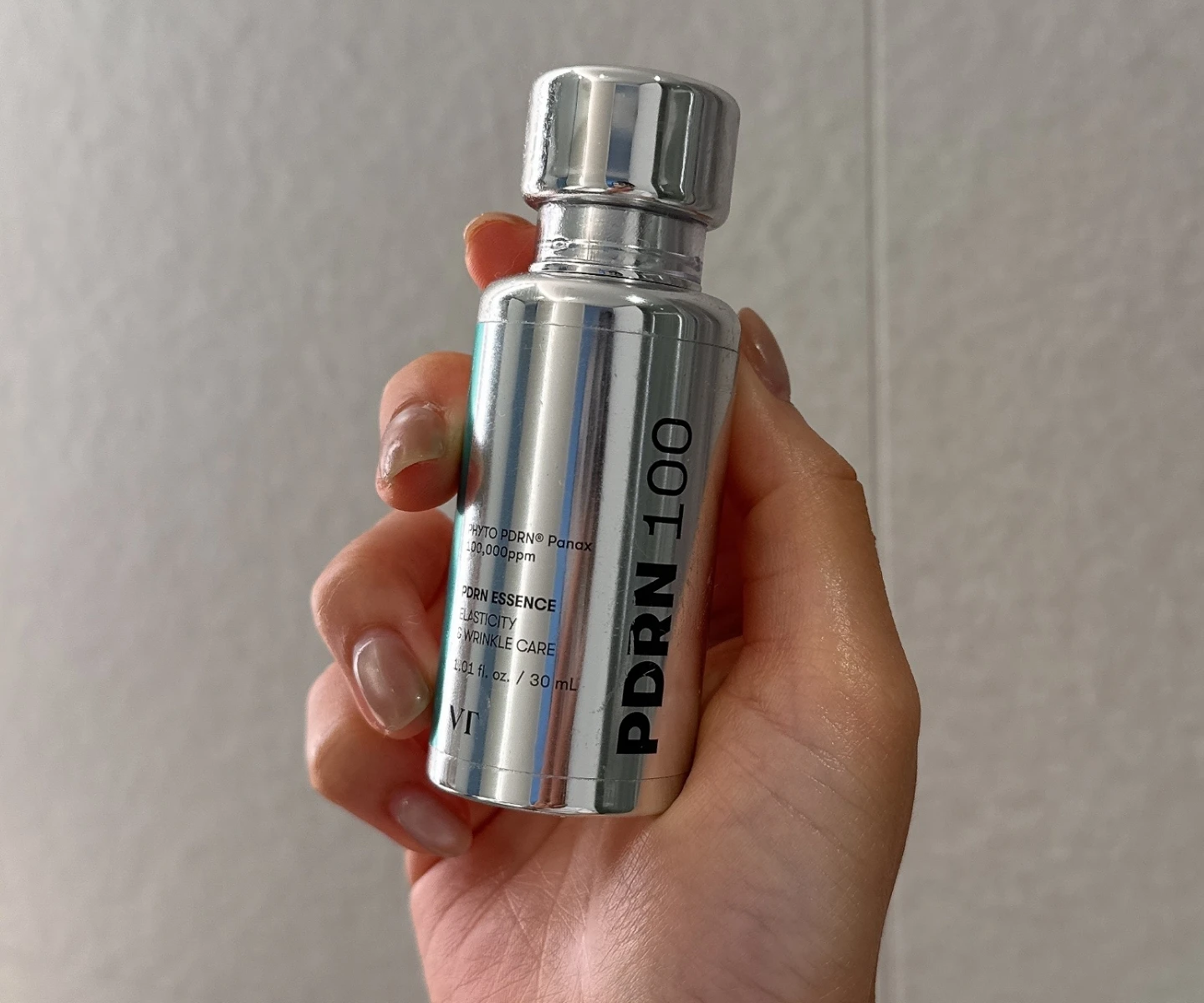
Short for polydeoxyribonucleotide (say that five times fast!)PDRN is a purified mixture of DNA fragments most commonly extracted from salmon sperm — typically species such as rainbow trout or chum salmon. You’ve seen the “salmon sperm facials” yes? Same thing. The reason salmon is used is because of its high biocompatibility with human tissue, which is why it’s been utilised in wound-healing and regenerative medical treatments. But now it’s entering its topical era.
How PDRN works in skincare:
From a clinical perspective, PDRN stimulates adenosine A2A receptors, which regulate inflammation and wound healing as well as encouraging fibroblast activity, the cells responsible for producing collagen.
On the skincare front, formulations are generally designed to support barrier recovery, improve elasticity and promote smooth texture. While injectables have more clinical backing for its efficacy, cosmetic PDRN is an ingredient used more for regenerative support. I should also add that many companies are now using a plant-derived version as technically the DNA fragments could be extracted from any living organism.
Polyglutamic Acid
The lowdown:
Move over hyaluronic acid, there’s a new hydrator in town!
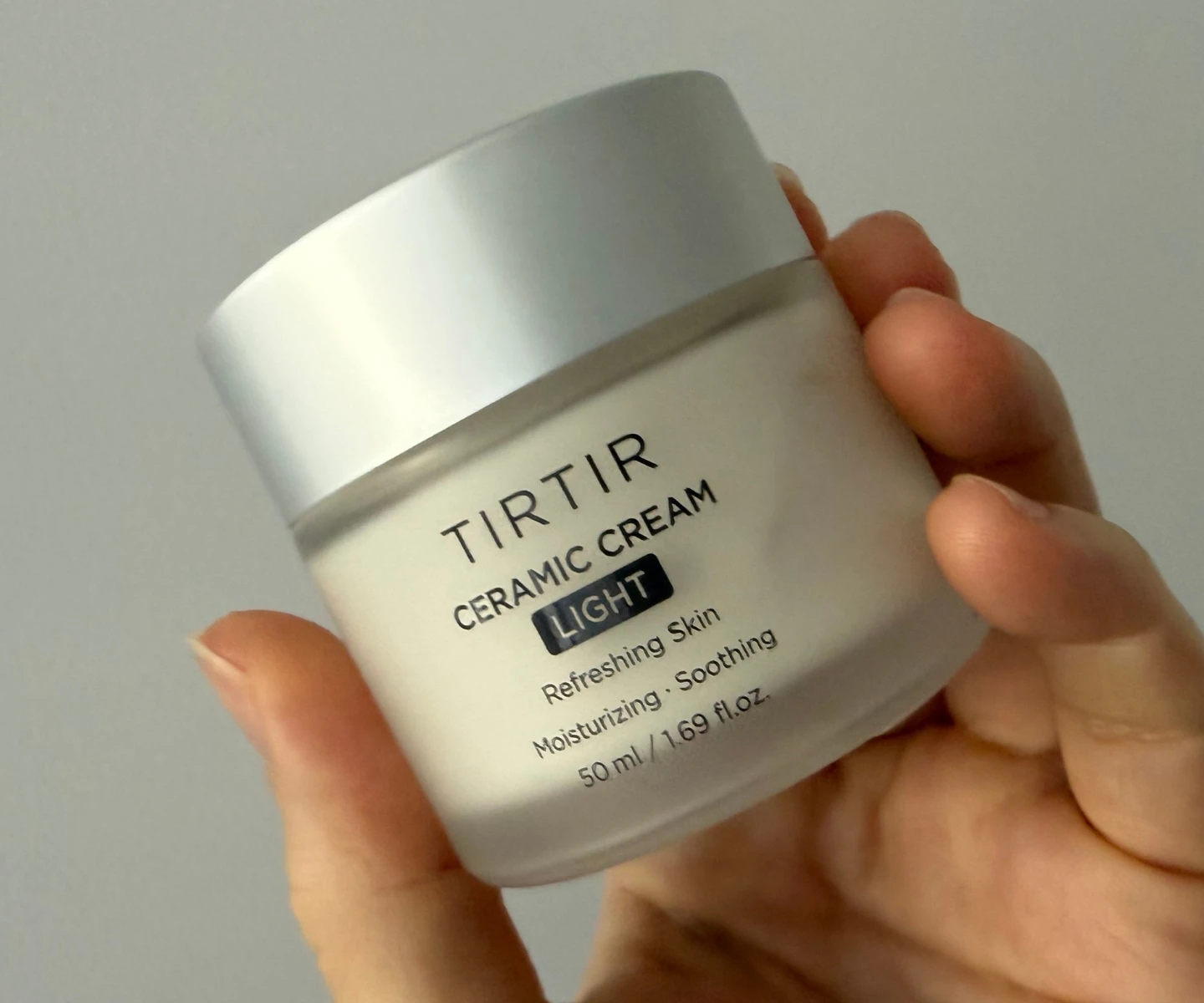
Polyglutamic Acid (or, PGA) is a humectant, meaning it draws in, and binds moisture to the skin. It's derived from fermented soybeans and can hold 4000-5000 x its weight in water, which makes HA at 1000 x look positively humble.
How Polyglutamic Acid works in skincare:
Polyglutamic acid draws moisture into the skin while reducing transepidermal water loss. The payoff is surface plumpness, smoother texture and longer-lasting hydration, and remember hydrated skin doesn’t show fine lines as much. Its molecular structure also helps enhance the penetration of other ingredients layered beneath it.
Ectoin
The lowdown:
Last year, Urea was the ingredient resurrected by formulators to be in products, but this year, it’s ectoin making a comeback.
It’s been around since the ‘80s, a multi-functional ingredient and amino acid derivative that essentially reduces skin stress; it’s a natural molecule discovered in microorganisms that survive in harsh environmental conditions. In skincare, that resilience translates into serious protective power.
How ectoin works in skincare:
Ectoin functions as an adaptive stress-protection molecule, which means its great in formulations where the skin is under immediate stress, as it helps shield skin from environmental aggressors such as pollution and UV exposure while strengthening the moisture barrier.
The common link in all these ingredients is that none of them are harsh on the skin.
In fact, the new wave is all about regeneration and long-term structural support, something K-Beauty has known for years.
It’s about long-term solutions over quick fixes, and respecting the skin barrier, so all our poor overexfoliated, damaged barriers can finally breathe a sigh of relief.
Catch up on more of Sarah's articles below: