Dehydrated and Dry Hair Aren’t the Same. Here’s How to Spot The Difference, According to a Pro

Sukriti Wahi is a journalist, copywriter and editor with a background in luxury fashion magazines. Covering everything from trending skincare to slow travel, her bylines have featured in the likes of Harper’s BAZAAR, ELLE, Marie Claire and Refinery29. Outside ‘magland’, she previously helmed editorial content for Aje and Stylerunner. These days, she divides her time between writing, dance classes and her six-step hair care routine (flow charts may or may not be involved).
Dry hair is caused by a lack of oil and benefits from nourishing oils and butters, while dehydrated hair lacks water and improves with humectants and water based formulas. Ash Hatcher of Bleach Babes Studio outlines the telltale signs, common causes and simple routines plus product examples to diagnose and treat each problem.
Top Insights From This Guide
- Treat rough, brittle hair as dry hair and use oil and butter based products
- If strands snap or feel straw like, prioritise humectants such as glycerin or aloe
- Layer hydration with a hydrating leave in then seal with a lightweight oil like Aveda Miraculous Oil
- Reduce washing frequency, lower styling heat and always use heat protection
- Match product weight to your texture; Aveda Nutriplenish Deep Moisture for dry, Light Moisture for finer hair
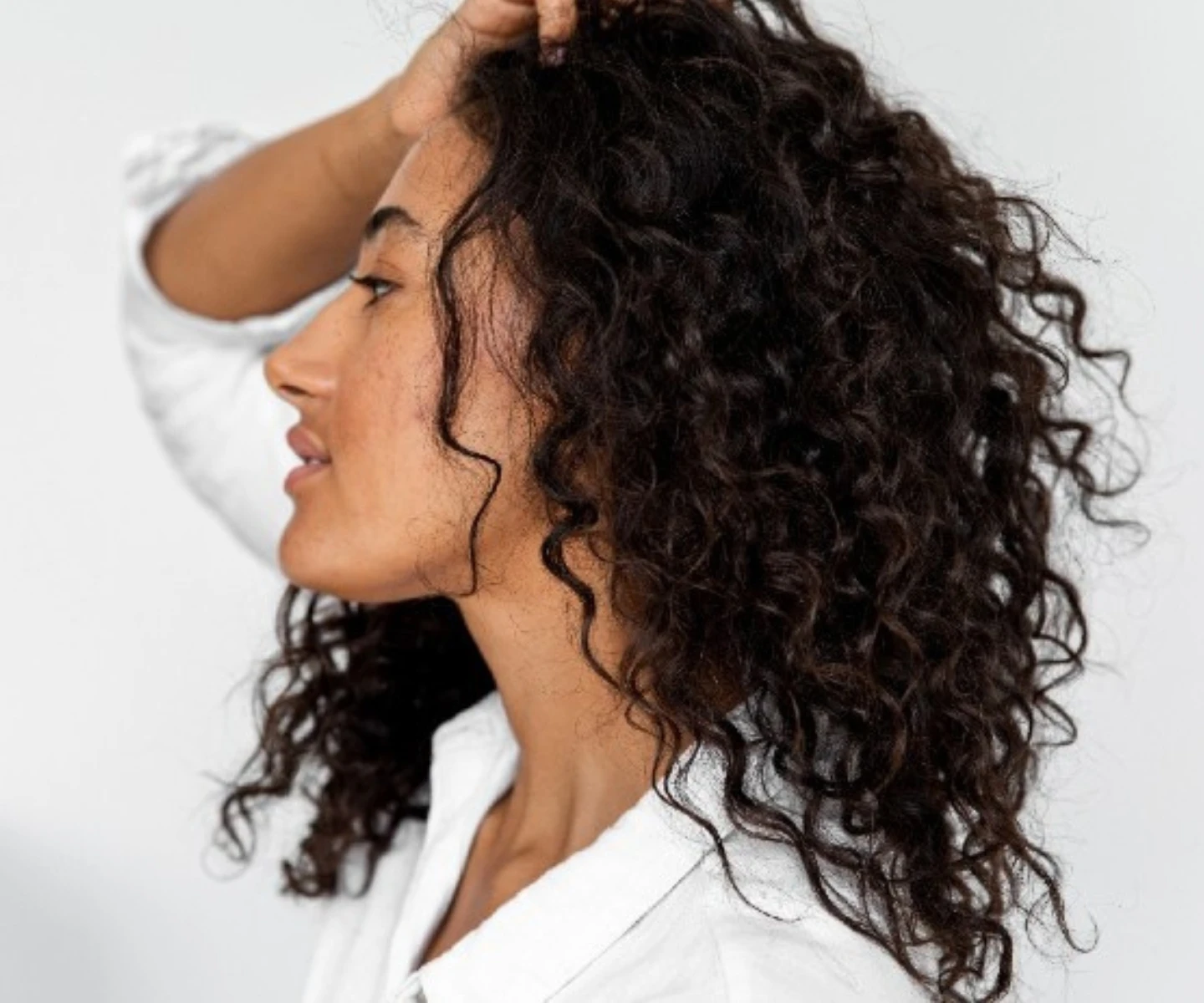
As switchable as they might sound, let it be decreed once and for all: dehydrated and dry hair are not the same thing.
And as is often the case when you get down to the nitty-gritty of it all, small details can kinda-sorta make a difference of the rather large variety, particularly when it comes to taking good care of one’s crowning glory.
To discover everything there is to know about the difference between dry and dehydrated hair, we spoke to Ash Hatcher, hairstylist, founder of Bleach Babes Studio in Sydney, and AVEDA Guest Artist.
Keep reading to get to the root of it all (pun intended).
What is the difference between dry and dehydrated hair?
When talking about hair, the terms ‘dry’ and ‘dehydrated’ get used interchangeably, but they’re actually quite different, and knowing which one you’re dealing with changes everything.
“Dry hair is a lack of oil. It’s usually down to low natural oil production or the oil not travelling through the hair properly. The result is hair that feels rough, brittle and lacks shine,” Hatcher tells BeautyIQ.
“Dehydrated hair is a lack of water. This is about what’s happening inside the hair; it’s not holding onto hydration, so it can feel dull, tangled and fragile, even if the scalp is producing oil.”
The simplest way to break it down?
Dry hair needs nourishment = Oils
Dehydrated hair needs hydration = Water
“In reality, most people sit somewhere in between, especially if they colour or heat style regularly,” Hatcher adds.
What is the difference between moisture and hydration when it comes to hair?
How do I tell if my hair is dry or dehydrated?
Just like ‘dry’ and ‘dehydrated’, ‘hydration’ and ‘moisture’ sound like synonyms, but in hair-world, they are not the same thing (though they are co-workers).
“Hydration and moisture work hand in hand, but they do very different jobs. Hydration is about putting water back into the hair; this is what gives hair softness, elasticity, and movement,” Hatcher explains.
If you’re only hydrating, the hair can use that water quickly, and if you’re only adding oils, the hair can feel coated but still dry.
“This is why layering is key, for example, using something like the Aveda Nutriplenish Leave-In Conditioner for hydration, then sealing it in with a lightweight oil such as Aveda Miraculous Oil,” she says.
Can someone have both dry and dehydrated hair? Is one more common than the other?
Indeed, it is incredibly common to have a mix of both dry and dehydrated going on – and it will probably vary across your head of hair.
“For example, you can have a dry scalp, but dehydrated mid-lengths and ends, especially if your hair is coloured or heat-styled,” says Hatcher.
“In the salon, I see dehydration more often, particularly in blondes and clients with lived-in colour. But dry hair tends to show up more in naturally curly, coarse or textured hair types.”
What are the typical causes and signs of dry hair?
Unsure if your strands are on the dry side? The checklist below will help you determine if your locks are craving oil over water.
Causes of dry hair:
- Low natural oil production
- Curly or textured hair, oil struggles to move down the hair shaft
- Overwashing or harsh shampoos
- Environmental exposure
Signs of dry hair:
- Rough, coarse texture
- Lack of shine
- Fluffy, frizzy feel
- Breakage and split ends
How do you care for dry hair? What types of products or ingredients should you use?
“Dry hair needs nourishment and protection,” Hatcher tells BeautyIQ.
In this case, you’re looking for products based on:
- Oils (try argan, jojoba or macadamia)
- Butters (like shea and cocoa)
- Lipids and fatty acids (avocado)
Try:
Here’s a simple routine Hatcher recommends for managing dry care:
- Gentle, non-stripping shampoo
- Consistent conditioning
- A weekly nourishing mask
- Finishing with an oil to seal and protect
“The Aveda Nutriplenish Deep Moisture Shampoo and Conditioner is a great example of a shampoo for dry hair; it’s richer, more replenishing, and ideal for hair that needs that extra level of softness and control,” she adds.
“To finish, something like the Aveda Miraculous Oil adds that polished, healthy shine while sealing the cuticle without heaviness.”
Other products for dry hair to try:
What are the typical causes and signs of dehydrated hair?
If you think your tresses might be thirsty for a big ol’ drink of water, the following signs will help you figure out if dehydration is what you’re dealing with.
Causes of dehydrated hair:
- Heat styling
- Chemical services, blonde, balayage, permanent colour
- Sun, saltwater, and environmental stress
- Lack of proper aftercare
Signs of dehydrated hair:
- Dull, flat appearance
- Hair tangles easily
- Feels dry even after conditioning
- Poor elasticity (snaps instead of stretching)
- Ends feel straw-like or crispy
How do you care for dehydrated hair? What types of products or ingredients should you use?
“Dehydrated hair needs hydration first, then something to lock it in,” Hatcher explains.
In this scenario, you’re looking for the following:
- Humectants (think glycerin, aloe vera and hyaluronic acid)
- Lightweight, water-based formulas
For dehydrated hair, Hatcher suggests this routine:
- Hydrating shampoo and conditioner
- Weekly hydrating mask
- Leave-in conditioner for ongoing hydration
- Heat protection every time
“For finer hair types, the Aveda Nutriplenish Light Moisture Shampoo and Conditioner works really well; it hydrates without weighing the hair down,” she adds.
“Then layering in a Leave-In Conditioner helps maintain that hydration throughout the day.”
Other dehydrated hair products to try:
Struggling with dry ends? Watch the YouTube video below:
Is there anything else we can do to avoid or improve dry or dehydrated hair?
While products can help combat dryness and dehydration, cementing a few healthy hair habits will help keep your locks from having to deal with it in the first place.
According to Hatcher, this is what makes the biggest difference long term:
- Heat styling habits - Turning the temperature down and using heat protection is non-negotiable.
- Avoiding over-washing - It strips natural oils and worsens both dryness and dehydration.
- Getting regular trims - You can’t repair split ends; you can only prevent them from travelling up the hair shaft.
- Watching water quality - Hard water can impact how the hair feels and behaves.
- Being consistent - Results come from routine, not one-off treatments.
And finally, be mindful to make sure that the products you pick match your hair texture and type.
“One of the biggest issues I see is people using products that don’t match their hair type,” says Hatcher.
“Something too heavy or too light can completely throw off the balance, even if it’s technically a good product.”
Take better care of your hair by reading these next: