

Recommended
Recommended
Newest
Lowest Price
Highest Price
Best Sellers
Highest Rated
- Home
- /Skincare
- /Facial Masks
- /Hydrating masks
Hydrating masks

Hydrating masks products


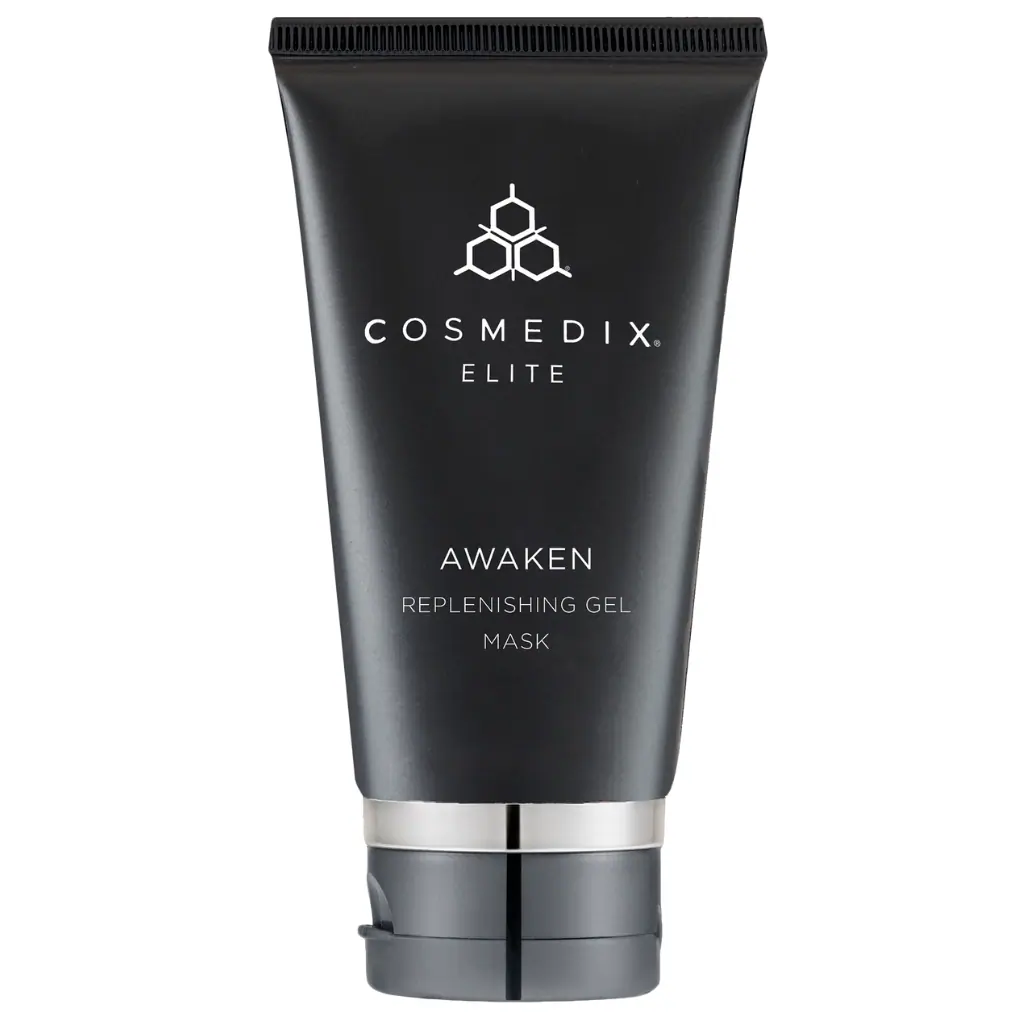


FOREO
SUPERCHARGED Ultra Hydrating Sleeping Mask (75ml)
$81.75
$109.00
Save 25%$81.75
$109.00
Save 25%




Showing 20 products of 70
Shop Hydrating Masks for Intense Moisture Delivery
Hydrating masks work by flooding your skin with water-binding ingredients that replenish depleted moisture levels. Formulas containing hyaluronic acid hold up to 1,000 times their weight in water, creating a plumping effect that smooths fine lines and improves texture. Glycerin and sodium PCA draw moisture from the air into your skin, while ceramides and fatty acids seal in hydration by reinforcing your skin's protective barrier.Different hydrating face mask formats suit various needs and preferences. Cream masks provide rich, occlusive moisture for very dry complexions, working well as overnight masks that deliver hydration while you sleep. Gel textures suit combination and oily skin types, offering lightweight moisture without heaviness. Sheet masks saturated with hydrating serum create an occlusive layer that forces ingredients into your skin during the 15 to 20 minute application time.
The Laneige Bouncy & Firm Sleeping Mask combines a Peony-Collagen Complex with peptides to hydrate and firm skin texture overnight. The Hada Labo Premium Express Glow & Anti-Stress Jelly Sheet Mask delivers 20ml of serum containing Hydrolysed Hyaluronic Acid and Vitamin C, soothing stressed skin while providing deep moisture in just minutes.
Buy Face Masks for Hydrating Dry, Dehydrated Complexions
Understanding the difference between dry and dehydrated skin helps you select the right hydrating treatment. Dry skin lacks oil production and benefits from masks with nourishing lipids like squalane and plant oils. Dehydrated skin lacks water and responds best to humectant-rich formulas. Many complexions experience both conditions simultaneously, requiring masks that address both concerns through combined ingredients.Building a complete hydration routine involves multiple mask types working together:
- Hydrating sheet masks for quick moisture boosts before events or when skin feels tight
- Overnight hydrating treatments that work during your skin's natural repair cycle
- Gel masks with aloe vera and cucumber extract that calm and hydrate reactive skin
- Cream masks with shea butter and oils that nourish extremely dry, flaky complexions
- Eye masks and lip masks that target delicate areas prone to dryness
Pair hydrating treatments strategically with other facial masks in your routine. Use clay and mud masks or charcoal masks for weekly deep cleansing, then follow immediately with a hydrating mask to replenish moisture. After exfoliating masks and peels, your skin becomes more receptive to hydrating ingredients, making this the ideal time for moisture treatment.
How Our Moisture Masks Can Help Your Skin Type
Quality hydrating face masks benefit all complexions, not just dry skin types. Oily skin produces excess sebum when dehydrated, as your skin attempts to compensate for water loss. Providing adequate hydration through lightweight gel or water-based masks helps regulate oil production, reducing shine and breakouts. Combination skin requires balanced formulas that hydrate dry areas without congesting oily zones.Sensitive skin responds well to fragrance-free hydrating masks containing calming ingredients like centella asiatica, chamomile, and beta-glucan alongside moisture-binding actives. These gentle formulas replenish hydration without triggering reactivity or redness. Mature skin benefits from hydrating treatments that combine moisture with anti-ageing ingredients like peptides and antioxidants, addressing dehydration while supporting firmness and elasticity.
Application timing affects hydration results. Use masks on freshly cleansed skin to ensure maximum ingredient absorption. For cream or gel masks, apply an even layer, avoiding the eye and lip areas unless the formula is designed for these zones. Leave on for the recommended time, typically 10 to 20 minutes, then remove excess with a damp cloth or tissue before applying your regular moisturiser. Hydrating sheet masks work best when you press the material firmly against your skin to eliminate air pockets that prevent serum contact.
Frequency depends on your skin's hydration needs. Most people benefit from two to three applications weekly, though severely dehydrated skin may require daily treatment until moisture levels improve. Overnight hydrating formulas can be used more frequently than intensive treatments. Store masks in a cool, dry place, or keep sheet masks refrigerated for an extra cooling, depuffing effect when your skin feels congested or inflamed.
FAQs
How frequently should I apply a hydrating mask?
Can oily skin benefit from hydrating face masks?
Should I apply moisturiser after using a hydrating mask?
Can hydrating masks reduce the appearance of fine lines?
Hydrating masks, Articles & Advice
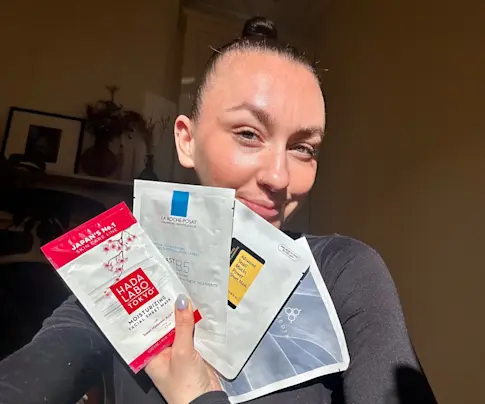
Bargain to Bougie: 4 Hydrating Sheet Masks For Dry Skin
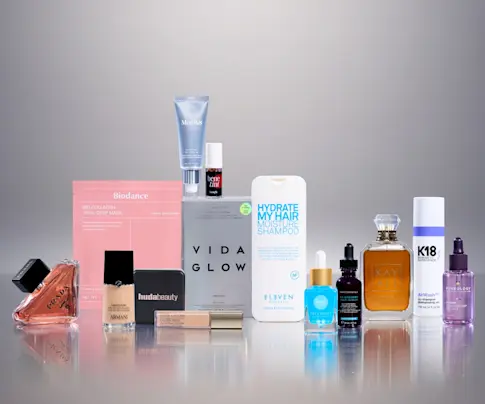
Best Of The Afterpay Day Beauty Sale According To Two Beauty Editors
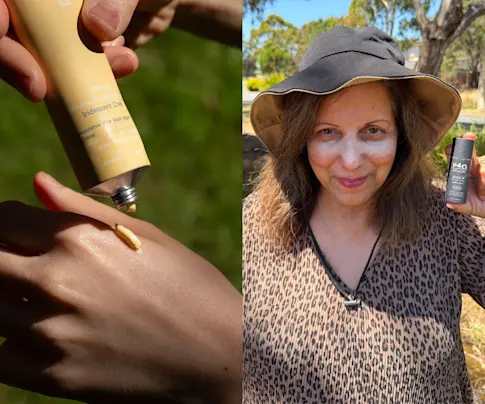
Ocean-Inspired Sun Care? This Aussie SPF Brand Just Landed At Adore Beauty
5 Best K-Beauty Sleeping Masks for Dewier Skin Overnight
Recent reviews on Hydrating masks products

AXIS-Y New Skin Resolution Gel Mask
$48.00$33.60Refreshing
Refreshes and leaves my skin looking glowy.

Medicube PDRN Pink Collagen Gel Mask - 4 pack
$44.00$35.20amazing!
love the feel and value of the 4 pack!

Aspect Probiotic Mask 118ml
$75.00$60.00Mask
This is a great product,it can also be left on over night for extra hydration
Top Hydrating masks brands







Adore Beauty Acknowledges the Woiwurrung language group of the Eastern Kulin Nations as the Traditional Owners of the land our Customer Fulfillment Center and Head Office conduct our business operations on. We would like to extend that Acknowledgement and Respect to all First Nations People and Elders across Australia as our parcels travel across their land, air and water. We recognise First Nations Peoples continuous relationship and connection to Country and at Adore Beauty we commit to treading lightly on the land our parcels travel. We pay our respects to Elders past, present and future.
Customer Service
More From Adore Beauty


New Zealand

Australia
New Zealand