FYI, You Might Be Applying Your Skincare In the Wrong Order (Here’s the Right One)

Sukriti Wahi is a journalist, copywriter and editor with a background in luxury fashion magazines. Covering everything from trending skincare to slow travel, her bylines have featured in the likes of Harper’s BAZAAR, ELLE, Marie Claire and Refinery29. Outside ‘magland’, she previously helmed editorial content for Aje and Stylerunner. These days, she divides her time between writing, dance classes and her six-step hair care routine (flow charts may or may not be involved).
The Essential Points to Remember
- Apply watery products first, then serums, creams and oils to maximise ingredient absorption
- Finish your AM routine with sunscreen as the final step and allow it to settle before makeup
- Exfoliate 1-3 times per week after cleansing and avoid over-exfoliation when using retinoids
- Wait 30-60 seconds between layers to reduce pilling and minimise irritation
Does skincare order matter?
Well, being the savvy BeautyIQ reader that you are, you likely already know the answer to this. We are still going to say it, of course, for good measure: the order we apply our skincare in absolutely matters.
But don’t take our word for it – take that of Dr Amy Chahal: Sydney-based cosmetic doctor and the founder and medical director of The Centre of Medical Aesthetics and FutureSkin.
“The order of your skincare matters because it affects how well each product can penetrate and perform,” Dr Chahal tells BeautyIQ.
“Generally, products should be applied from the lightest consistency to the heaviest, allowing active ingredients to reach the skin before richer products create a barrier. Applying products in the correct sequence can improve efficacy, minimise irritation, and help you get the most from your routine.”
Ready to maximise your beauty regimen? Keep reading for the best order to apply your skincare products – AM and PM – according to a doctor.
The Right Order to Apply Your Skincare – AM Routine
Now, before we get into it: by no means do you have to follow the number of steps that, er, follow.
Whether you prefer to keep it short and sweet or like to have a fully built-out morning routine with actives that work harder than you at hot Pilates, look at this guide as one that covers all the bases – not that you have to cover all the bases.
Without further ado, find your doctor-approved AM skincare routine order below.
1. Cleanser
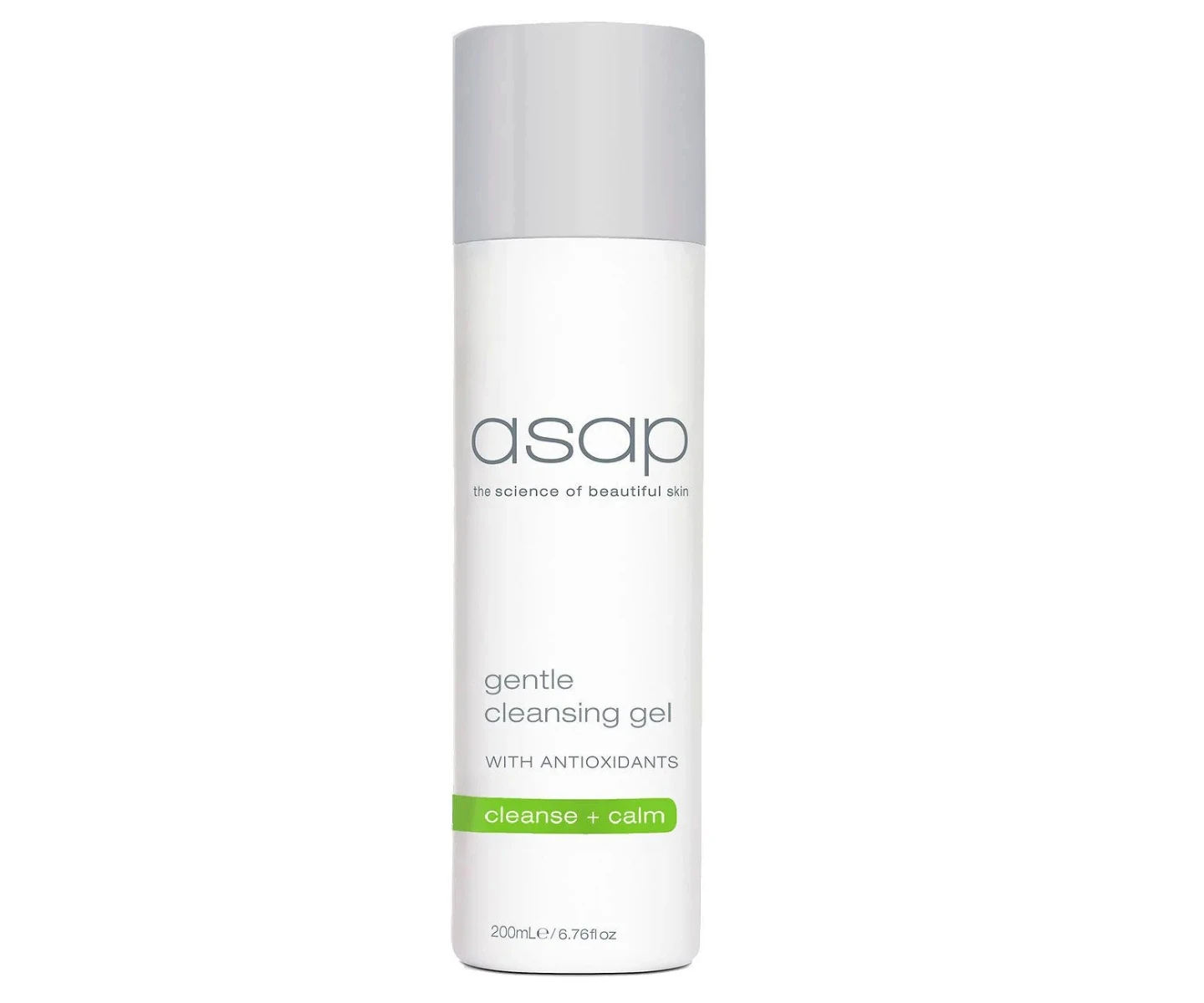
Start the morning on the right note and wipe the proverbial slate – in this case, your gorgeous face – clean.
“Start with a gentle cleanser to remove sweat, oil, and any overnight skincare residue. Clean skin allows the products that follow to absorb more effectively,” Dr Chahal says.
2. Exfoliant (if using)
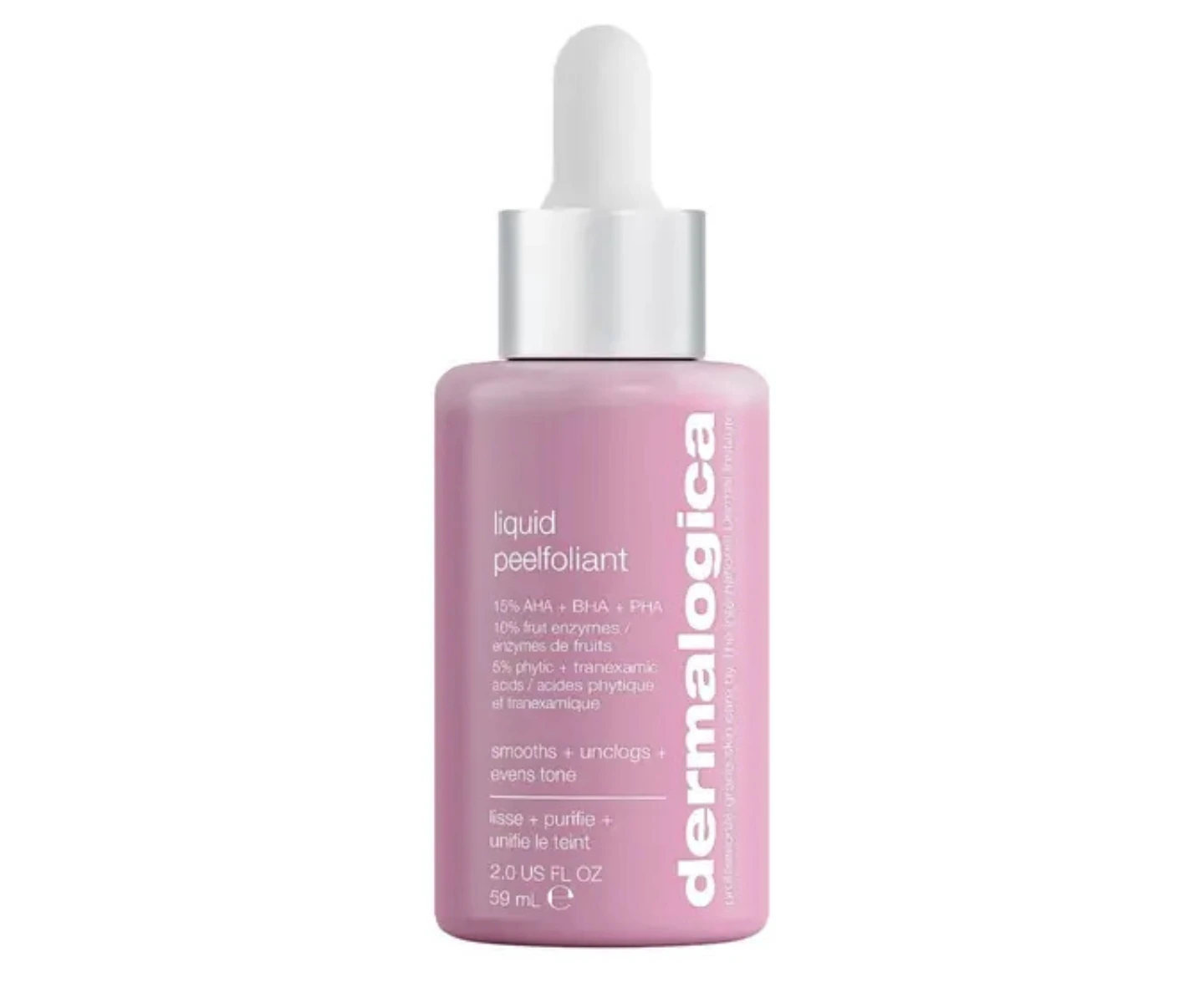
If you like to exfoliate in the morning, be sure to do it just after cleansing, Dr Chahal notes.
“Chemical exfoliants (such as AHAs or BHAs) or gentle physical exfoliants are best applied after cleansing. Most people only need to exfoliate 1-3 times per week rather than daily,” she says.
3. Toner
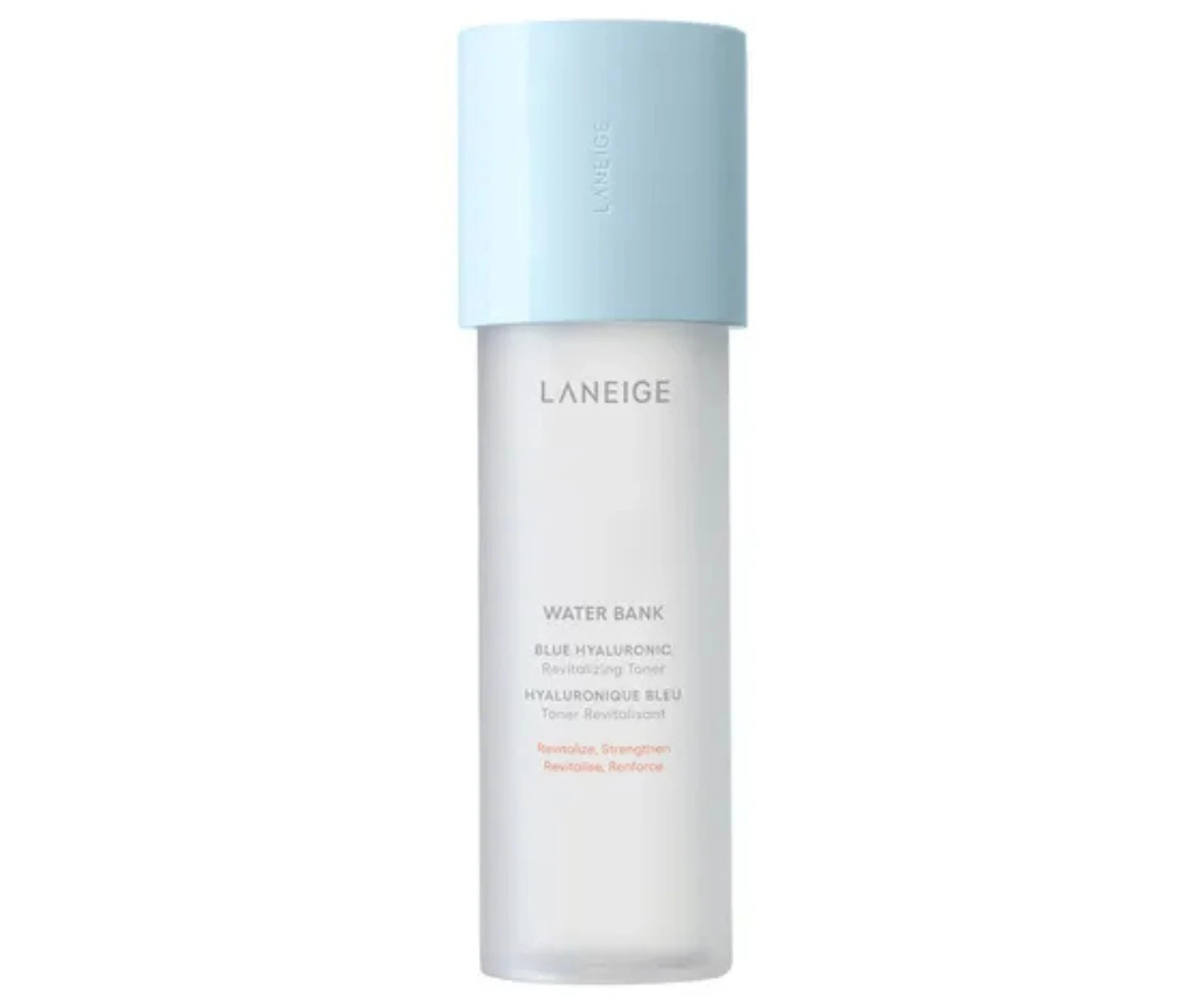
Got a toner as part of your AM skincare? It does its best work after cleansing and before any actives arrive on the scene.
“A toner can help remove any residual impurities and prepare the skin for subsequent products. Modern toners are often hydrating rather than astringent,” says Dr Chahal.
4. Essence
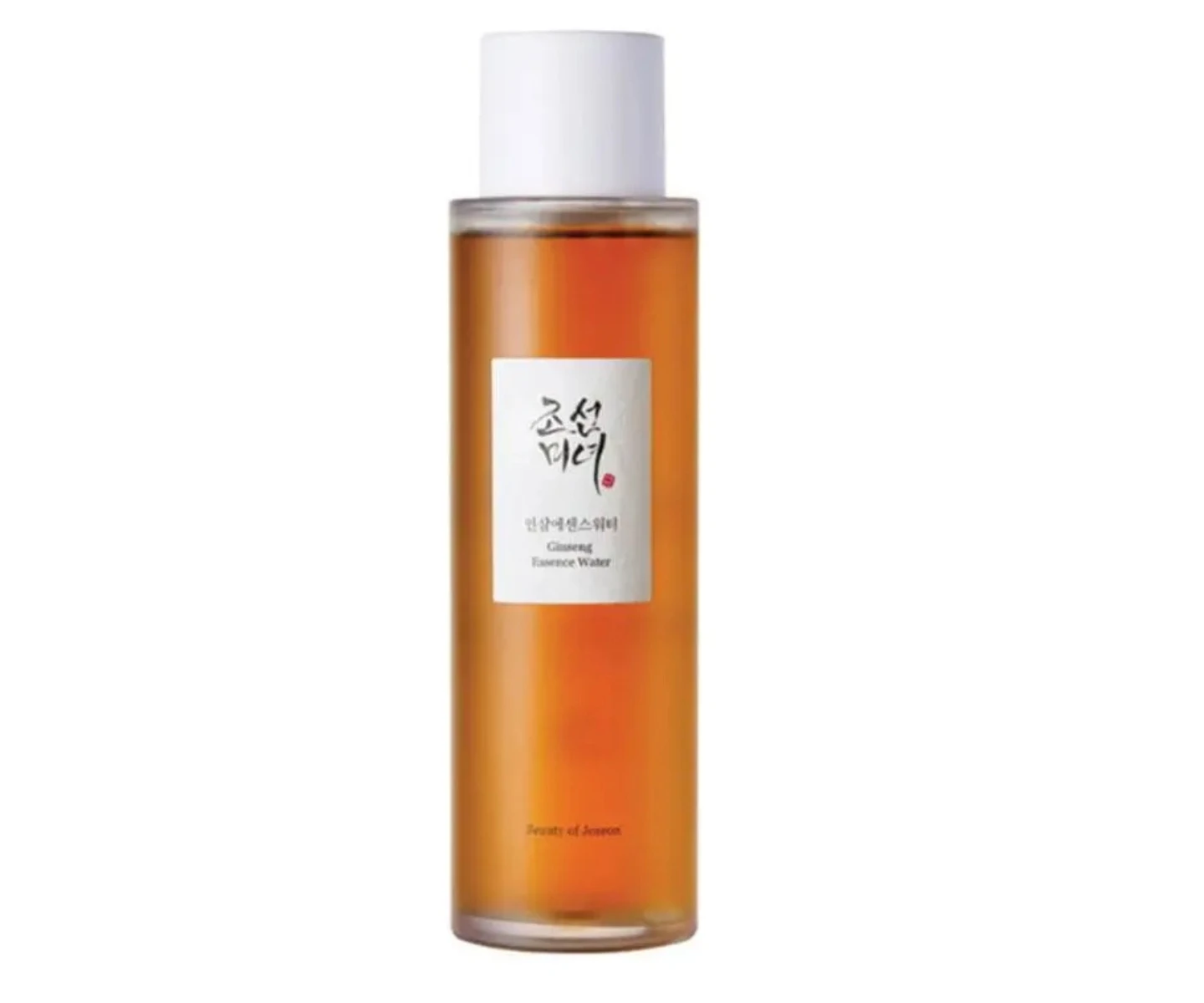
Particularly popular in K-Beauty, essences serve as a pre-treatment to deeply hydrate the skin and prime it for upcoming actives by increasing its permeability.
“Essences are lightweight, hydrating products designed to boost moisture and support absorption of the products that follow,” Dr Chahal adds.
5. Hyaluronic Acid Serum
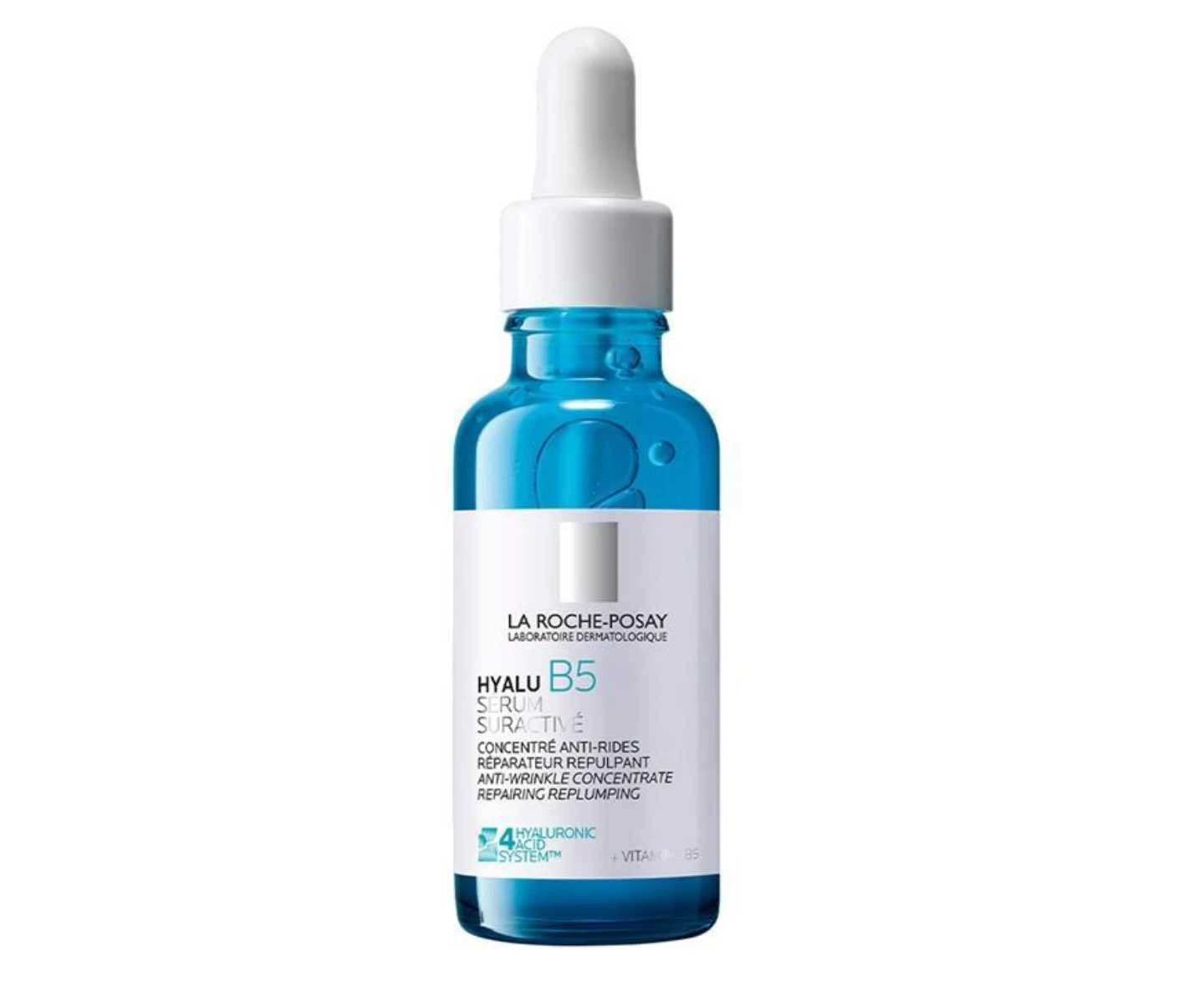
Hello, hydration! One of the most popular serums on the market for plumping up the visage, hyaluronic acid is perfectly placed after cleansing and prepping, and before your moisturiser.
“Hyaluronic acid is a humectant, meaning it attracts water to the skin. Apply to slightly damp skin and follow with a moisturiser to help lock in hydration,” Dr Chahal explains.
6. Vitamin C Serum
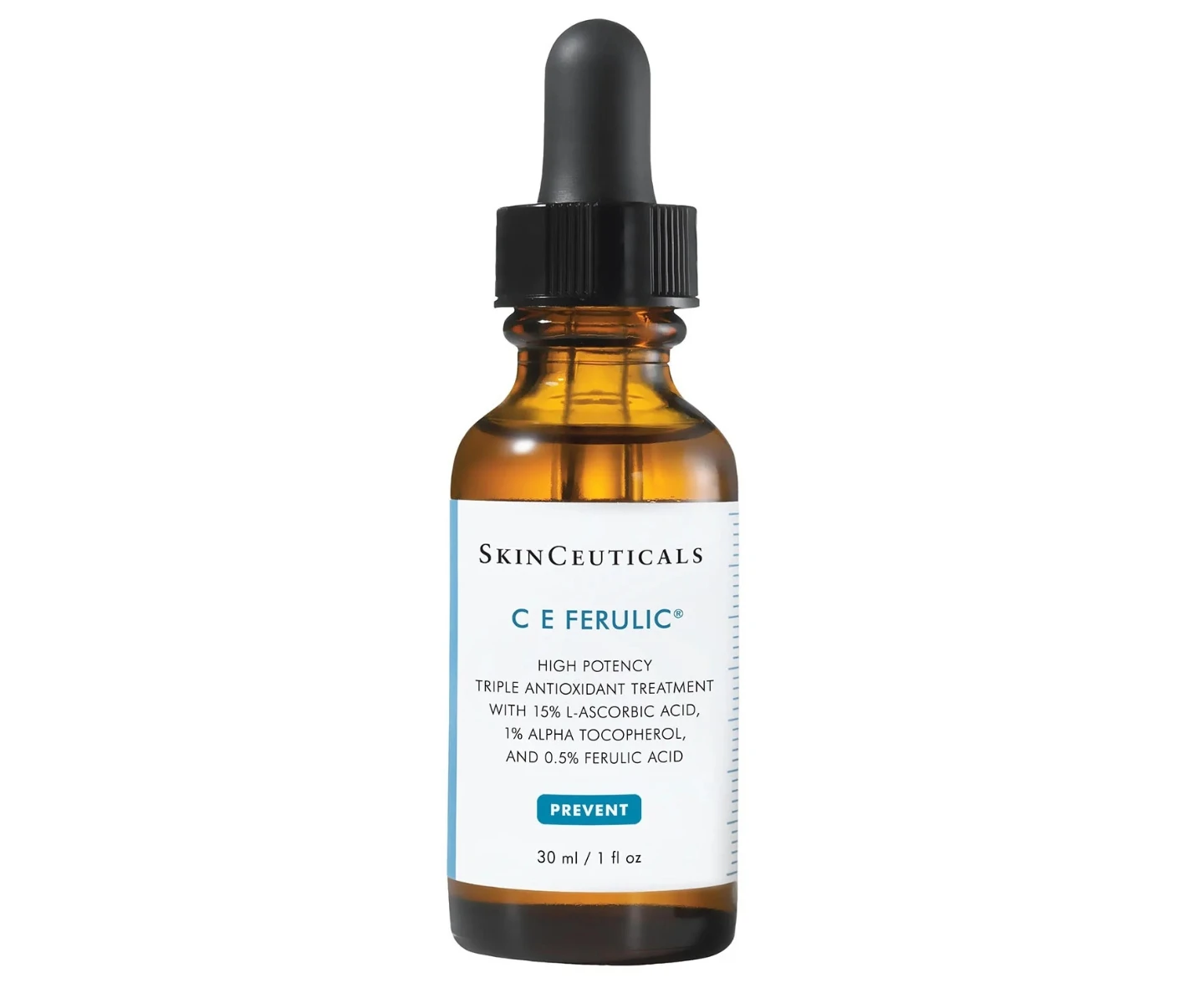
And now enters a superstar product whose praises have been sung from the mountaintops: the vitamin C serum.
“Vitamin C is commonly used in the morning due to its antioxidant properties, helping to protect the skin from environmental stressors. Apply before heavier serums, creams, and oils,” Dr Chahal explains.
Note: depending on the thickness of your hyaluronic acid and vitamin C serums respectively, you might want to swap these two around – but more on this later.
7. Other Water-Based Serums
“Water-based formulations are generally applied before richer, oil-based products,” says Dr Chahal.
8. Eye Cream
Now we get into the crèmes. First cab off the rank? Your eye cream (if you use one).
“Eye creams are typically lightweight and can be applied before heavier moisturisers. Gently pat around the orbital bone rather than rubbing,” Dr Chahal advises.
9. Spot Treatment
Tackling blemishes? This is the “spot” for your spot treatment.
“Targeted treatments for blemishes or pigmentation are usually applied directly to affected areas before moisturiser,” explains Dr Chahal.
10. Moisturiser
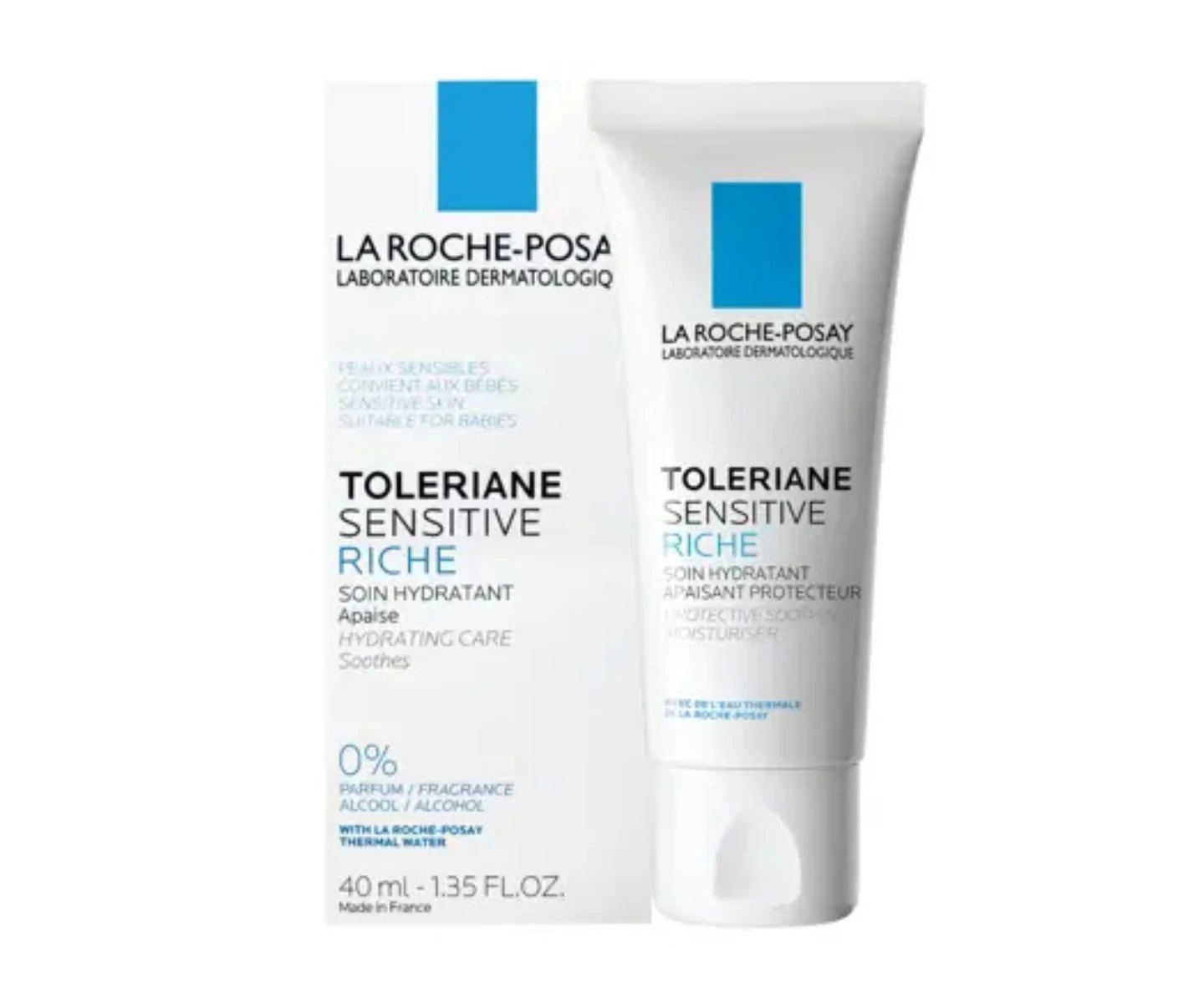
Moisturiser helps support the skin barrier and reduce water loss, emphasises Dr Chahal.
“They also help seal in the hydrating products applied earlier,” she adds.
11. Facial Oil
While there are some exceptions (more on this soon), facial oils are generally applied after moisturiser.
“[Facial oils] create a more occlusive layer that can help reduce moisture loss. They are often best suited to drier skin types,” says Dr Chahal.
12. Sunscreen
A non-negotiable: sunscreen should be the final skincare step every morning.
“Apply generously and allow it to set before makeup. Daily SPF is one of the most important steps in any skincare routine,” Dr Chahal notes.
13. Primer
And this is where your skincare ends and, if wearing, your maquillage begins!
“If wearing makeup, primer is typically applied after sunscreen has had a few minutes to settle. This helps create a smoother canvas for makeup application,” Dr Chahal says.
Optional:
Face Mask
“Face masks are usually used after cleansing and before the rest of your routine. The exact placement may vary depending on the type of mask and product instructions,” Dr Chahal says.
Cleansing Oil
“Cleansing oils are generally not required in a morning routine but may be used as a first cleanse if preferred,” she adds.
The Right Order to Apply Your Skincare – PM Routine
The sun has set, the day is done – and your nighttime skincare is ready to get to work.
While some of these products also feature in the AM routine, a few here are especially nocturnal and worth noting to maximise efficacy. And like the AM routine, you might not include all of these in your regimen (nor do you necessarily need to), but consider this the optimal order to reap the most out of your products while you’re getting your beauty sleep.
Read on for Dr Chahal’s recommended order for your PM skincare routine.
1. Makeup Remover

“If wearing makeup, begin by removing it thoroughly to prevent residue from interfering with cleansing and treatment products,” Dr Chahal says.
Like to double-cleanse? Let a cleansing oil be your opening act. “An oil cleanser helps dissolve sunscreen, makeup, and excess sebum. This is often the first step of a double-cleanse routine,” says Dr Chahal.
2. Cleansing Oil
Like to double-cleanse? Let a cleansing oil be your opening act.
“An oil cleanser helps dissolve sunscreen, makeup, and excess sebum. This is often the first step of a double-cleanse routine,” says Dr Chahal.
3. Cleanser
“Follow with a water-based cleanser to remove remaining impurities and leave the skin clean and prepared for treatment products,” she adds.
4. Exfoliant (if using)
Chemical exfoliants such as glycolic acid, lactic acid, or salicylic acid are typically applied after cleansing.
An important tip from Dr Chahal: “Avoid over-exfoliation and be cautious when combining with retinoids.”
5. Toner
Similar to your daytime routine, toners and essences typically go between your cleansing and actives.
“Hydrating toners can help replenish moisture and prepare the skin for subsequent active ingredients,” she says.
6. Essence
“An essence provides lightweight hydration and can support overall skin barrier function,” Dr Chahal notes.
7. Water-Based Serums
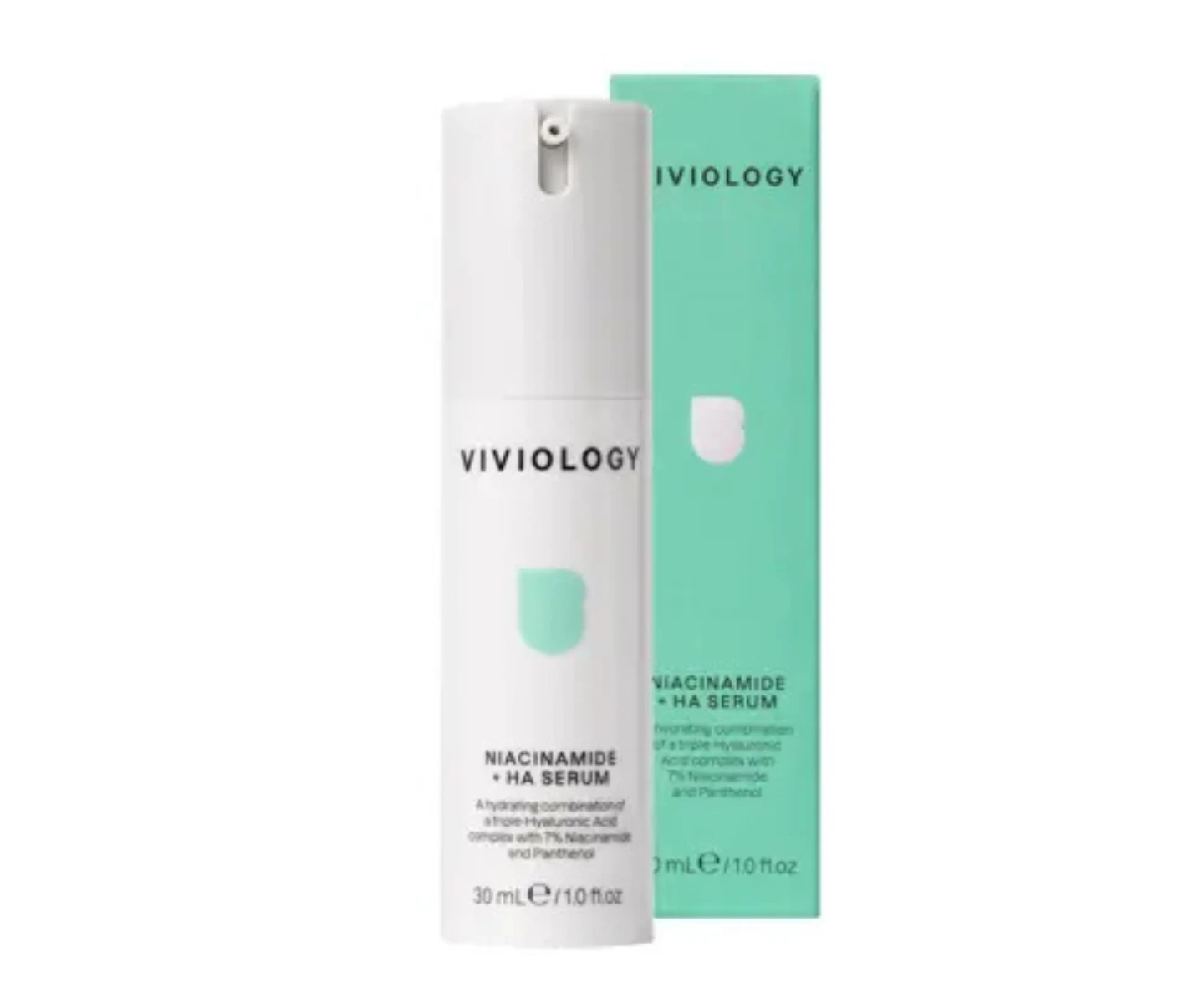
“This may include ingredients such as hyaluronic acid, niacinamide, peptides, or growth factors. Apply from the thinnest consistency to the thickest,” she continues.
8. Retinol, Retinal or Tretinoin
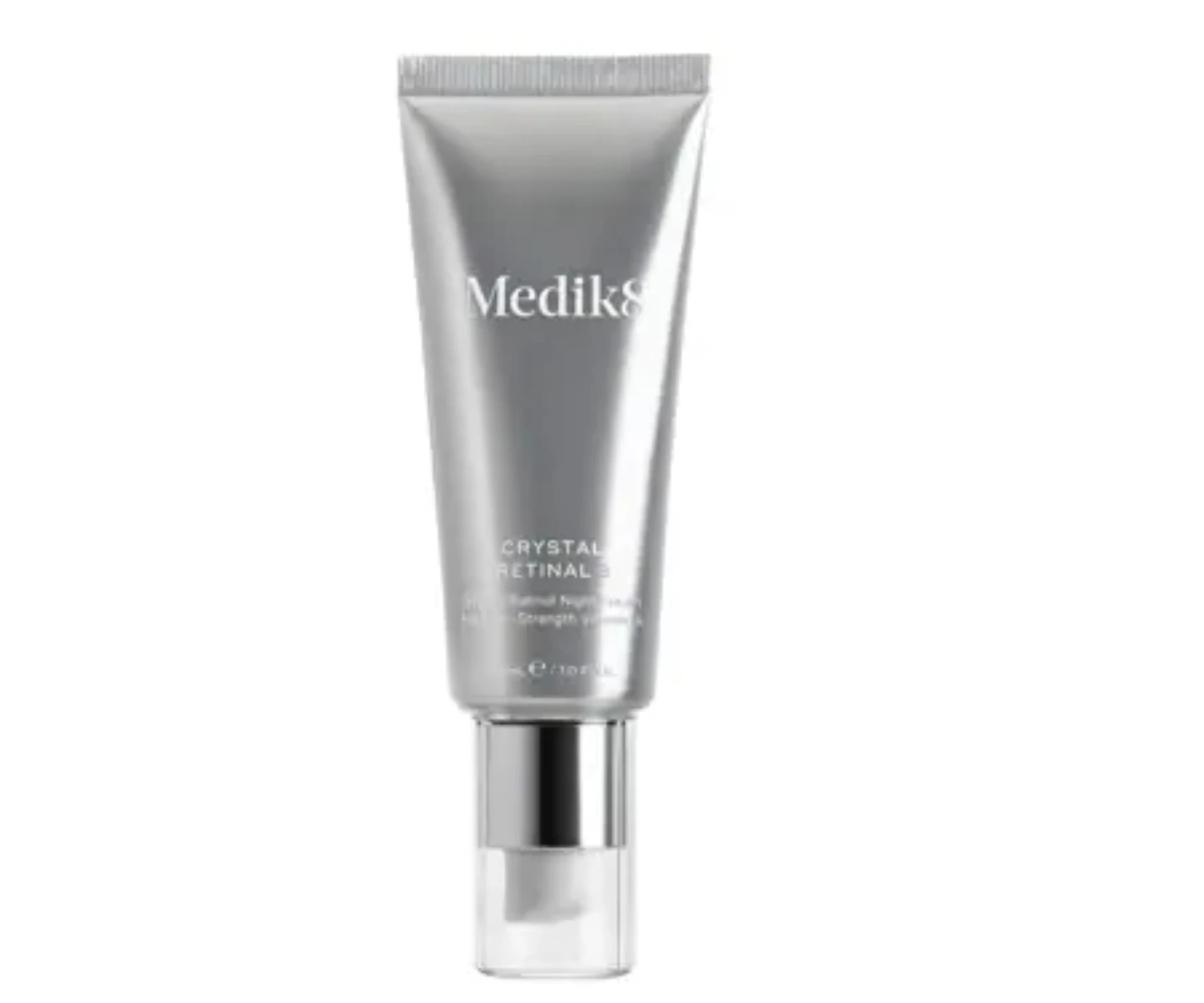
Now, here’s where we deviate from the daytime: retinoids.
Whether you’re using a retinol, retinal or a prescription Tretinoin, it’s best placed here (some exceptions apply, which we’ll get into soon). If you are skipping steps four through to seven, retinoids can also go right after cleansing on completely dry skin, provided your skin tolerates it well.
“Retinoids are generally applied to clean, dry skin in the evening,” Dr Chahal explains.
“If irritation occurs, some people benefit from applying moisturiser before and after the retinoid ("sandwich" method). Always follow product-specific instructions.”
9. Eye Cream
“Apply around the eye area after treatment products, unless otherwise directed by the manufacturer,” Dr Chahal says.
10. Spot Treatment
Per Dr Chahal, this is the ideal step at which to target active breakouts or specific concerns with a treatment product applied directly to the affected area.
11. Moisturiser
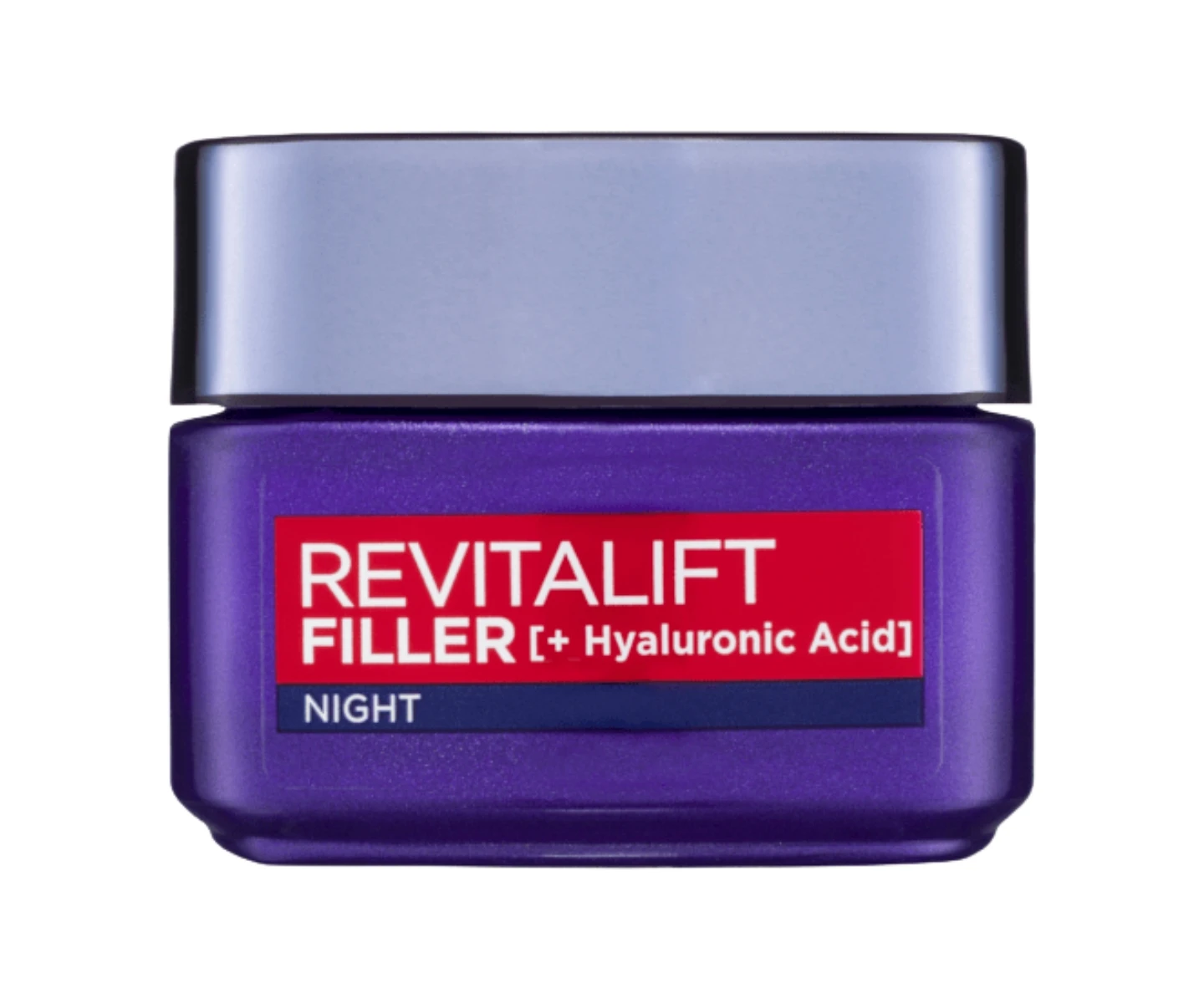
If you can afford to skip moisturiser during the day, try to make sure you use one that suits your skin at night to keep it hydrated while you sleep, and also act as a buffer for any active ingredients you might be using in your routine.
“A moisturiser helps support the skin barrier and can reduce potential irritation from active ingredients such as retinoids and exfoliating acids,” says Dr Chahal.
12. Facial Oil
Lastly, as they are in the morning, facial oils are typically the final step in an evening routine.
“[Oils] help to seal in moisture and reduce transepidermal water loss overnight,” Dr Chahal adds.
Optional
Face Mask
Masks are usually used after cleansing and before treatment products. Follow the directions provided, as placement can vary depending on the mask type.
When in doubt, are there any general skincare rules to follow
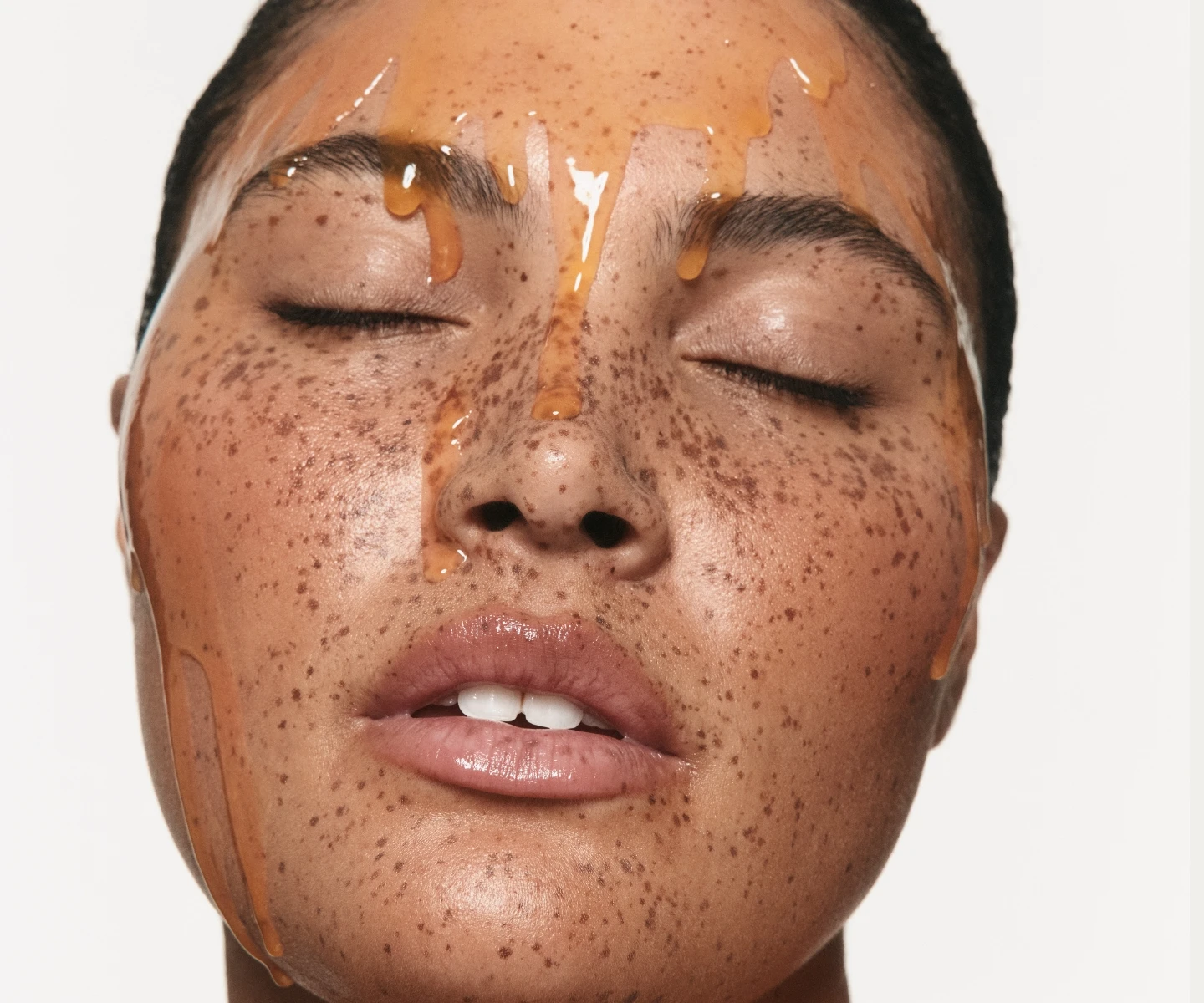
Remember those cute little caveats I touched on earlier? Let’s get into them. While the above steps are a solid guide for most AM and PM routines, there are a few rules that can help determine if you need to do a little switcheroo in some cases.
According to Dr Chahal, it’s worth keeping the following in mind when it comes to the order of your skincare.
Follow the "thinnest to thickest" rule
“Apply products from the lightest consistency to the heaviest. This generally means watery products first, followed by serums, creams, and finally oils,” she explains.
Occasionally, this could mean your facial oil (depending on the type of oil you’re working with) could go before your moisturiser (also depending on your moisturiser).
Per Dr Chahal, this comes down to understanding the difference between humectants, emollients and occlusives. Behold, in order of application:
- Humectants (e.g. hyaluronic acid, glycerin) attract water to the skin.
- Emollients (e.g. ceramides, fatty acids, some oils) soften and smooth the skin.
- Occlusives (e.g. petrolatum, some oils) help reduce water loss by creating a protective barrier.
This is why hydrating serums are usually applied before moisturisers and facial oils.
More is not always better
Using too many active ingredients at once can increase the risk of irritation.
“Introduce new products gradually and monitor how your skin responds,” Dr Chahal advises.
Sunscreen is non-negotiable
We said it before, we’ll say it again: sunscreen is a must. Not just to protect your skin from daily sun exposure, but to actually support a lot of the hard work your skincare is doing.
“Many active ingredients, including retinoids and exfoliating acids, can increase sun sensitivity. Daily sunscreen use is essential for maintaining skin health and protecting results,” Dr Chahal tells BeautyIQ.
Give products a moment to settle
Most products do not require long waiting periods, but Dr Chahal recommends waiting at least 30-60 seconds between layers can improve comfort and minimise pilling, particularly when layering multiple serums.
Step up your skincare game by reading these next: