The Duct-Tape Of Skincare; Here's Why Hypochlorous Acid Mists Are Going Viral

Francesca is the Beauty Editor at Adore Beauty. With a background in glossy mags and bylines in publications like Marie Claire, ELLE and BODY+SOUL, Francesca has turned her love of beauty into a career. Whether she's decoding buzzy ingredients or road testing lip glosses (so. many. glosses.), her approach to beauty is equal parts glamour and highly-considered.
Top Insights From This Guide
- Apply hypochlorous acid mist after cleansing to calm skin and prep actives
- Use it on breakouts, sunburn or post-procedure to speed healing and reduce bacteria
- Suitable for sensitive, eczema or rosacea-prone skin; non-toxic and pH balanced
- Safe to use post-sweat or daily without stripping skin; pairs with retinoids and acids
When an ingredient is regularly referred to as the 'duct-tape' or 'band-aid' of skincare - you know it's going to be good.
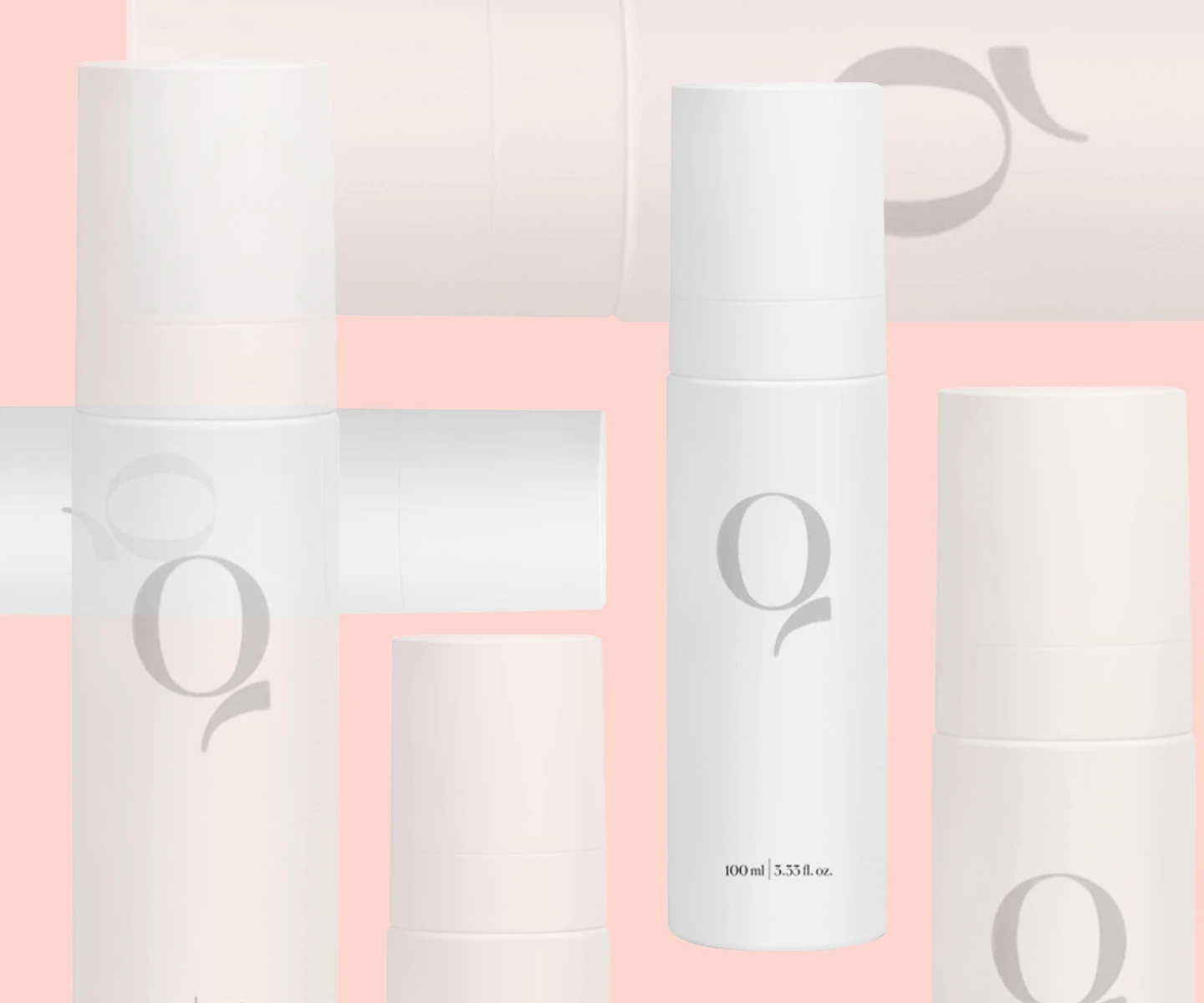
Hypochlorous Acid (and Qure Skincare's viral Dermal Mist) is known as a fix-all spray that calms, heals and protects.
“Think of it as your skin’s reset button,” says Qure skincare founder Kristina Orlić. The brand is known for their science-led skincare technology. “It’s one of the most underrated but powerful ingredients in skincare. It’s gentle, fast-acting, and incredibly versatile.”
Here’s what you need to know about hypochlorous acid and how to use it effectively in your routine.
What Is Hypochlorous Acid in Skincare?
Hypochlorous acid is a naturally occurring molecule your body already produces as part of its immune response. It’s made by white blood cells to help kill bacteria, reduce inflammation, and speed up the healing process.
“In skincare, we’re basically bottling your body’s built-in defence system,” explains Orlić. “It mimics the way your immune system responds to damage or infection, but in a very gentle, topical form.”
Despite its potent action against bacteria and irritation, it's incredibly skin-friendly. It’s non-toxic, pH balanced, and safe for even the most reactive skin types. “It’s not about stripping or attacking the skin, it’s about restoring balance.”
What Are the Benefits of Hypochlorous Acid for Skin?
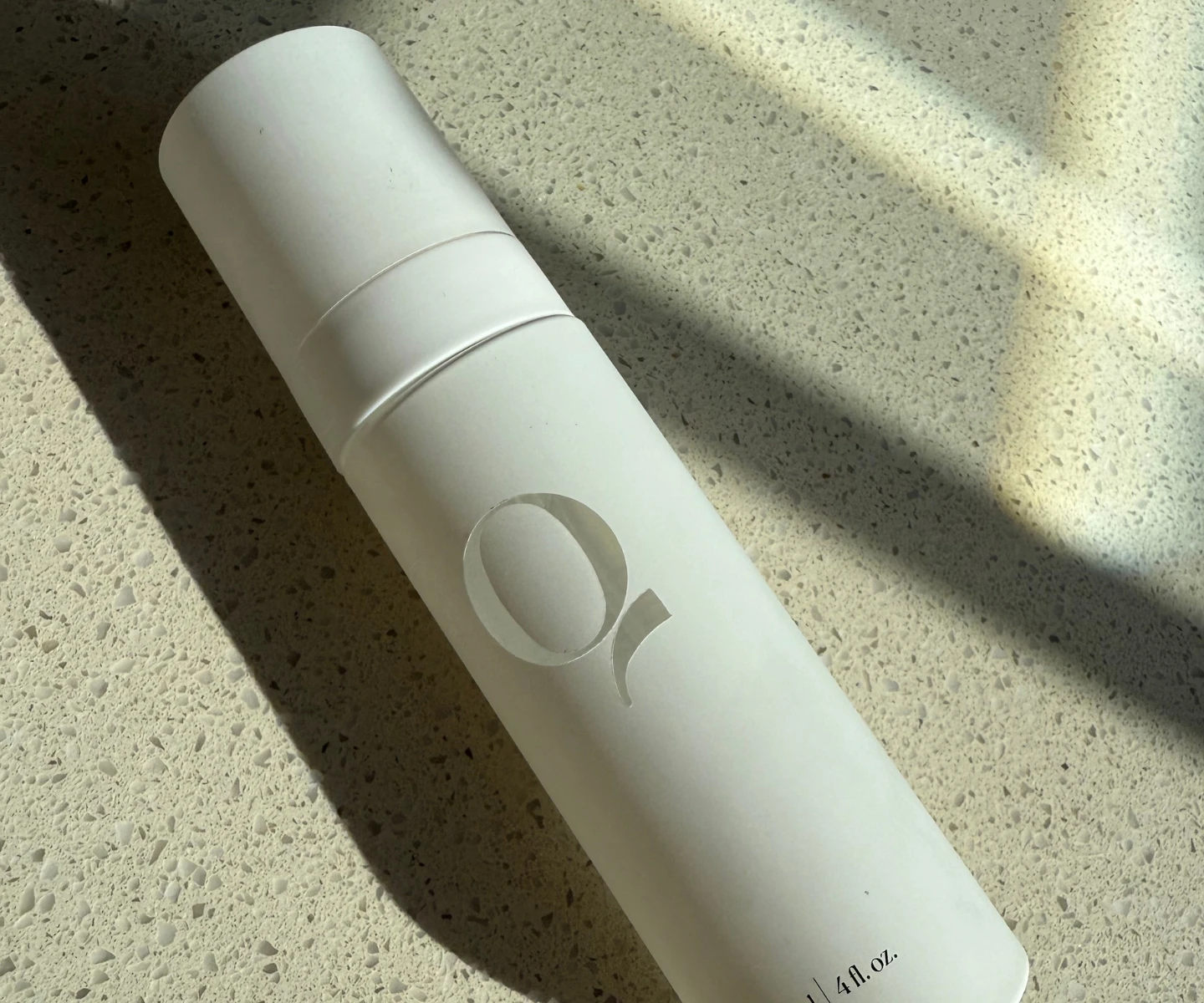
What: Qure Dermal Mist
Hypochlorous acid works like a multi-tasking treatment step that your skin didn’t know it needed—until now.
Some of its standout benefits include:
- Soothing inflammation: It calms redness, itching and sensitivity almost instantly
- Eliminating bacteria: It targets acne-causing bacteria without disrupting the skin barrier
- Accelerating healing: Speeds up recovery after breakouts, sunburn, or in-office treatments
- Reinforcing the skin barrier: Helps maintain healthy skin flora and supports a resilient skin barrier
“It’s essentially like a first-aid spray for your face,” says the Orlić. “Whether you’re dealing with an angry breakout or post-procedure redness, hypochlorous acid works to calm and repair. It’s fast, but also really nurturing.”
What makes it so unique is that it works on everything; blemishes, cuts, inflammation, even chronic conditions like eczema or rosacea flare-ups. “It’s a staple in our post-treatment protocols for that exact reason. You see a visible difference in skin’s calmness and clarity within days.”
How to Use Hypochlorous Acid in Your Routine
One of hypochlorous acid’s biggest strengths? It’s ridiculously easy to use. Most often found in mist or spray form, it fits effortlessly into your routine.
“The best time to use it is after cleansing,” suggests Orlić. “It sets the tone for the rest of your routine, especially if you’re using active ingredients. It calms the skin down, helps reduce lingering bacteria, and prepares your skin to better absorb whatever comes next.”
The formula is also for post-sweat or post-sun to calm irritation or after cosmetic procedures (like LED masks, micro-needling, or peels) to kickstart healing.
“You don’t have to worry about overuse,” the Orlić reassures. “It won’t strip the skin or interfere with actives. If anything, it helps create a better environment for your skin to thrive.”
Who Should Use Hypochlorous Acid?
While it may sound clinical, but it’s one of the most inclusive skincare ingredients around. It works across ages, skin types, and concerns.
“Everyone can benefit from hypochlorous acid, but especially those dealing with compromised skin,” says Orlić. “If you’re acne-prone, sensitised, post-treatment or dealing with inflammation, this should be part of your routine.”
It’s especially well-suited to:
- Acne-prone or congested skin
- Skin with barrier damage or irritation
- Eczema or rosacea flare-ups
- Sensitive skin types
- Skin recovering from in-clinic treatments or peels
“It also plays well with actives like retinoids or acids,” Orlić . “Instead of competing with your routine, it enhances it by keeping your skin calm and supported.”
Curious about other powerhouse skincare at Adore? Check out these BIQs: