How I Recovered From An Accidental Mohawk Mishap

Meike Hasenbosch is Adore Beauty's Senior Category Manager for Hair, Makeup & Fragrance.
An accidental scalp bleach left Meike with a 2cm centre mohawk, but she rebuilt her blonde lob to healthy strength and reached 16cm top length by combining salon Olaplex No.1 and No.2, weekly Olaplex No.3 at home, Apotecari supplements and targeted masks. The piece shows the salon steps, at-home routine and styling rules she followed.
What You Need to Know
- Book a colour specialist to avoid scalp-bleach overlap and further breakage
- Use Olaplex No.1 and No.2 in-salon and Olaplex No.3 weekly at home to rebuild bonds
- Add Apotecari Mane Event and Hair Food; expect 2cm growth every 4 to 5 weeks
- Set styling irons to 150 degrees for damaged fine hair and finish with Olaplex No.6 or No.7
This first‑hand recovery is a practical roadmap: what to ask your colourist, the exact salon and at‑home bond treatments to use, the supplements and masks that sped growth, and the styling limits to adopt so you can restore strength and avoid repeat damage.
About 10 months ago, I was sitting happily at my usual hairdresser's, completely unaware of what was about to happen to my perfect blonde lob during a colour refresh.
What happened next has haunted me ever since: my hair snapped.
And I do not mean a little breakage at the ends.
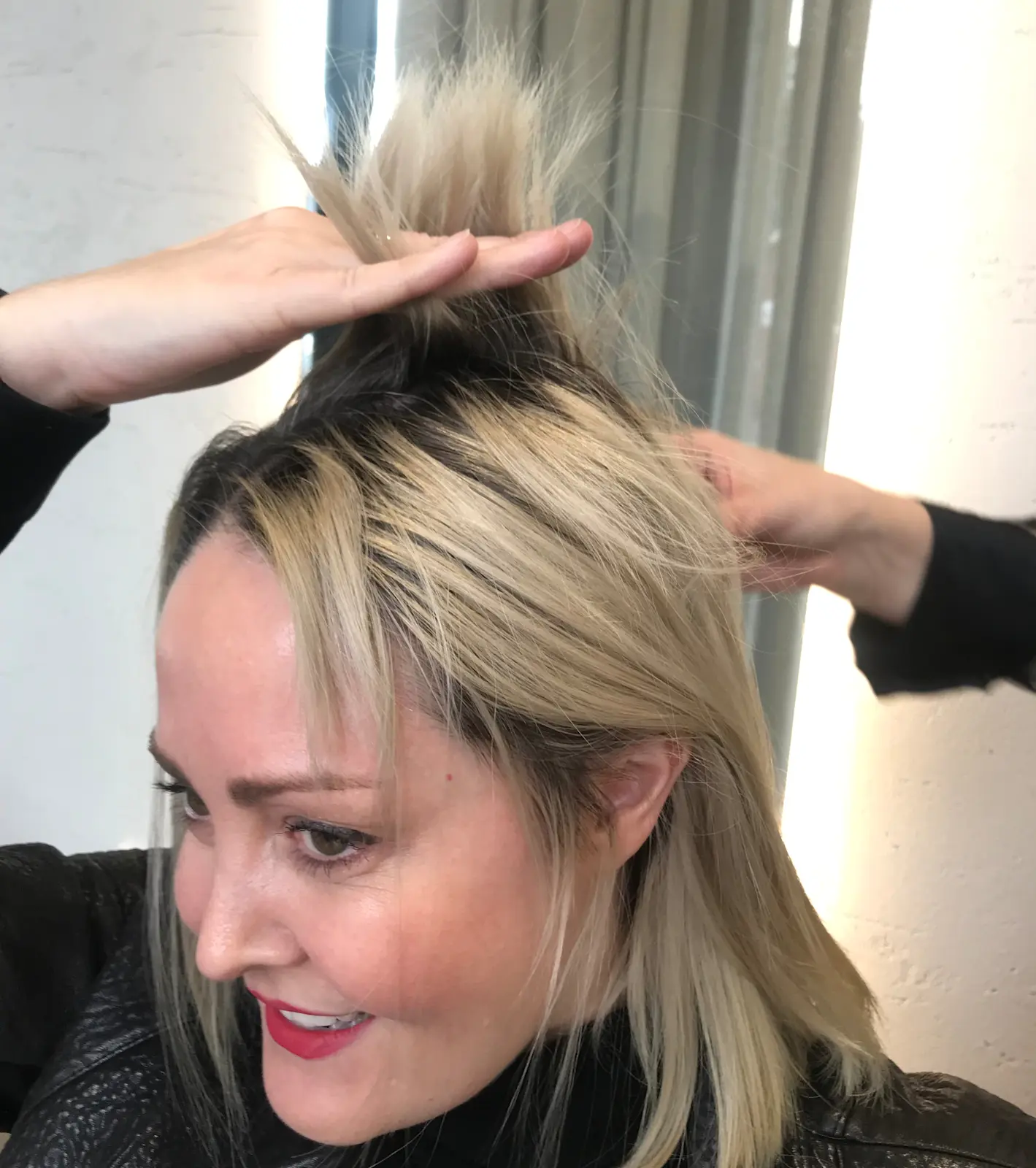
I mean I was left sporting an 80s mohawk, complete with a 2cm spike running down my centre part.
So no, there was not really any disguising this little, or rather major, mishap, but luckily, I am a haircare buyer, and I have my ways.
I immediately switched to a side part and brought in some heavy-duty styling products to try to tame the mohawk.
To say I was mortified would be an understatement. The photo below was taken in July, so just imagine how short it was back in February.
How Does Bleach Cause Breakage?
Scalp bleaching is a high-risk intense colour process that must be handled with precision and care, and is used to achieve a high impact blonde (think Lady Gaga circa 2010, or Christina Aguilera circa 2001).
If the hairdresser overlaps the product, or the product swells with the heat from your head mixed with oxygen and touches the previously lightened hair, it can cause damage and/or breakage. But, I can't blame my hairdresser - I hadn't used my Olaplex No. 3 for 2 months.
They'd warned me to do this at-home treatment every week to maintain hair strength throughout my lightening process to reduce the risk of damage and breakage. Take it from me - listen to your hairdresser's advice, I had to learn the hard way.
How Did I Grow My Hair Back?
I started by rotating in any product that promised to help strengthen and repair my hair (including reintroducing Olaplex No.3). By the end of April, I'd also started taking Apotecari's Mane Event hair growth *supplement, and then from June added the Hair Food powder which boosts hair strength and scalp health. To my delight, my hair started growing 2cm every 4 to 5 weeks instead of 1cm.
I then found myself in a meeting with the Olaplex team. After they saw the state of my hair (which I was hiding with a Trump-like comb-over), they asked if I needed professional help. Obviously, I obliged. That's when I was introduced to my hair best friend, Chantelle from Telleish Hair Studio.
On the 18th of July, I started my new hair journey with 8cm of mohawk growth. Chantelle immediately put me at ease, assessing the damage and giving me options that allowed me to stay blonde, but without the risk of another scalp bleach. We went ahead with 3/4 head of foils, with Olaplex No.1 and No.2 in-salon treatments, and only my side part had a toner to limit any further damage. The integrity of my hair came first. See the whole process below.
What Happened Next?
Now for my at-home care (aka, the most important part). Chantelle gave me a strict at-home haircare prescription to repair, strengthen, hydrate and tone my recovering tresses. I was also told to lower the heat when using my Cloud Nine Original Iron to 150 degrees. This is the maximum recommended temperature for damaged and fine hair.
evo the great hydrator moisture mask
In addition to using my No.3 Treatment, I also relied on using this intensely hydrating moisture mask once a week. It deeply conditions, adds moisture, enhances shine, reduces frizz and greatly improves hair manageability. It's designed specifically to improve the condition of colour damaged, dry, coarse, frizzy hair.

To keep my blonde looking fresh, I used Fabuloso once a fortnight or whenever required. It's a purple toning conditioner that also hydrates and softens, while neutralising brassiness and preventing fading to amplify your platinum blonde shade.
Your hairdresser can also add the professional strength Fabulouso into your Olaplex No.3 to reduce time in applying treatments at home.

Olaplex No.6 Bond Smoother
When styling, I use Olaplex No.6 to finish, and when I needed, Olaplex No.7 for extra shine and protection. No.6 is a leave-in reparative styling creme, suitable for all hair types. It strengthens, hydrates, protects and fights frizz. It also acts as a heat protectant and contains Olaplex's re-bonding active ingredient.

The Progress:
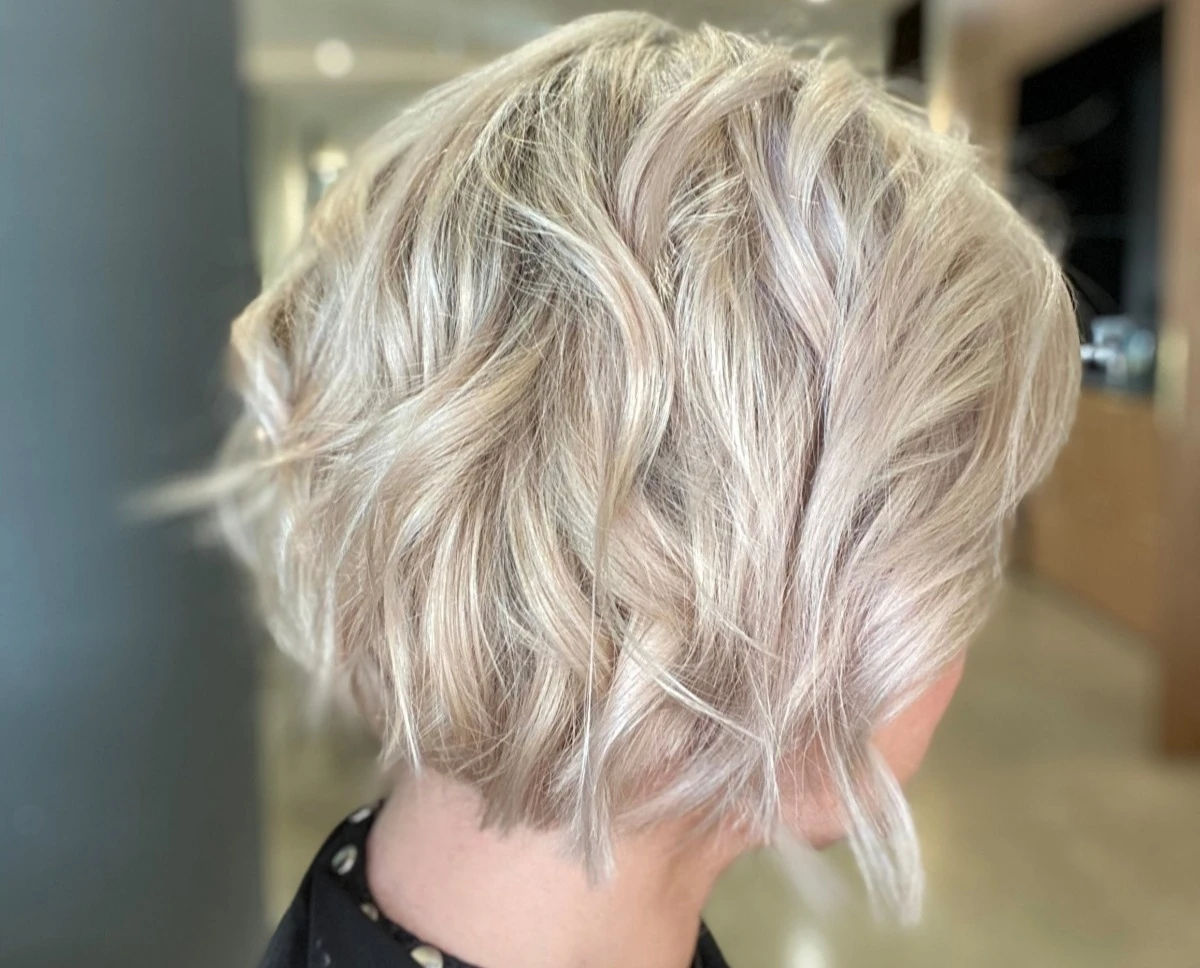
By October, at my third colour appointment at Telleish, the top section of hair had grown to 16cm and my hair felt strong again, and looked a hell of a lot healthier. The shorter pieces have now started to blend in and look more like deliberate layers as opposed to a mohawk.
The best advice I can give you is:
a) see a colour specialist if you're considering lightening your hair
b) use Olaplex during the lightening process, and as part of your at-home haircare routine
c) support your hair growth and strength with supplements like Apotecari.
Finally, a few important things to know about hair supplements:
- Always consult your doctor before starting any new supplement, especially if you’re pregnant, breastfeeding, or have recently had surgery or been in an accident.
- Take your supplements as directed - exceeding the recommended dosage won't get you results faster, but it will cost you more money.
- If you're concerned about hair loss, chat to your health professional for personalised expert advice, because no two heads of hair are the same.